WAVE installs wireless charging system for Ore. transit operation
The system will wirelessly charge two remanufactured Zero Emission Propulsion System buses from Complete Coach Works, with an additional two vehicles being added later this year.
by Staff
June 8, 2020
2 min to read
Wireless Advanced Vehicle Electrification (WAVE) installed a wireless charging system at Josephine Community Transit’s (Josephine) maintenance depot in Grants Pass, Ore. The system will wirelessly charge two remanufactured Zero Emission Propulsion System (ZEPS) buses from Complete Coach Works, with an additional two vehicles being added later this year.
As states across the U.S. continue to mandate more sustainable regulations on transportation, operators seek cost-effective methods to reduce investment and operation costs to acquire cleaner modes of transportation. Smart charging solutions are a viable economic option to consider with electric mobility.
Ad Loading...
Traditionally, electric vehicles return to a maintenance depot for overnight parking where they are charged by overhead infrastructure or plug-in chargers and placed back into operation the next day. These chargers require frequent maintenance and space for electrical equipment.
The WAVE system offers a more aesthetically pleasing option for a transit agency or fleet operator and takes up much less space than plug-in or overhead chargers. The system consists of a charging pad conveniently embedded in the pavement and transfers power through the air to a receiving pad mounted on the vehicle's undercarriage. Its inductive power transfer eliminates the hassle of cords or overhead infrastructure. The system requires no cables or connectors and has no moving parts, substantially reducing maintenance requirements both on-and-off the bus.
“Offering the WAVE system at a maintenance garage, in addition to its typical en route use, is a unique opportunity to work collaboratively with Josephine and advance the industry,” stated Michael Masquelier, WAVE’s CEO.
Josephine embarks on a modernization journey with WAVE who remains at the forefront of the wireless technology industry. Josephine is one of only four agencies in Oregon deploying 100% electric vehicles into transit service and will continue to use WAVE inductive charging at its maintenance depot.
CALSTART’s latest Zeroing in on ZEBs report shows continued nationwide growth despite supply-chain challenges. The group’s Deputy Director of Transit, Mike Hynes, talked to METRO about how agencies are adapting procurement strategies, fleet plans, and more.
Even amid shifts in federal funding, California continues to advance its zero-emission agenda, enforcing and funding its regulatory framework despite federal obstacles.
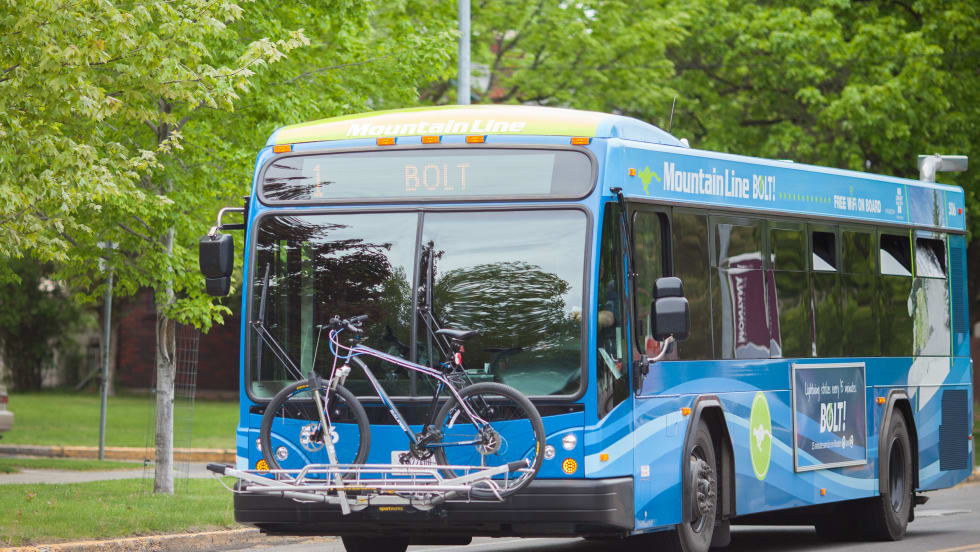
Mountain Line selected BetterFleet’s charge-management and fleet-operations platform to support its nearly all-electric bus fleet and future electrification plans.
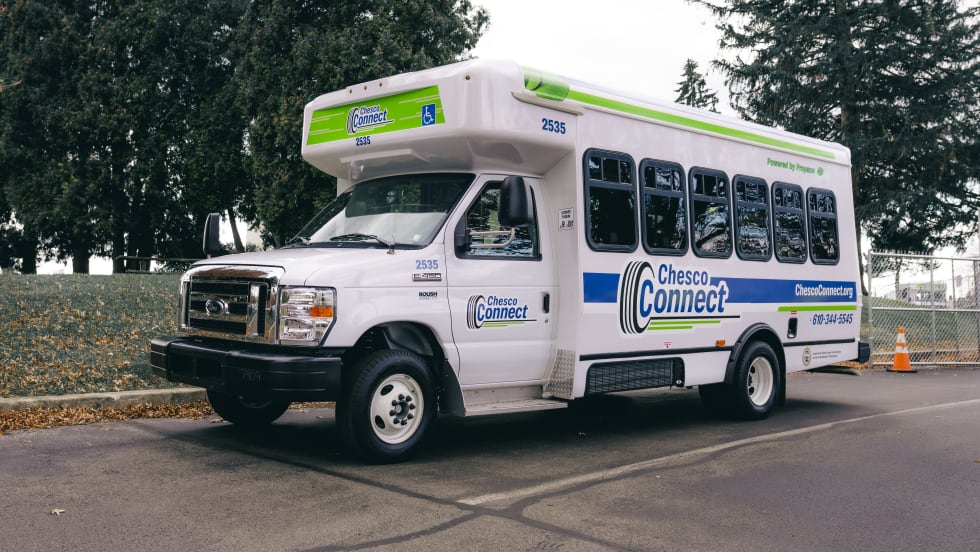
See how the county’s Chesco Connect system is replacing its buses with propane autogas to cut costs, reduce emissions, and support high-demand paratransit operations.
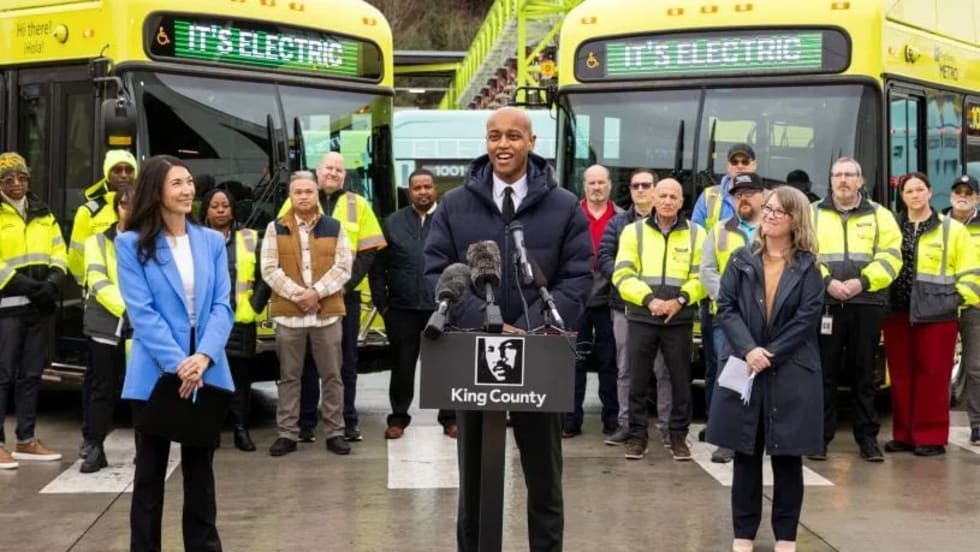
Rolling out in electric yellow and seafoam blue, the first battery-electric buses purchased from GILLIG will begin serving riders in south King County on February 2.
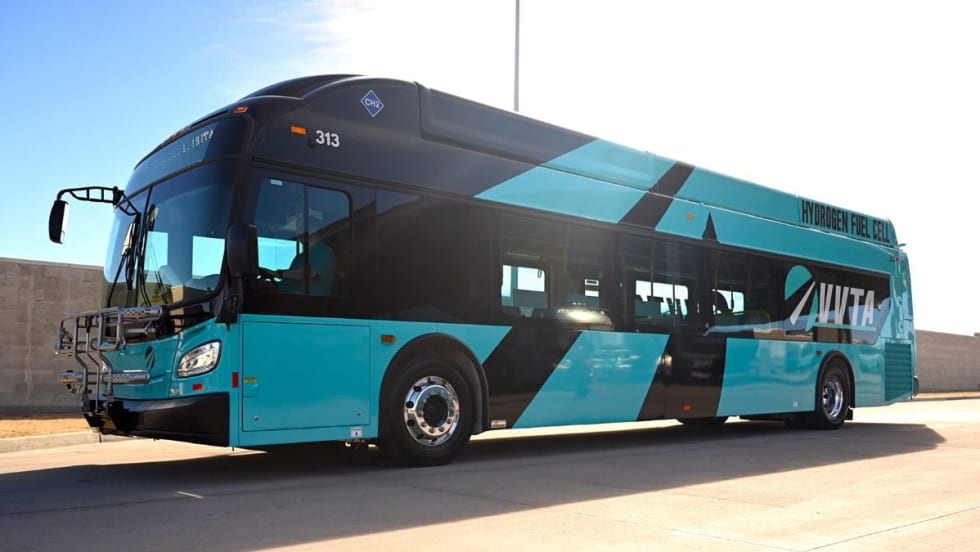
The introduction of hydrogen fuel cell buses represents a significant step forward in reducing emissions while maintaining reliable, high-quality transit service.
The transition marks a significant step in RABA’s continued commitment to sustainability, cleaner air, and responsible environmental stewardship in Shasta County.