



Chicago becomes largest U.S. city to commit to 100% clean energy
The resolution also calls for complete electrification of Chicago Transit Authority’s bus fleet by 2040.

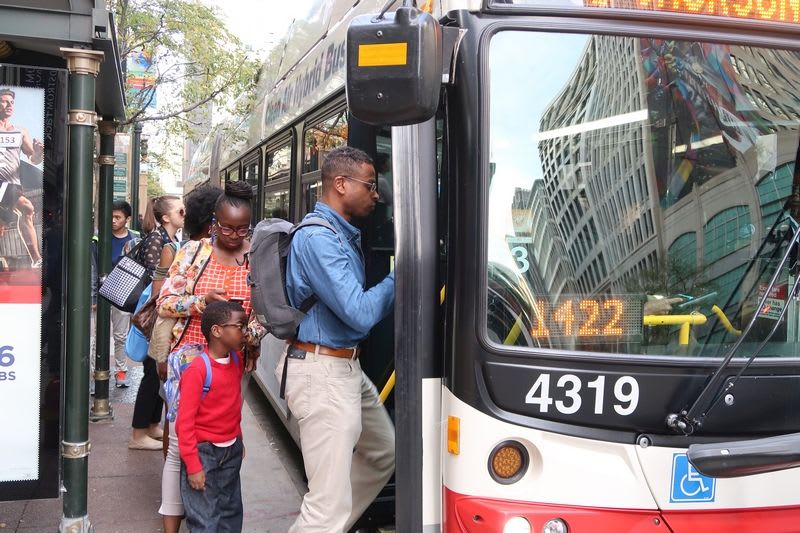
A new Chicago resolution, which calls for transitioning the entire city to 100% clean, renewable energy use by 2035, would also calls for complete electrification of Chicago Transit Authority’s bus fleet by 2040.
Active Transportation Alliance

The Chicago City Council unanimously voted to establish the goal of transitioning the entire city to 100% clean, renewable energy, like wind and solar, by 2035. Chicago becomes the largest city in the country to make this commitment, following cities like St. Louis, Madison, Atlanta, and San Francisco.
The city’s resolution was championed by the Ready For 100 Chicago Collective, a coalition consisting of several community- and state-based organizations, including Sierra Club Illinois Chapter, Chicago Youth Alliance for Climate Action, People for Community Recovery, Respiratory Health Association, The Climate Reality Project Chicago Chapter, SEIU Local 1, Citizens Utility Board, and other environmental, education, youth, labor, and justice groups across Chicago.
The recently introduced Illinois Clean Energy Jobs Act aims to move the entire state to 100% clean energy by 2050. By adopting its goal today, Chicago provides a state and national model for other communities looking to transition away from fossil fuels.
The resolution also calls for complete electrification of CTA’s bus fleet by 2040. It directs the Mayor’s Office Sustainability Team, in partnership with the Ready for 100 Chicago Collective and other community groups and stakeholders, to develop a community-wide transition plan by December 2020 for achieving 100% renewable electricity.
Chicago joins 118 other cities across the U.S. already committed to an equitable transition to 100 percent clean, renewable energy community-wide, including Evanston in Illinois.
"Joining 118 other cities, Chicago stands in support of developing an energy system that seeks to fortify our city’s infrastructure, reduce disproportionate exposure to pollution and environmental toxins, and enable access to clean power for all residents," said Kyra Woods, Chicago organizer with the Sierra Club’s Ready for 100 Action Campaign.
More Management
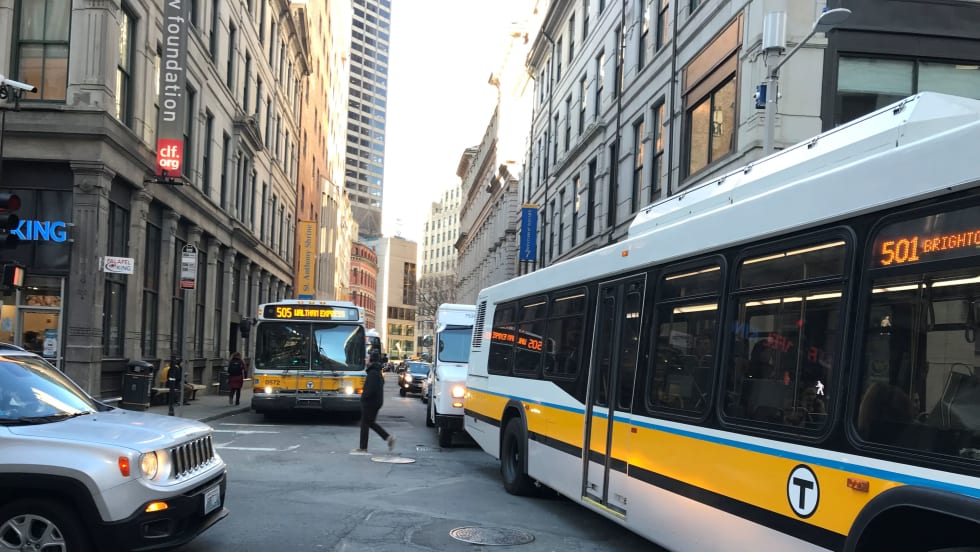
MBTA Rolls Out Pilot Programs to Cut Costs, Simplify Travel
Three new fare pilots — including unlimited two-hour transfers, reduced express bus fares, and free transit for eligible seniors — will launch this fall as Massachusetts extends popular commuter rail discounts through November.
Read More →
FTA Opens $610 Million Funding Opportunity for Bus Infrastructure Projects
The latest Notice of Funding Opportunity provides transit agencies with funding for bus facilities, fleet modernization, and low- and no-emission vehicles, with applications due September 21.
Read More →
Biz Briefs: STV teams with Amtrak, Motorcoach Operators Boost Fleet and Land Contracts, and More
From manufacturers and suppliers to transit agencies and motorcoach operators, these updates offer a snapshot of the projects, partnerships and business moves driving the industry forward.
Read More →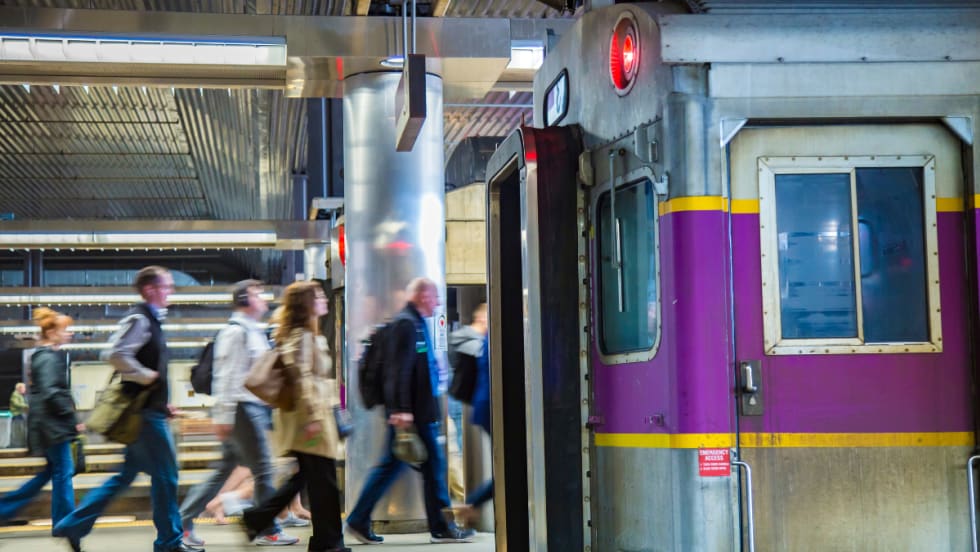
Massachusetts Approves $530M to Strengthen MBTA Operations, Infrastructure
The funding package targets operating stability, capital improvements, and fare affordability, offering a model for agencies navigating long-term funding challenges.
Read More →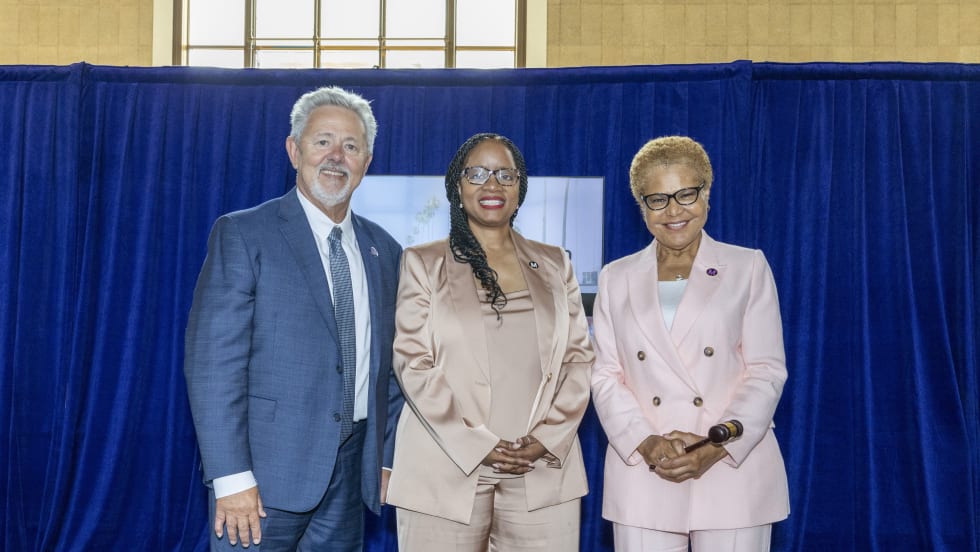
LA Metro Marks Banner Year, Sets Ambitious Goals for New Fiscal Year
Incoming LA Metro Board Chair and Los Angeles Mayor Karen Bass joined outgoing Board Chair Fernando Dutra and LA Metro CEO Stephanie Wiggins to review accomplishments from fiscal year 2026, which included the opening of new rail extensions, advancement of major transit projects, expanded safety programs, and new rider amenities.
Read More →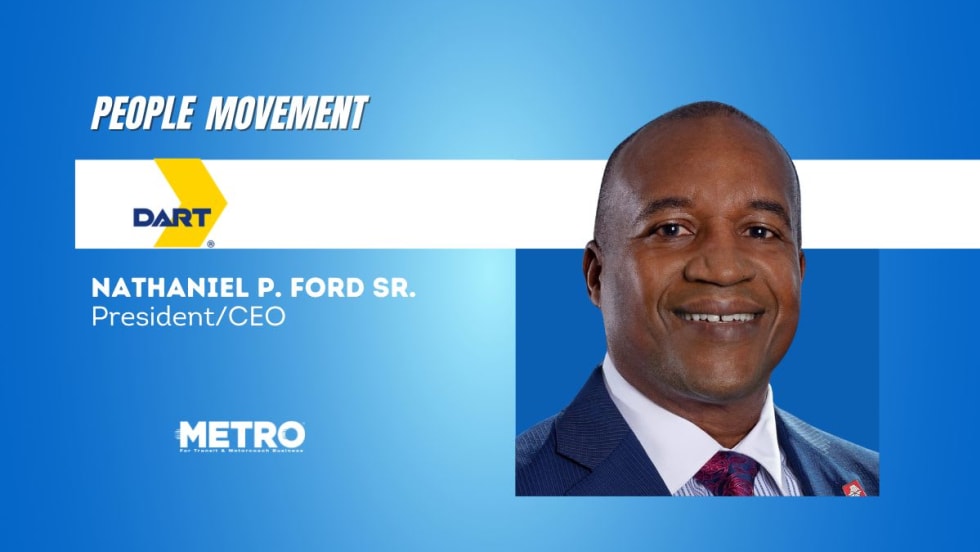
DART Taps Nathaniel P. Ford Sr. as Next President/CEO
Since 2012, Ford has served as the CEO of the Jacksonville Transportation Authority
Read More →
AC Transit’s Cecil Blandon on Building the Next Generation of Transit Maintenance Leaders
The agency’s maintenance chief discusses leadership, workforce development, zero-emission technology, and preparing technicians for the future of public transportation.
Read More →
California High-Speed Rail Authority Signs MOU to Advance High Desert Corridor
The agreement deepens collaboration between the California High-Speed Rail Authority and the High Desert Corridor Joint Powers Agency, supporting design integration, cost savings, and faster delivery of a key Southern California rail link.
Read More →
Building the Next Generation of Transit Technology
In this edition of METROspectives, Luminator CEO Magnus Friberg discusses the company's transformation, the growing role of AI and software, and what's next for transit technology.
Read More →
How Data, Strategy, and Community Engagement Are Reshaping Transit
In this edition of METROspectives, strada360 CEO Steve Lassey discusses how transit agencies can better align planning with operations, leverage data to improve decision-making, and build public trust as they prepare for the future of mobility.
Read More →