



Public-private partnership formed to test Metra reverse-commute
Metra to work with businesses and governments to add Milwaukee North trains


Metra and Lake County Partners agreed to a public-private partnership that would work together to investigate the viability of increased service. Photo: Metra

Metra has reached an agreement with business and civic groups in Lake County to share the costs of a potential two-year pilot project for two new reverse-commute trains on the Milwaukee District North Line and to work on a definitive agreement to share the cost of installing a universal crossover near Lake Forest, which would create additional opportunities for enhanced service.
The public-private partnership agreement, which must be approved by the Metra Board of Directors, is the culmination of a process that began with an appearance by Lake County officials at a Metra Board meeting in April. The officials asked Metra to explore ways to improve reverse-commute service to Lake County in order for them to effectively recruit and retain employees living in Chicago. They also argued that better train service would reduce pollution and roadway congestion and improve employee productivity and satisfaction.
After several months of discussion, Metra and Lake County Partners, an economic development corporation affiliated with Lake County businesses and government, agreed to a public-private partnership that would work together to investigate the viability of increased service. The groups will evenly split the $1.4 million cost of operating one new reverse-commute train in each rush period as part of a two-year demonstration project and work on a definitive agreement to divide the $4.75 million cost of installing a crossover near Lake Forest, with the partners contributing $2.75 million, Metra contributing $1 million and local governments contributing $1 million.
“At a time when Metra is pinched for operating and capital funding, this partnership is an innovative way to test the demand for service to Lake County and potentially improve our infrastructure,” said Metra CEO/Executive Director Jim Derwinski. “We are hopeful that this initiative will build our ridership, help local businesses to recruit top talent and have a positive impact on economic activity in Lake County.”
Metra’s current schedule is not ideal for reverse-commute riders to and from Lake Forest, the station closest to several major employers including AbbVie, Horizon Pharma and others. There are no morning outbound express trains, and the afternoon trains are either too early or too late for most workers.
Changes to the current schedule were not possible until recently, when Metra upgraded the signal system on the line, creating more flexibility.
If the pilot project shows that there is a strong market for reverse-commute service and that the service is self-sustaining, the partners agree to enter into an agreement to fund the construction of a new crossover near the Lake Forest Station. A crossover allows trains to switch between tracks. Constructing a crossover at Lake Forest would allow Metra to turn trains around at that location, which would create an opportunity for better service in the morning and evening rush periods if demand supported it.
More Rail
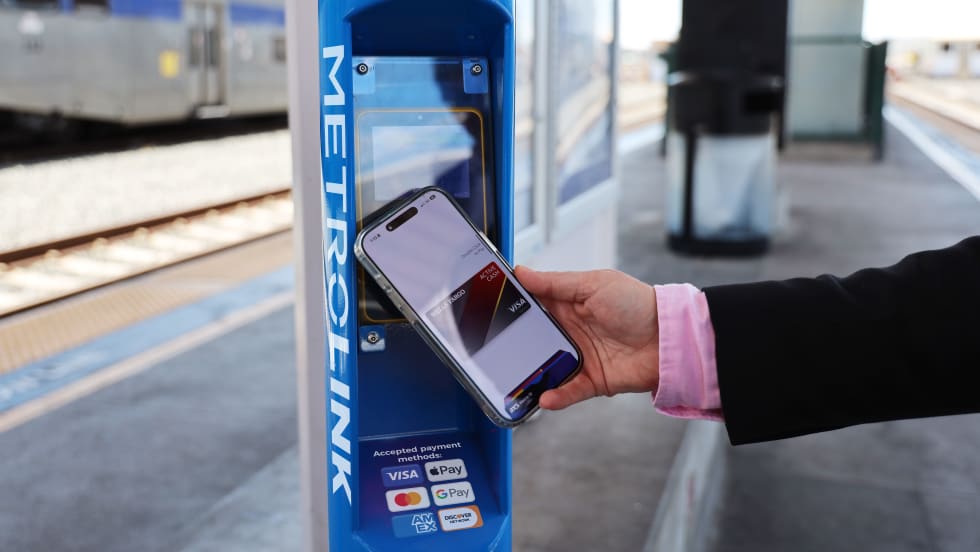
Southern California's Metrolink Debuts Contactless Fare Payment Pilot
Customers traveling between Redlands and Los Angeles can now tap their preferred payment method, including a credit or debit card, mobile wallet, or wearable device, at station validators before boarding and again while exiting.
Read More →
California's BART Approves FY27 Budget While Maintaining Service Levels
The budget covers July 1, 2026, through June 30, 2027, a period when pandemic emergency funds run out, the District faces a structural deficit of $375 million, and a regional transit funding measure may appear on the November ballot.
Read More →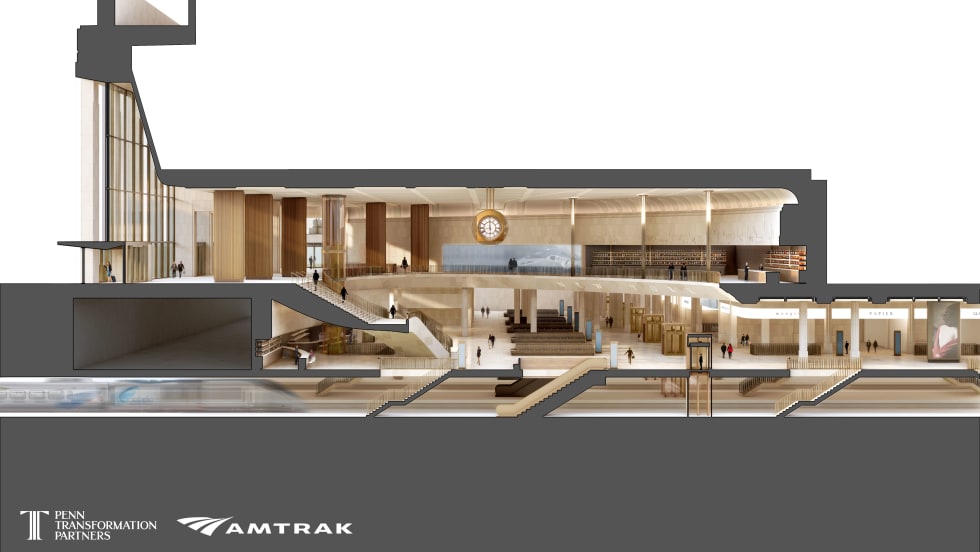
Penn Station Transformation Advances with Design Unveiling
The historic redesign will transform the busiest transit hub in the Western Hemisphere from the tracks to the street level, creating a more efficient, cleaner, and functional experience for more than 600,000 daily commuters and millions of visitors.
Read More →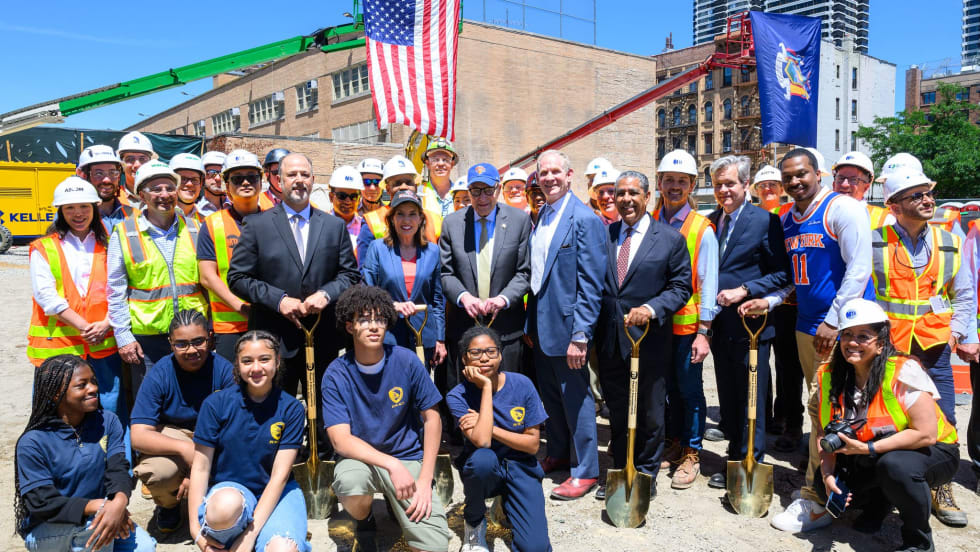
Second Avenue Subway Phase 2 Advances into Major Construction Stage
New York Governor Kathy Hochul joined leadership from the MTA, elected officials, and Harlem community leaders to break ground on the major construction stage of the transformative Second Avenue Subway Phase 2 project.
Read More →
The Invisible Infrastructure of Passenger Flow
What a seat reservation system on Austria’s Railjet trains reveals about the future of rider experience, and why U.S. agencies should pay attention.
Read More →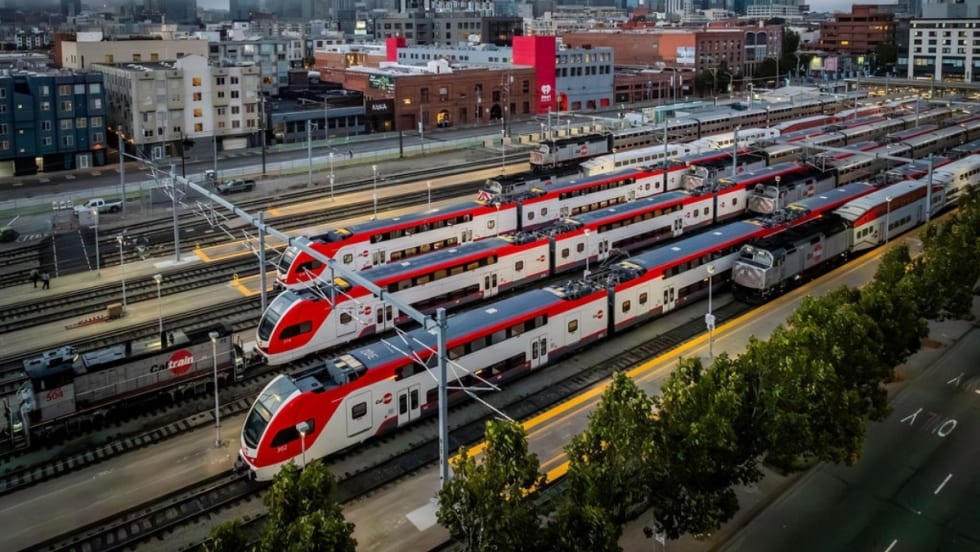
Caltrain Board Approves FY27 Budget, Endorses Efficiency Measures
The move ensures Caltrain service will continue operating as usual in the near term, but long-term financial challenges remain for the rail agency absent a new revenue source.
Read More →
Alstom Acquires Delaware Site to Support Amtrak NextGen Acela Fleet
The company is investing more than $55 million to acquire and improve the property and will employ approximately 100 people at this site once it is operational.
Read More →
When Routine Fails: How Public Transit Must Adapt for the World Cup
The 2026 FIFA World Cup will test transit agencies’ ability to manage unpredictable travel patterns, making real-time data and operational flexibility critical to moving millions of visitors efficiently.
Read More →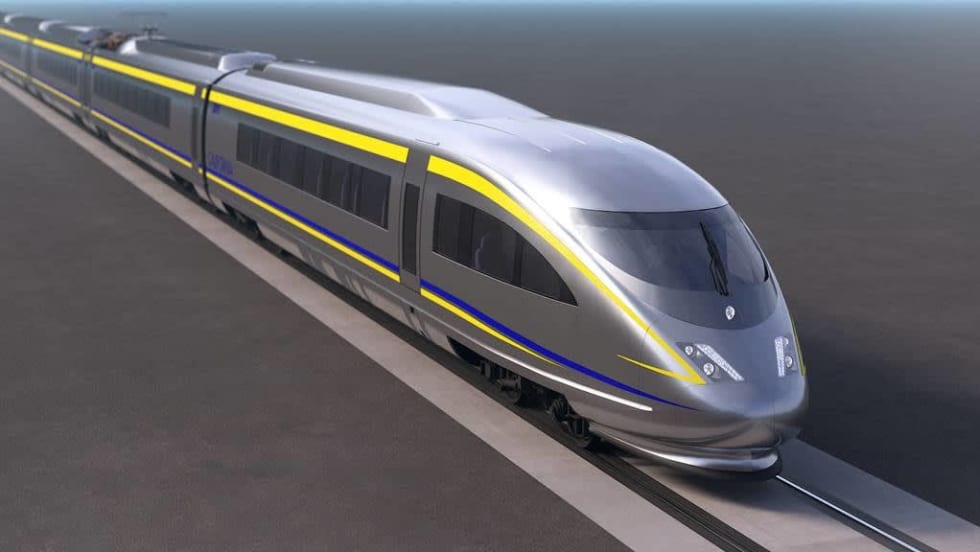
California Selects Team for Nation’s First True High-Speed Rail Track and Systems Contract
The board action follows completion of track installation at the 150-acre southern railhead in Kern County, which will serve as the staging and distribution hub for high-speed track and systems installation.
Read More →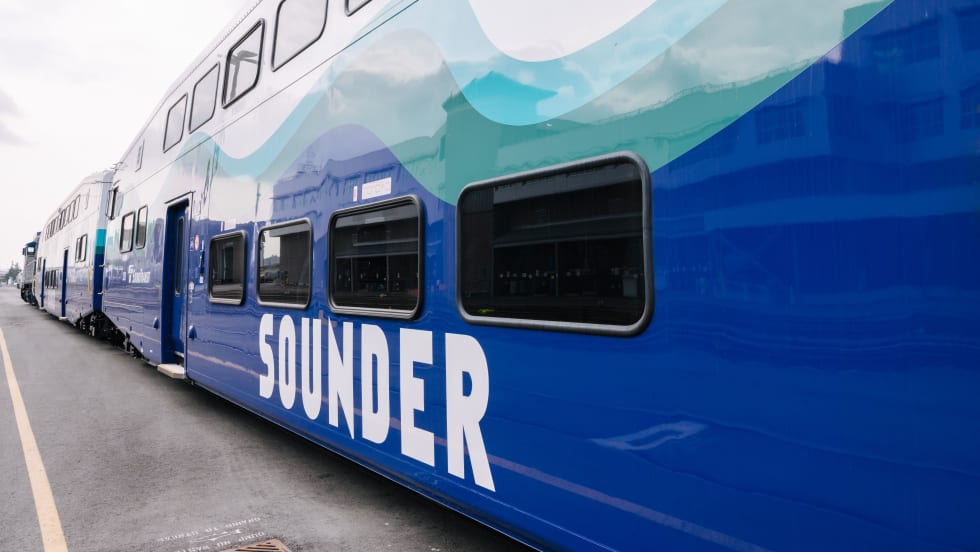
Seattle's Sound Transit Launches New Sounder Railcars into Service
Alstom manufactured all the cars under a $46.5 million contract and came into service in anticipation of summer crowds for soccer and baseball.
Read More →