



Mich.'s TheRide lands grant to test autonomous securement of wheelchairs
The systems are scheduled to be installed into the buses by January 2019.



The Ann Arbor Area Transportation Authority (TheRide) was awarded an $187,000 Michigan Mobility grant from the Michigan Department of Transportation (MDOT) as part of their Michigan Mobility Challenge grant initiative. The initiative uses technology and innovation to address mobility gaps for seniors, persons with disabilities, and veterans in Michigan. The grant will allow TheRide to pilot a program for virtually autonomous wheelchair securements requiring minimal assistance.
TheRide is partnering with the Center for Independent Living, the University of Michigan Transportation Research Institute, and Q’Straint, to test virtually autonomous securement of wheelchairs on 10 of its buses. The systems are scheduled to be installed into the buses by January 2019.
“This next generation safety feature can allow individuals with mobility devices to secure themselves in under 25 seconds with the push of a button,” said Julia Roberts, planning and innovation project lead at TheRide. “Innovative transportation solutions like this could significantly improve independence for people with wheelchairs, reduce overall passenger boarding time, improve on-time performance, and create a better customer experience with greater service reliability across the transit network. Piloting autonomous applications on these vehicles help drive movement toward our mobility future.”
In addition to providing more independence for individuals with disabilities, the virtually autonomous wheelchair securements provide greater protection of the individual’s head and neck, reduces boarding time, and allow for less maintenance needed on the vehicle. TheRide’s motorcoach operators (MCOs) will be educated on the pilot program to help answer rider questions.
TheRide is also proud to be supporting Feonix — Mobility Rising’s proposal to use technology and training to enhance the transit experience for people with hearing and visual impairments. The project team, led by Executive Director Valerie LeFleur, will use it’s funding to implement technology solutions to assist individuals with auditory and sight challenges in locating bus stops and final destinations.
More Management
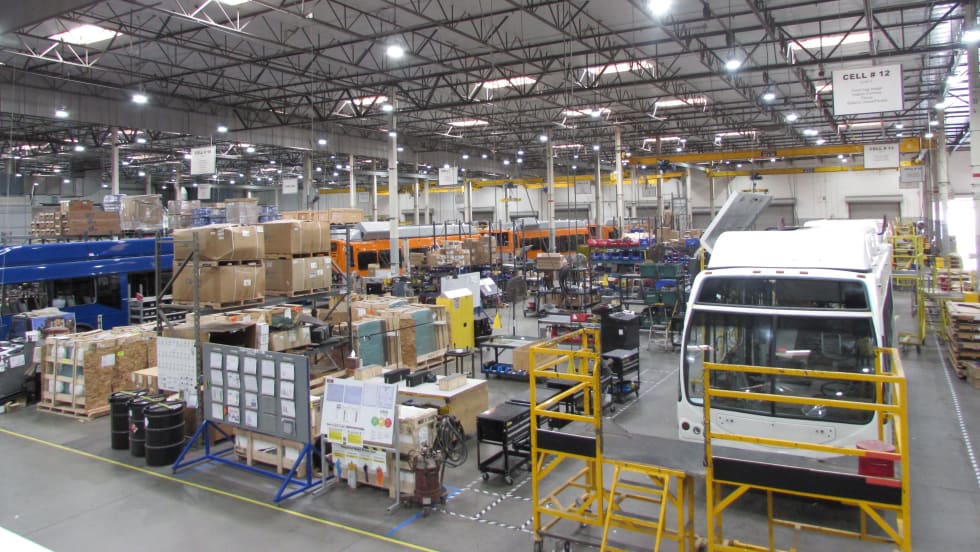
LA Metro Board Awards 220 Battery-Electric Bus Contract to ENC
The contract, which is the largest base award of battery-electric buses by a U.S. transit agency, will be built in Southern California, sustaining good jobs as LA prepares to welcome the world in 2028
Read More →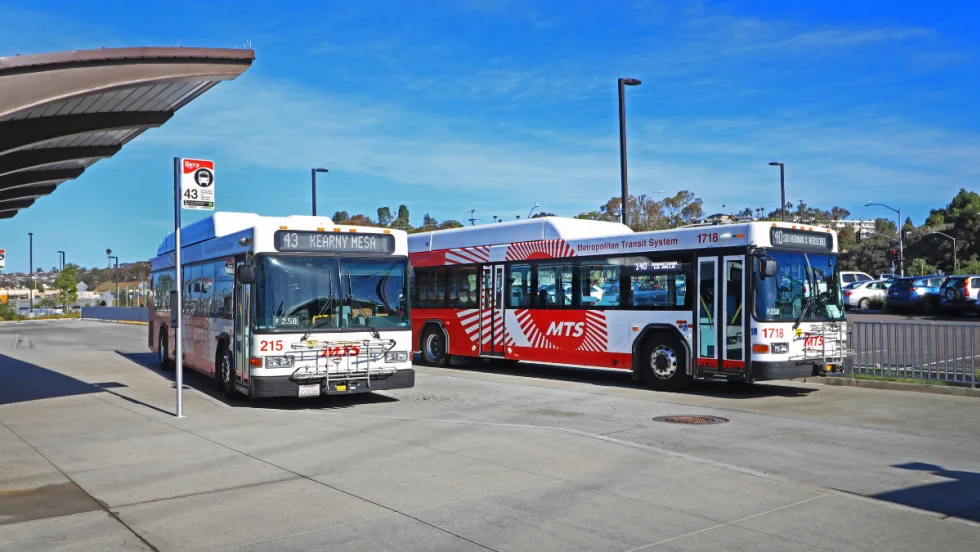
What’s Behind San Diego MTS’s Award-Winning Transit Strategy
Named one of APTA’s 2026 Outstanding Public Transportation Systems with 50 million or more annual passenger trips, California’s San Diego Metropolitan Transit System points to gains in ridership, safety, technology, and reliability as foundations of its success.
Read More →
Public Transit Conference Returning to GFX in 2027, Call for Papers Now Open
The Call for Papers is now open, allowing transit agency professionals and industry experts to help shape the PTC educational program by submitting session ideas for consideration.
Read More →
Indian River Transit’s Community-Focused Approach Earns National Recognition
Named APTA’s 2026 Outstanding Public Transportation System in its size category, Florida’s Indian River County transit system continues to grow ridership through fare-free service and a focus on evolving community needs.
Read More →
ENC Lands MATA Contract and More in Biz Briefs
In this edition of Biz Briefs, we spotlight the latest developments shaping the future of mobility.
Read More →
From Surviving to Thriving: Building Stronger Transportation Organizations
Bus Business Consultants founder Brian Dickson shares lessons on leadership, organizational health, and creating options for long-term success in a changing transportation industry.
Read More →
Everett Transit, Community Transit Outline Consolidation Agreement
The proposed agreement calls for a 50% increase in bus service in Everett, a new microtransit zone, continued paratransit service, and the transfer of Everett Transit operations to Community Transit.
Read More →
Strada360’s Steve Lassey on Turning Transit Data Into Better Decisions
From breaking down data silos to preparing for AI, Strada360 CEO Steve Lassey discusses how transit agencies can use technology to improve operations, customer information, and long-term decision-making.
Read More →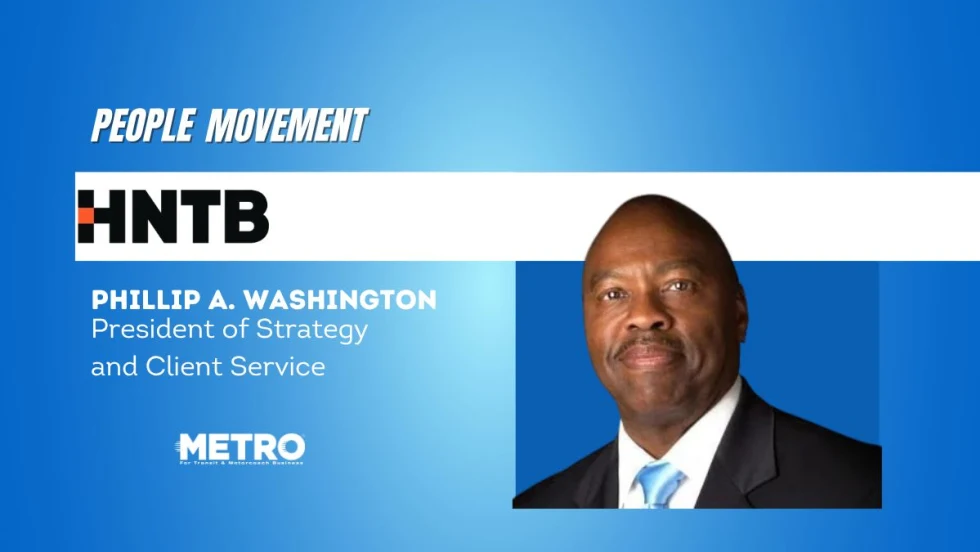
People Movement: Phil Washington Joins HNTB, Denver RTD Launches CEO Search, and More
In this edition, we also spotlight recent personnel moves at STV, the Eno Center for Transportation, and more, highlighting the people taking on new roles across the transportation industry.
Read More →
SEPTA Details Accelerate Vision for Transit System
The plan outlines investments in trolley modernization, new Metro and Regional Rail vehicles, accessible stations, and more frequent bus and rail service.
Read More →