Wabtec’s Faiveley acquisition creates top product, service provider
Through its subsidiaries, the company provides highly engineered products — from braking equipment to electronics to HVAC systems to doors — that can be found on virtually every passenger railcar, freight car, bus, and locomotive in North America and in more than 100 countries.
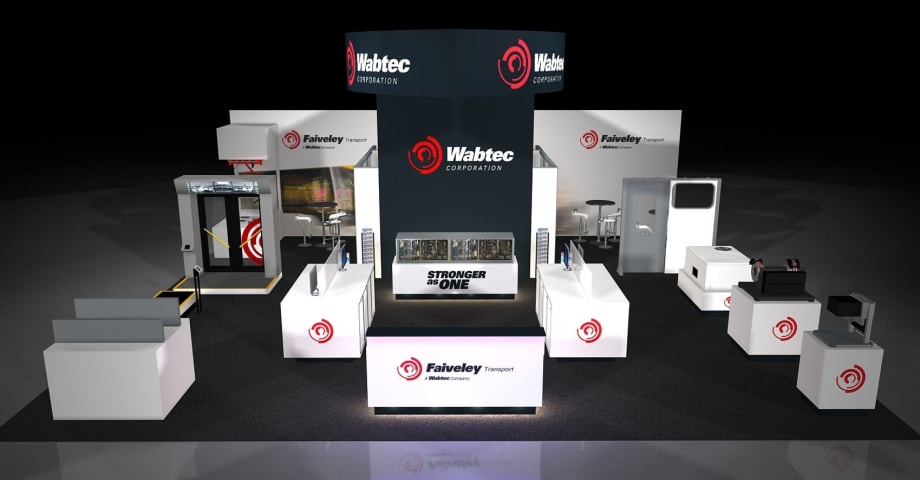
Wabtec Corp.’s recent acquisition of Faiveley Transport creates one of the world’s leading providers of products and services for the passenger transit and freight rail industries.
Through its subsidiaries, the company provides highly engineered products — from braking equipment to electronics to HVAC systems to doors — that can be found on virtually every passenger railcar, freight car, bus, and locomotive in North America and in more than 100 countries.
Ad Loading...
The company also offers an array of aftermarket services, and builds high-efficiency locomotives for commuter applications.
The board authorized a five-year contract, with two one-year options, to Tolar Manufacturing Company Inc., for the fabrication and installation of upgraded passenger amenities at bus stops across the DART Service Area.
As motorcoaches navigate increasingly congested urban corridors filled with pedestrians, cyclists, scooters, and distracted drivers, safety leaders across the industry are confronting a growing challenge: visibility.
In this edition of Biz Briefs, we highlight the latest developments shaping the future of mobility — from manufacturers and technology providers to transit agencies and motorcoach service operators.
In this product roundup, METRO highlights transit software platforms designed to optimize scheduling; harness actionable data; and support flexible, on-demand operations.
A major goal of the pilot, which begins in April, is to test the speed, functionality, and durability of new handheld devices to scan Ventra and paper tickets.
Traditionally, bus lane enforcement has relied on manual processes carried out by transit police or parking enforcement officers. While it may be effective in certain municipalities, this approach is resource-intensive and very difficult to sustain.
A phased approach to technology, in-house capabilities, and workforce investment is helping transportation leaders break the reactive cycle and build more resilient, revenue-focused operations.