



NTSB releases preliminary report on NJ Transit crash investigation
In addition, a man who had his finger partially ripped off during the accident is planning to sue the transit agency.


NTS

The National Transportation Safety Board released Thursday its preliminary report on the investigation of the Sept. 29, 2016, accident involving New Jersey Transit train 1614 at the Hoboken Terminal, Hoboken, N.J.
One person died and 110 more were injured when the 400-foot long train, which consisted of a controlling passenger car (cab car), three passenger cars, and one locomotive at the rear, failed to stop, overrode a bumping post, and struck a wall of the terminal.
The preliminary report details factual information gained to date in the investigation. It does not contain analysis and does not state probable cause. The information contained within the preliminary report is subject to change as data is validated.
The NTSB investigator-in-charge formed the following technical groups to gather information and evidence for the investigation: Operations, Human Performance, Survival Factors, Signal Systems, Track and Engineering, Mechanical/Equipment, and Event/Video Data Recorders.
Both the engineer and conductor were interviewed by NTSB investigators. The emergency response to the accident is being reviewed by investigators as are records for operations, signal systems, mechanical equipment, and track and engineering. Investigators inspected the track structure, signal system, and mechanical equipment involved in the accident.
Investigators tested the signal and train control system; the accident route was duplicated with signal alignment and functioned as designed. The signal system was restored to service with the exception of the damaged signal at the end of track 5, the track upon which the accident happened.

NTSB investigators found the cab car’s electrical communication network — necessary for brake, signal, and propulsion control — was destroyed in the accident. Conversely, accident damage to the cab car’s air brake system was minor and was repaired for testing. The train brakes functioned as designed during a friction brake test using the rear locomotive to apply the brakes.
To read the full report, click here.
In addition, the New York Daily News is reporting that a man who had one finger partially ripped off in the crash is planning on suing NJ Transit.
The man also suffered deep gashes carved into his head when his train slammed into a restraining barrier at twice the normal stopping speed at the Hoboken station Sept. 29 during his morning commute. For the full story, click here.
More Security and Safety

New Public Safety Hub Opens in Downtown Houston
The substation strengthens METRO Police presence in an area where transit activity, pedestrian movement, and visitor flow converge.
Read More →
SamTrans Sets Priorities for Potential Connect Bay Area Revenue
The board-approved framework allocates future funding to maintaining service, rider improvements, equity initiatives, and infrastructure repairs.
Read More →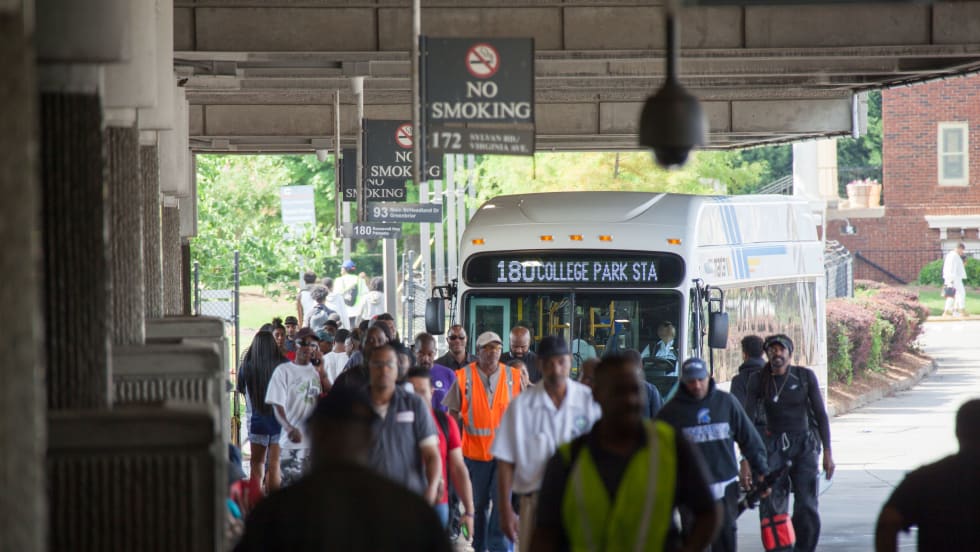
Federal Transit Officials Launch MARTA Safety Probe
FTA has given MARTA 15 days to provide records on crime prevention, fare evasion enforcement, and security funding as part of a broader safety investigation.
Read More →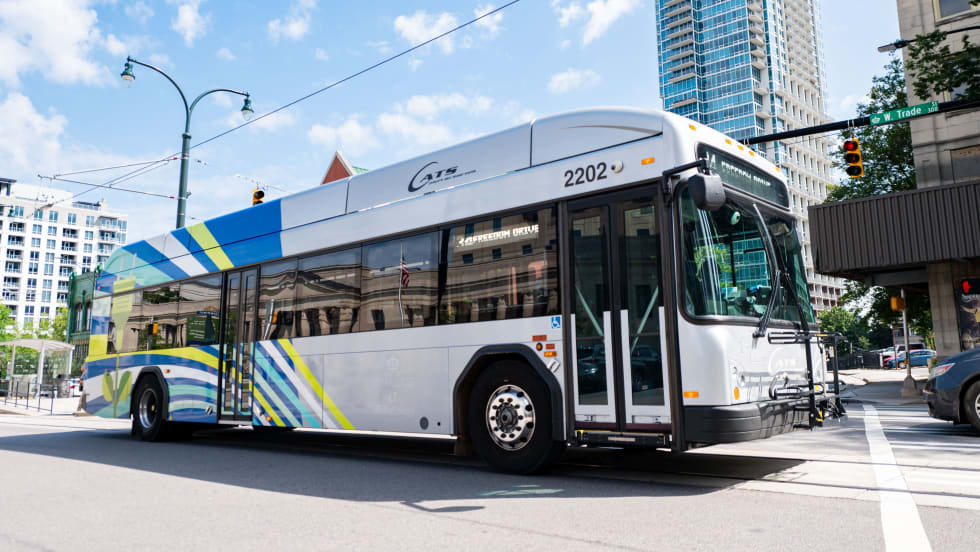
Strategic Safety Measures at CATS Lead to Drop in Transit Crime
Under the leadership of the CATS Chief Safety and Security Officer, the organization has marked a pivotal transformation.
Read More →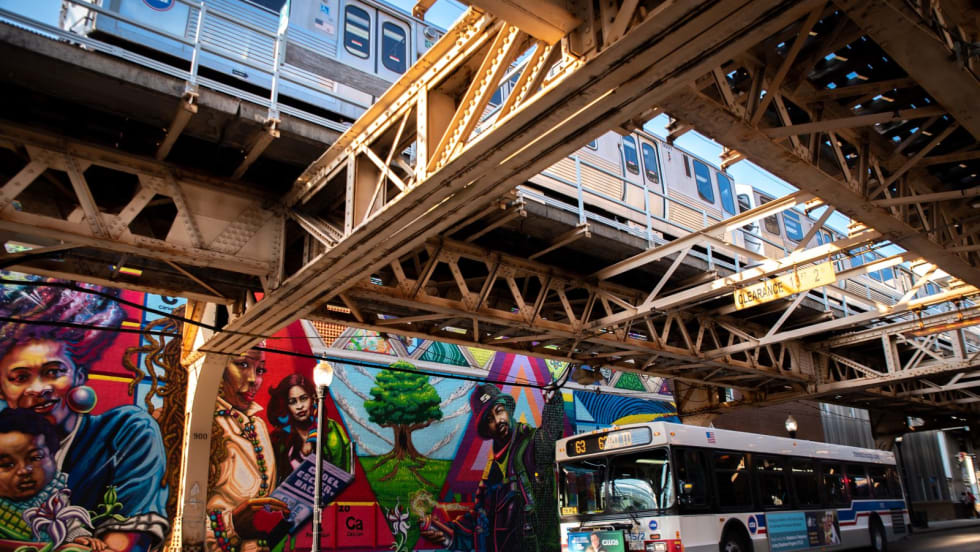
Chicago's NITA Act Moves Into Next Phase as Service Improvements Begin
Rider-focused improvements will begin rolling out across the system immediately as CTA, Metra, and Pace increase service this summer in the six-county region.
Read More →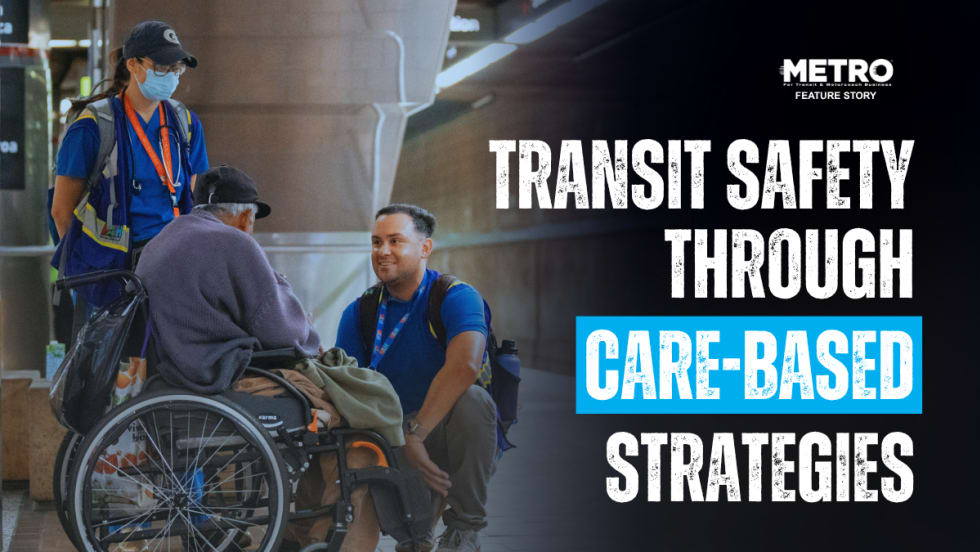
How Transit Agencies Are Evolving Enforcement-Only Models With Care-Based Safety Strategies
Transit agencies are redefining safety with care-based response models. See how leaders are improving trust and operations.
Read More →
A True Low-Floor Minibus Design Delivers Better Accessibility and Efficiency for Everyone
As transit demands evolve, so should your fleet. Download the whitepaper to see how the Low-Floor Frontrunner Minibus compares to traditional options.
Read More →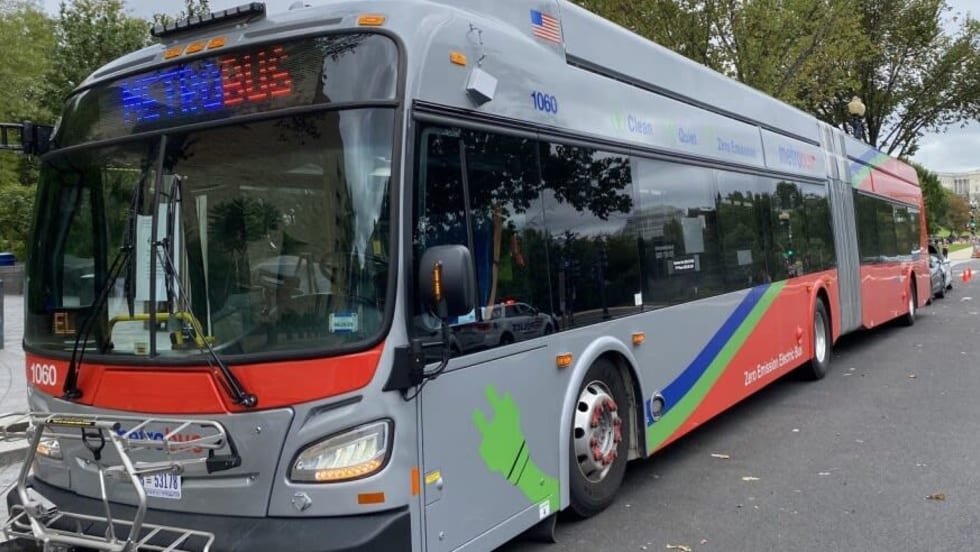
WMATA Debuts 'Fares Pay for Service' Awareness Campaign
The campaign was highlighted during a media event at the Paul S. Sarbanes Transit Center in Silver Spring, where WMATA’s GM/CEO Randy Clarke joined Metro Transit Police officers, WMATA management team, board members, and staff to expand fare enforcement and customer education efforts on Metro Bus routes throughout the region.
Read More →
The Evolving Role of Program Management in Transit Delivery
Brian Buchanan, HDR’s transit program management lead, discusses how agencies can strengthen governance, anticipate risk and deliver large-scale projects more effectively.
Read More →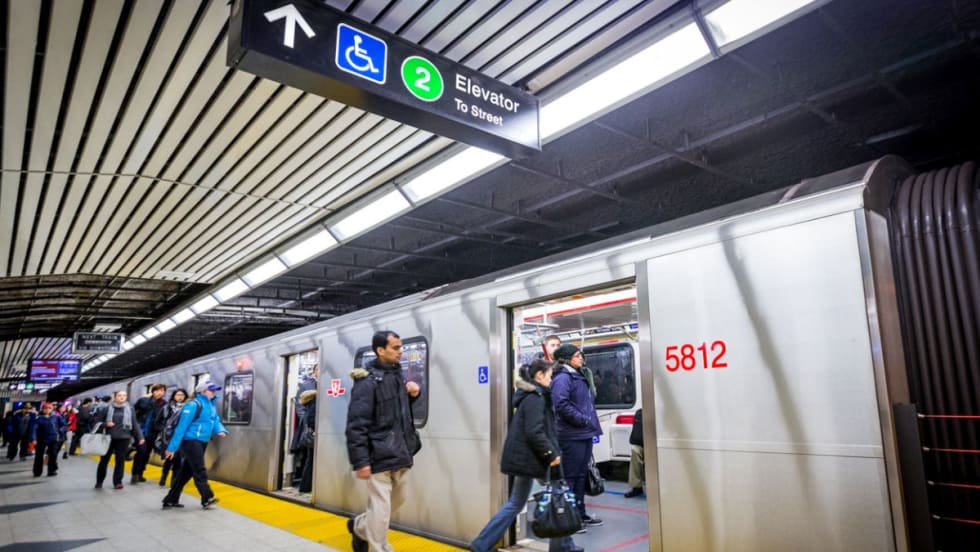
TTC Enhances Security Efforts With More Checks, Track Intrusion Focus
The actions, and more, are part of the new and enhanced measures outlined in the “Advancing Safety on the TTC: 2026 Focus Areas Plan” report, which is going to the TTC Board on June 3.
Read More →