



TTC Enhances Security Efforts With More Checks, Track Intrusion Focus
The actions, and more, are part of the new and enhanced measures outlined in the “Advancing Safety on the TTC: 2026 Focus Areas Plan” report, which is going to the TTC Board on June 3.

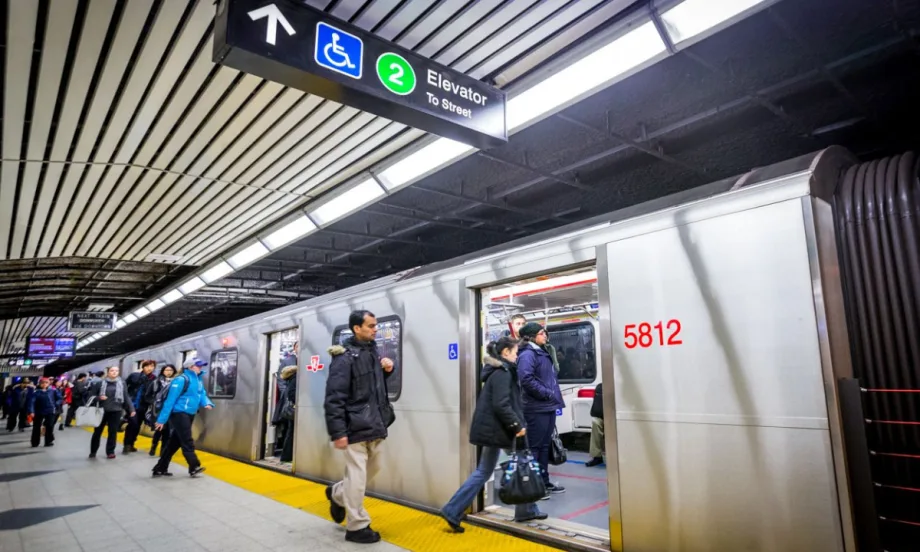
In addition to the enhanced measures this year, the TTC continues to advance a range of community safety and security measures, as outlined in the TTC Community Safety, Security, and Well-Being Plan.
Photo: TTC
- The TTC plans to implement enhanced security measures as part of the "Advancing Safety on the TTC: 2026 Focus Areas Plan."
- These measures include an increased number of security checks and a focus on preventing track intrusions.
- The report detailing these initiatives is scheduled for presentation to the TTC Board on June 3.
*Summarized by AI
The Toronto Transit Commission (TTC) will increase staff visibility and on-vehicle checks, and begin installing a pilot AI-assisted track intrusion warning system.
The actions, and more, are part of the new and enhanced measures outlined in the “Advancing Safety on the TTC: 2026 Focus Areas Plan” report, which is going to the TTC Board on June 3.
The TTC’s Focus Areas Plan
As part of this plan, the TTC intends to:
- Increase staff visibility in stations and conduct on-vehicle checks during peak hours, and fare inspection on subways at other times.
- Improve the deployment of provincial offenses officers, Special Constables, station supervisors, and security guards to be more dynamic and data-informed.
- Improve coordination of services for vulnerable people in need of social services or shelter, so they don’t have to stay overnight in transit.
- Expand the use of body-worn and in-station cameras to act as a deterrent to anti-social behavior.
- Pilot a targeted in-station announcement system in key locations to reduce disruptive behavior and delays.
- Advance an additional $6 million in funding for the Bloor Yonge Capacity Improvement Project to prepare the platform for edge doors in the future and $2 million to pilot NYC-style platform barriers at TMU Station this year.
“Safety is paramount to everything we do at the TTC; whether that’s individual safety or the safety of our infrastructure and vehicles,” said TTC CEO Mandeep S. Lali. “Using data to inform our decisions, we will strategically roll out these new initiatives to ensure they are of maximum benefit to our customers and employees.”
Increasing Safety, Security, and Well-being
In addition to the enhanced measures this year, the TTC continues to advance a range of community safety and security measures, as outlined in the TTC Community Safety, Security, and Well-Being Plan, such as:
- Expanded the Toronto Community Crisis Service pilot program to support mental health-related calls in subway stations.
- Increased the number of Streets to Homes outreach workers by 10 to provide additional support on the surface network.
- Completed de-escalation training for frontline employees.
- Launched customer campaigns promoting courtesy, appropriate behavior, and safety awareness, including initiatives to highlight available safety features, resources, and the SafeTTC app.
- Deployed Neighborhood Community Officers on the subway network.
- Established 24/7 Transit Special Constable support within Transit Control to support SafeTTC app correspondences and CCTV playback requests.
- Partnered with the Toronto Police Service to deliver community safety events.
- Advanced work to expand criminal protection for transit workers through Bill C-14, which has passed third reading in the House of Commons and is being considered in the Senate.
- Launched a nine-week safety-informed youth PEERS pilot program in partnership with TDSB, City of Toronto, and Toronto Police Service.
Quick Answers
The focus is on enhancing security through more checks and addressing track intrusion as part of the 'Advancing Safety on the TTC: 2026 Focus Areas Plan.'
*Summarized by AI
More Security and Safety

Public Transit Conference Returning to GFX in 2027, Call for Papers Now Open
The Call for Papers is now open, allowing transit agency professionals and industry experts to help shape the PTC educational program by submitting session ideas for consideration.
Read More →
Safe Transit Act Proposes New Security Requirements for Federal Transit Funding
Proposed legislation would link federal transit dollars to safety measures while requiring security investments, onboard cameras, and new fare collection standards.
Read More →
FTA Ends Direct Oversight of MBTA Safety Actions
The federal agency closed its remaining special directive to the Massachusetts Department of Public Utilities following a safety review that began in 2022.
Read More →
Transit Agencies Highlight Safety Gains at National Summit
Leaders from 15 major transit systems shared crime-reduction results and safety initiatives while discussing the role of continued federal support.
Read More →
DART Launches Major Security, Fare Enforcement Initiative
The 90-day demonstration will deploy coordinated security teams at five light rail stations while testing controlled access and gathering data to guide future investments.
Read More →
RTD Launches NextRide App to Consolidate Trip Planning, Fares, Security Reporting
The app expands on RTD’s existing NextRide web application and allows customers to view real-time vehicle locations and service alerts, purchase and store digital fares, and access customer support.
Read More →
TAPTCO Updates OSHA Compliance Training for Transit Maintenance Operations
The revamped program addresses 26 OSHA standards for maintenance facilities, with TAPTCO pointing to training, documentation, and everyday shop hazards as continuing challenges for transit operations.
Read More →
FRA Announces $5.3B in Rail Investments, Including $2B for Amtrak
Funding will support grade-crossing improvements, infrastructure upgrades, and new Amtrak equipment in 23 states.
Read More →
Chicago, Maryland Expand Non-Law-Enforcement Safety, Rider Support
The CTA and MTA are launching new programs aimed at de-escalation, crisis response, rider assistance, and greater transparency.
Read More →
LA Metro, City of West Hollywood, and Partners Advance Smarter Bus Lane Enforcement
The award-winning partnership combines AI-powered detection with human oversight to improve bus reliability, accessibility, and enforcement efficiency.
Read More →