



A year in, Seattle's low income fare program a success
More than 3.7 million trips were taken with ORCA LIFT cards on Metro buses and Sound Transit Link light rail during the program's first year, with more than 25,000 residents signing up for the program.

After its first year, Seattle officials say its ORCA LIFT program, which provides reduced fares for low-income riders, is connecting more people to job and educational opportunities.
The program, which was launched by King County Executive Dow Constantine, has gained attention in other metropolitan regions, such as Boston and Charlotte, N.C., as an example of how regional governments can increase access to opportunity.
"The success of ORCA LIFT shows the rest of the country how transit can be part of the solution to our nation's growing income inequality," said Constantine. "By helping more people get to that higher-paying job or college class, we are helping passengers climb the ladder of success."
The number of qualified riders who use ORCA LIFT cards has increased each month since the program started a year ago. A recent survey found that 42% of riders have taken the bus and light rail more frequently since they received their ORCA LIFT card.
More than 3.7 million trips were taken with ORCA LIFT cards on King County Metro buses and Sound Transit Link light rail during the program's first year. More than 25,000 King County residents have signed up for the program so far. Both transit agencies are now increasing access.
Constantine, who is also chair of the Sound Transit Board of Directors, recently announced that the cards can now be used on all Sound Transit ST Express buses and Sounder trains, covering King, Snohomish and Pierce counties.
Metro Transit recently started a new program, LIFT Kids, that waives the $5 purchase fee for an ORCA card for the children of LIFT participants.
An innovative approach to delivering service
ORCA LIFT has been profiled by national news organizations in part because of its innovative approach to connecting riders with the new card. Metro is tapping into the network of community partners that Public Health — Seattle & King County created to help nearly 200,000 residents sign up for health care during the initial enrollment period for the Affordable Care Act.
Riders can get ORCA LIFT cards at more than 40 locations across King County, including community colleges, food banks, human service providers, nonprofit organizations and health clinics. King County's one-stop approach to connecting people with services that help them succeed decreases the amount of time they waste traveling to multiple locations.
ORCA LIFT complements other programs offered by Metro and Sound Transit, such as the Regional Reduced Fare Permit for the elderly and disabled, the Seattle-King County human service ticket program for the homeless and reduced fares for youth ages six to 18.
More Management

RTD Launches NextRide App to Consolidate Trip Planning, Fares, Security Reporting
The app expands on RTD’s existing NextRide web application and allows customers to view real-time vehicle locations and service alerts, purchase and store digital fares, and access customer support.
Read More →
The Business Voice Behind Public Transportation
As chair of APTA’s Business Members Board of Governors, Ray Melleady explains how more than 850 business members are partnering with transit agencies to advance funding, innovation, and industry-wide collaboration.
Read More →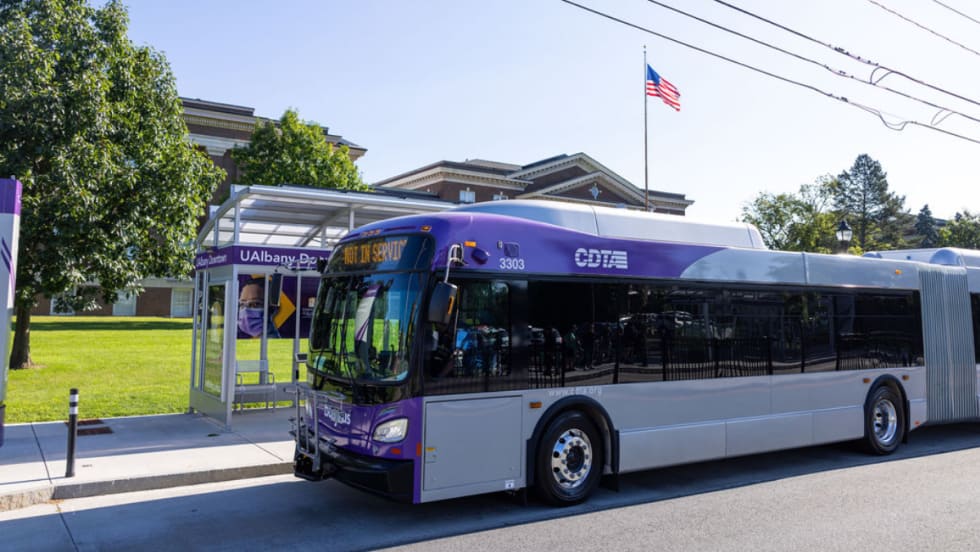
New York’s CDTA Service Rebalancing Boosts Productivity, On-Time Performance
Despite a slight dip in ridership, the agency’s FY2026 results show its service rebalancing strategy is helping the agency carry more riders per service hour while improving reliability.
Read More →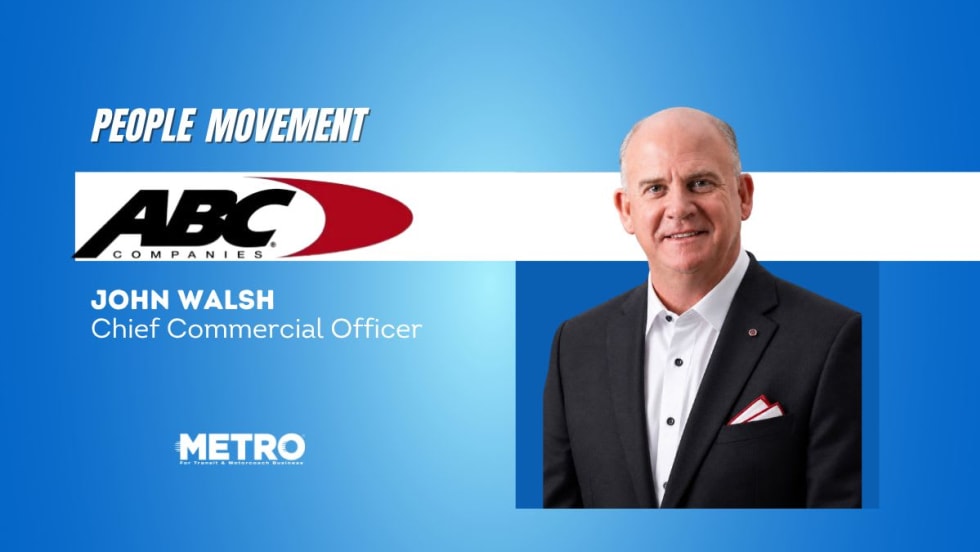
People Movement: ABC Names John Walsh as Chief Commercial Officer
In this edition, METRO also covers recent appointments and announcements at the DART, STV, and more, showcasing the individuals helping to shape the future of transportation.
Read More →
From Surviving to Thriving: Building Stronger Transportation Organizations
Bus Business Consultants founder Brian Dickson shares lessons on leadership, organizational health, and creating options for long-term success in a changing transportation industry.
Read More →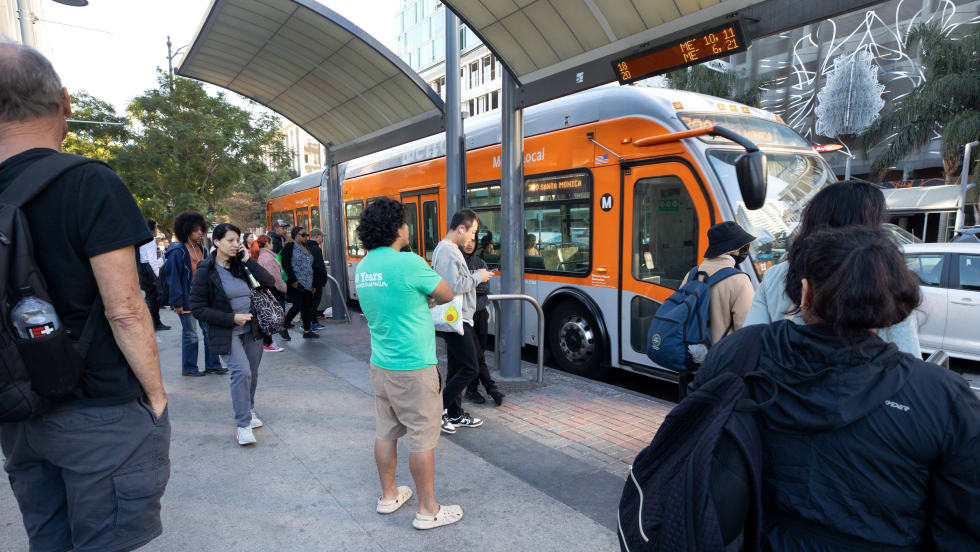
LA Metro Ridership Continues Growth as Rail Gains Accelerate
New rail connections and major events help drive continued ridership gains, with Metro recording its eighth consecutive month of year-over-year rail growth.
Read More →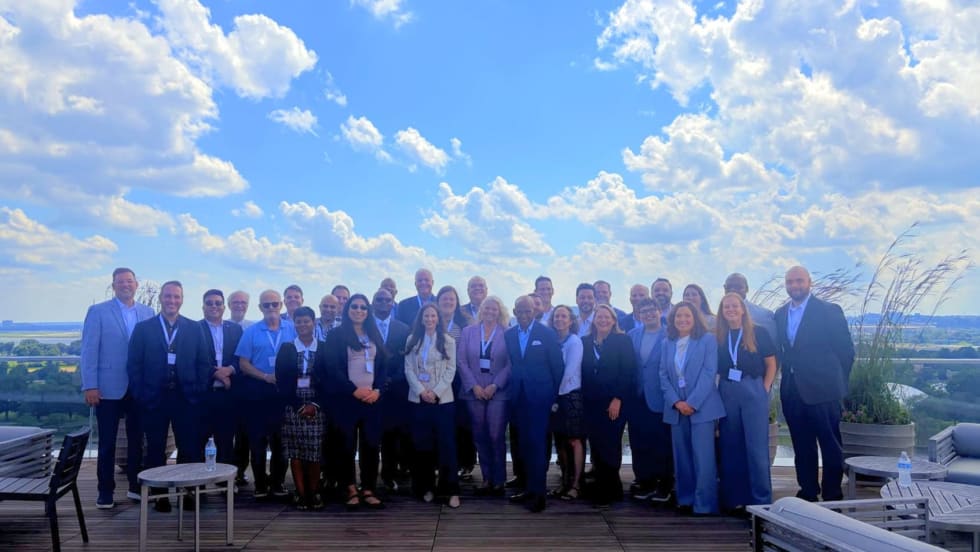
TransDASH Summit Focuses on Measuring What Matters in Transit
Transit agencies unveil a national performance platform designed to benchmark customer experience, safety, community value, and other outcomes.
Read More →
Jacksonville’s NAVI Project Charts a New Course for Autonomous Public Transportation
Through its NAVI program, JTA is showing how autonomous vehicles, intelligent infrastructure, and coordinated operations can work together to deliver everyday public transportation.
Read More →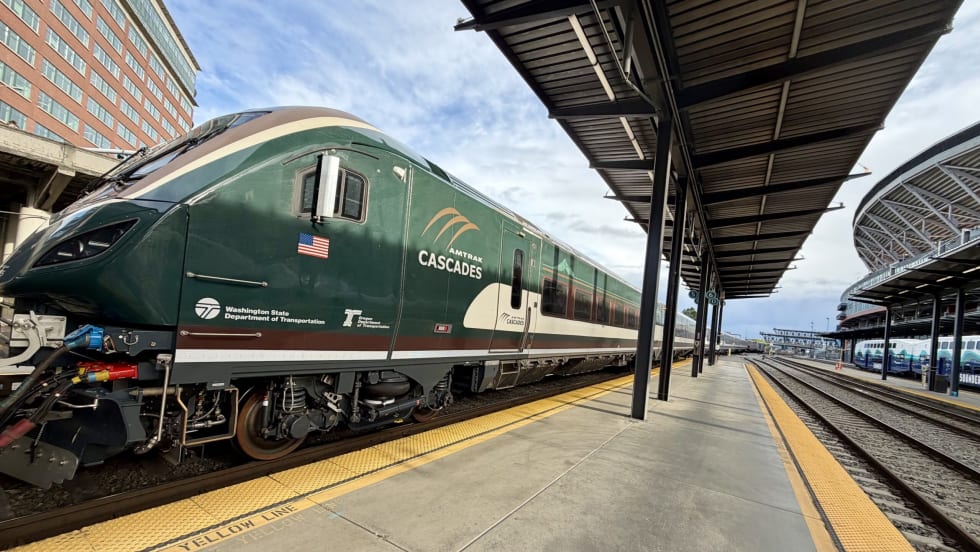
FRA Announces $5.3B in Rail Investments, Including $2B for Amtrak
Funding will support grade-crossing improvements, infrastructure upgrades, and new Amtrak equipment in 23 states.
Read More →
Finding the ‘Happy Medium’: Optimizing Maintenance Without Sacrificing Reliability
The key to maintenance optimization isn’t doing less work—it’s doing the right work at the right time on the right assets.
Read More →