
METRO Magazine Logo
MenuMENU
SearchSEARCH

Former SFMTA, VTA chief to lead Caltrain electrification program

Electrification of the system is part of Caltrain's Modernization Program — the most transformative project in the rail system’s 150-year history.

February 5, 2016
Former SFMTA, VTA chief to lead Caltrain electrification program

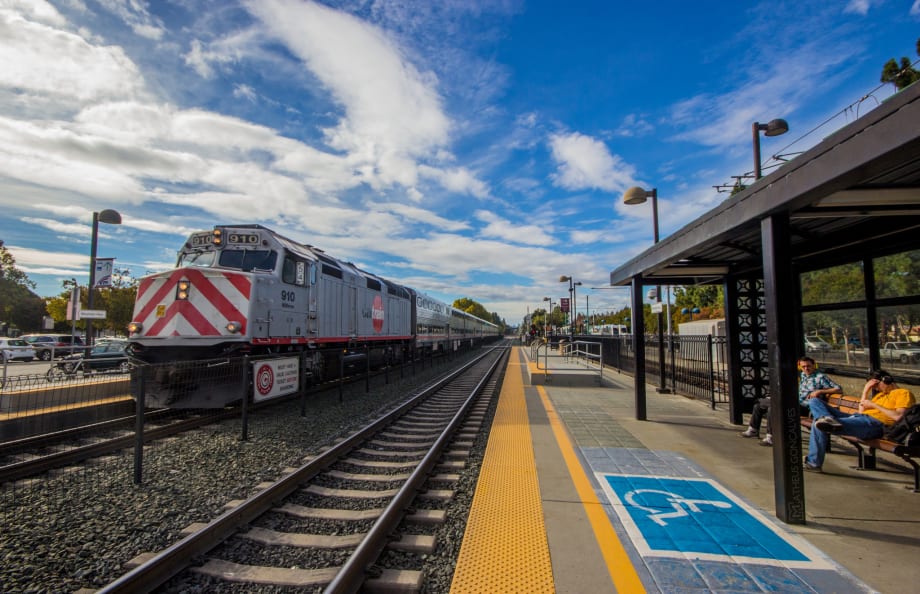
Caltrain Mountain View Station

Photo: Matheus Gonçalves/Flickr

2 min to read


Michael Burns, who retired as the Chief Executive Officer for the Santa Clara Valley Transportation Authority in 2014, was selected to take the reins of the Caltrain Modernization Program. The Caltrain Modernization Program — the most transformative project in the rail system’s 150-year history — will electrify the system and provide electric vehicles to operate with the electrified infrastructure.

Burns was appointed Interim-Chief, Caltrain Modernization Officer. He will begin his new role Monday, Feb. 8.

He began working with the Modernization team in 2015 to support planning for Caltrain initiatives in San Francisco and ongoing coordination with High Speed Rail for early investment program and the blended system.

“The Caltrain Modernization Program is the largest, most important, improvement project in the system’s 150-year history,” said Jim Hartnett, Caltrain’s Executive Director. “Michael has more than 40 years of experience, the majority of which was spent overseeing rail programs across the country. Under Michael’s leadership, VTA received the federal funding needed to finally bring BART to San Jose. I’m thrilled that he will be leading our team towards Modernization.”


Ad Loading...

Burns replaces outgoing Chief Caltrain Modernization Officer, Marian Lee. Lee joined the San Mateo County Transit District in 2007 as Director of Planning, she took over the CalMod program in 2010. Lee’s contributions were pivotal in helping to create a community dialogue around the system’s needs and address community concerns.

Lee will begin her new role as the Assistant City Manager with South San Francisco later this month. 


The Caltrain Modernization Program includes the electrification of the existing Caltrain corridor between San Francisco and San Jose; the installation of a Communications Based Overlay Signal System Positive Train Control (CBOSS PTC), which is an advanced signal system that includes federally-mandated safety improvements; and the replacement of Caltrain’s diesel trains with high-performance electric trains called Electric Multiple Units.

The $1.7 billion program is funded through a nine-party agreement that leverages local, regional and federal funding to match $705 million in voter-approved high-speed rail bond revenues.

More Management

Cover photo for A Practical Guide for Selling to Private Equity
MotorcoachApril 3, 2026

How Motorcoach Operators Can Prepare for a Private Equity Sale

Essential strategies to strengthen your business before entering a private equity transaction.

Read More →
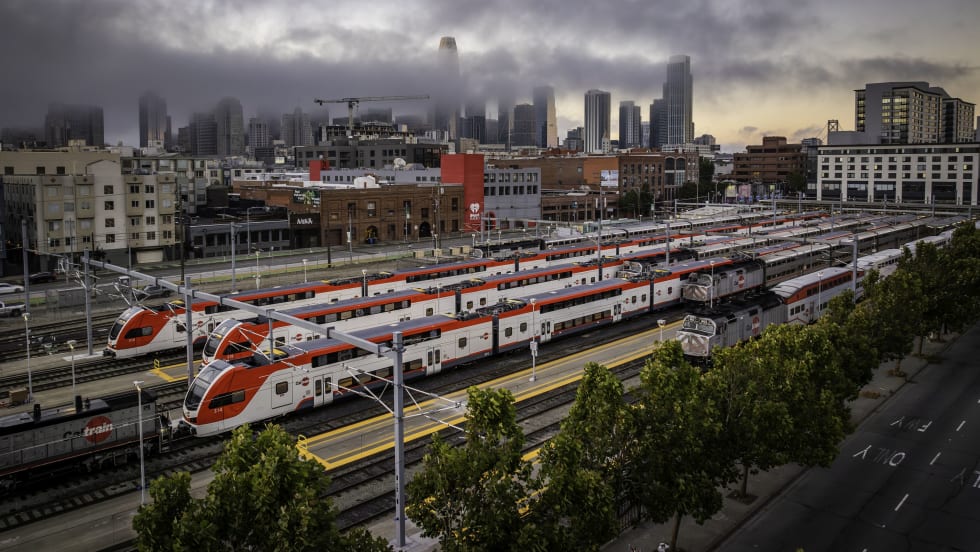
A fleet of Caltrain electrified trains on tracks
Railby StaffApril 3, 2026

Funding Gap Could Force Caltrain to Slash Service, Close Stations

The Peninsula Corridor Joint Powers Board recently met for a budget workshop, during which staff outlined the significant service reductions Caltrain could be forced to make without new external funding. 

Read More →
METRO's People Movement with MCI President Rob Marion
Managementby Staff and News ReportsApril 3, 2026

NFI Group Taps New MCI President and More in People Movement

In this edition, we cover recent appointments and announcements at Alstom, VIA Metropolitan Transit, Transdev US, and more, showcasing the individuals helping to shape the future of transportation.

Read More →
Ad Loading...
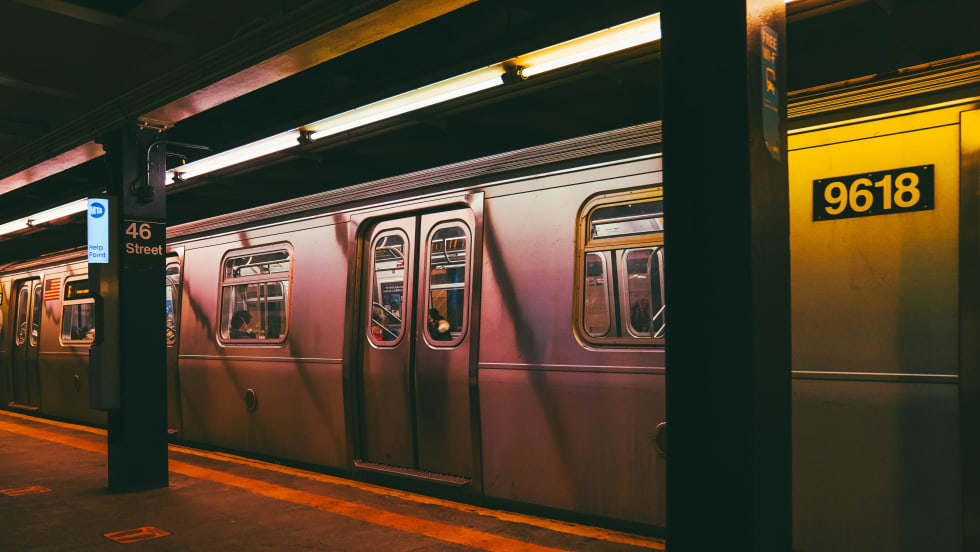
A subway train stopped at the 48th Street platform in Manhattan.
Managementby Staff and News ReportsApril 1, 2026

Manhattan’s Central Business District Travel Climbs to 6.3 Million Daily Trips as Transit Leads Growth

Although volumes remain below pre-pandemic levels, NYMTC’s latest Hub Bound report shows rising transit use, shifting commute patterns, and continued recovery.

Read More →
frontrunner bus
SponsoredApril 1, 2026

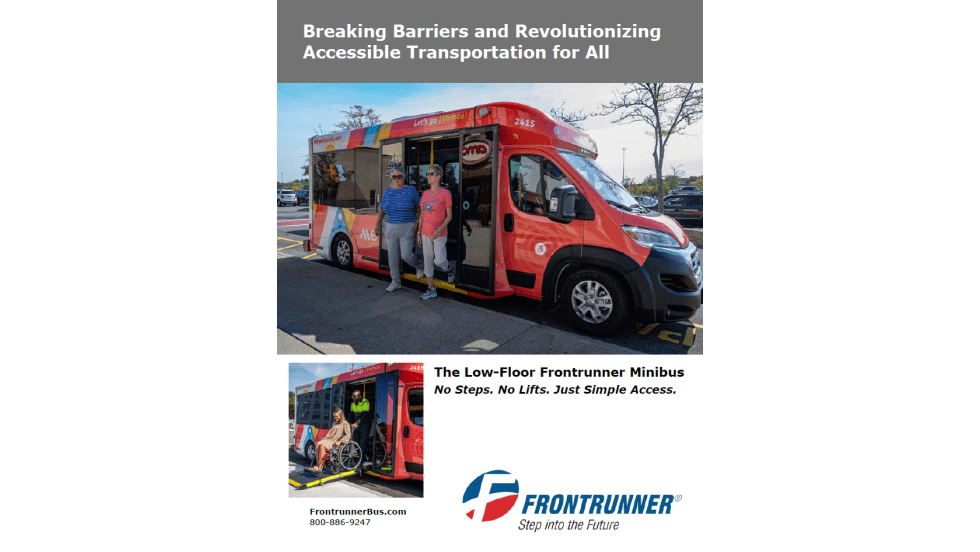
Breaking Accessibility Barriers with the Low Floor Frontrunner Minibus

Accessible transit isn’t a feature—it’s a responsibility. This whitepaper explores how the Low-Floor Frontrunner is redefining mobility with a breakthrough design that removes barriers, empowers riders, and delivers measurable operational advantages for agencies. Discover why this next generation minibus is setting a new standard for inclusive transportation.

Read More →
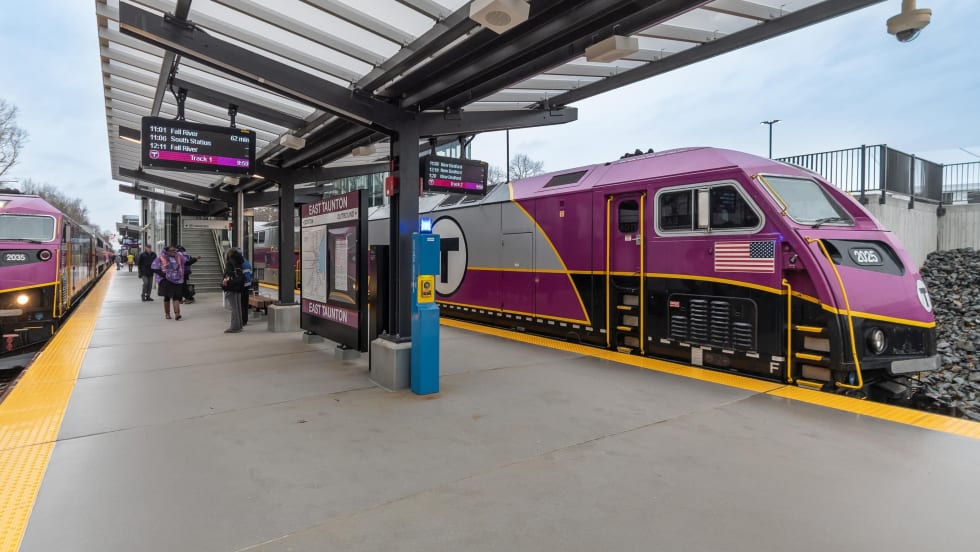
An MBTA commuter rail at a station.
Railby StaffMarch 31, 2026

Massachusetts Announces Summer Savings for Commuter Rail Riders

With major events and increased travel expected across the state this summer, the Administration is focused on making sure people have a reliable, affordable alternative to driving so we can reduce congestion, support daily commuters, and keep Massachusetts moving.

Read More →
Ad Loading...
A MARTA employee using the new Better Breeze fare ticket machines.
Managementby StaffMarch 30, 2026

Updated: MARTA’s New 'Better Breeze' Fare System Goes Live

The new system introduces tap-to-pay, touchscreen kiosks, and updated Breeze cards, with both old and new systems running through May.

Read More →
ABA Marketplace Report
Motorcoachby StaffMarch 30, 2026

ABA Marketplace Drives $124.9M in Business, New Report Finds

As the American Bus Association marks its 100th year, a new ABA Foundation report highlights the Marketplace’s role as a key revenue engine for the bus and group travel industry.

Read More →
Coach USA, Samsara cover shot
Technologyby Alex RomanMarch 30, 2026

How Coach USA Is Using AI to Prevent Bus Accidents

As motorcoaches navigate increasingly congested urban corridors filled with pedestrians, cyclists, scooters, and distracted drivers, safety leaders across the industry are confronting a growing challenge: visibility.

Read More →
Ad Loading...
Five different gold commemorative Smart Trip card designs.
Managementby StaffMarch 27, 2026

WMATA Proposes Revised FY2027 Budget as System Marks 50 Years of Service

Updated financial plan reflects ridership growth and cost controls as the Washington region’s transit system celebrates five decades of operations.

Read More →