



Chicago agencies release new Ventra mobile payment app
The app is the first of its kind to allow customers to pay for rides on all three transit systems — CTA, Metra and Pace — from their mobile devices, transforming the way people across Chicago take transit each day.

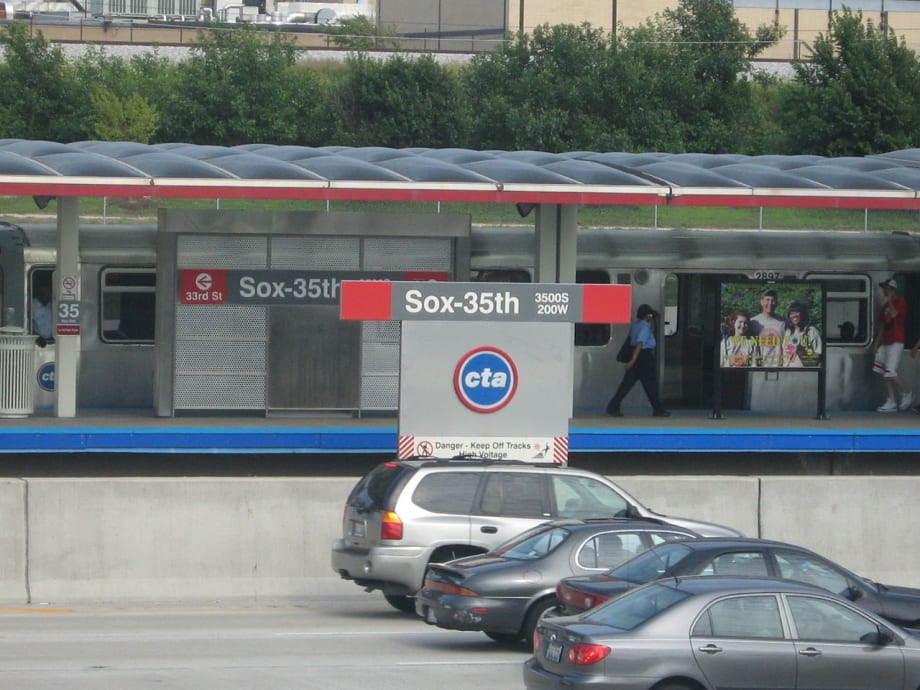

The Chicago Transit Authority (CTA), Metra and Pace launched the new Ventra App, making the free app now available for download and use on Apple and Android smartphone and tablet devices via www.ventrachicago.com, the App Store and Google Play.
The Ventra App is the first of its kind to allow customers to pay for rides on all three transit systems — CTA, Metra and Pace — from their mobile devices, transforming the way people across Chicago take transit each day. Developed jointly by CTA, Metra and Pace, and funded by the Regional Transportation Authority (RTA)’s “Innovation, Coordination and Enhancement” (ICE) program, the app provides riders with a “one-stop shopping” experience that essentially puts both a Ventra vending machine and a Metra ticket vending machine in customers’ pockets.
The app offers customers a wide range of functionality — including some never before available on phones — including account management, loading of transit value/passes, account notifications and integrated mobile ticketing on Metra. It also provides access to real-time transit tracker information for CTA, Metra and Pace all in one place. Future phases will offer additional services and conveniences.
“CTA, Metra and Pace have worked together closely to bring this app to life and we’re very pleased with the result,” said CTA President Dorval R. Carter Jr. “With this new app, customers for the first time ever have access to a one-stop shopping experience for transportation across the Chicago area through their mobile devices. As customers use the app, we look forward to hearing about their experiences, which will shape updates to the app going forward.”
The Ventra App allows Metra customers who use a smartphone to buy any type of Metra ticket with a credit or debit card or a Ventra account. The Metra mobile ticket is stored on the smartphone and customers can activate it when boarding the train and display it on the phone’s screen when the train conductor checks for tickets. If a Metra customer wishes to create a Ventra account in the app, they can buy Metra mobile tickets more quickly and recover them if the phone is lost, stolen, damaged or replaced.
Later phases planned for 2016 will provide additional account management features (e.g. card ordering, replacing a lost/stolen card) and a door-to-door trip planner with service information for CTA, Metra and Pace that allows customers to navigate the region from door to door using all three transit systems.
Also in a later phase, the app will allow customers to download a virtual Ventra card onto their Near Field Communication-compatible mobile devices, which will allow them to access their Ventra transit accounts to pay for rides on CTA trains and CTA and Pace buses directly from the Ventra App by touching the phone or device to a Ventra reader.
In the future, the CTA, Metra and Pace also intend to explore offering advertising on the app, which could include customized promotional content that customers would voluntarily select to receive – similar to other apps. Any in-app advertising or promotional functionality would only be launched with the approval of CTA, Metra and Pace consistent with agency policies including advertising guidelines.
More Management

METRO Opens Submissions for 2026 Motorcoach Awards
Nominations are now being accepted for METRO Magazine’s Operator of the Year and Innovative Operator of the Year awards.
Read More →
New York MTA Advances Final Contract for Second Avenue Subway Expansion
Contract Four is the largest in the Second Avenue Subway Phase 2 project and includes construction of station infrastructure, tracks, and signals for the subway expansion, MTA officials said. Work on Contract Four will begin in 2027.
Read More →
Transit Agencies Highlight Safety Gains at National Summit
Leaders from 15 major transit systems shared crime-reduction results and safety initiatives while discussing the role of continued federal support.
Read More →

NITA Names New Leadership, Expands Reduced-Fare Program at First Board Meeting
The new regional transit authority appointed its first board chair and interim executive director while extending reduced fares across CTA, Metra, and Pace for eligible riders.
Read More →
Beyond the Checklist: A Structured Approach to Transit Maintenance
Reliability-Centered Maintenance helps transit agencies move beyond routine checklists to focus limited resources on the assets and failures that have the greatest impact on safety, reliability, and service.
Read More →
APTA 2026 Nominating Committee Selects Leadership Slate, Names Chair and Vice Chair Nominees
Leadership changes will help shape the association’s priorities and its representation of the transportation industry during the 2026–2027 term.
Read More →
DART Launches Major Security, Fare Enforcement Initiative
The 90-day demonstration will deploy coordinated security teams at five light rail stations while testing controlled access and gathering data to guide future investments.
Read More →
Advancing Fare Collection Through Technology and Innovation
Learn about delivering 1300 gates at 91 stations while managing fare evasion. Explore the large scale deployment, solution customization and real-world results that affect the region. Prepare for deployment in your region now.
Read More →
Game Day in Motion: Moving Millions During the 2026 World Cup
Between packed transit stations and team motorcoaches, see how agencies and operators across North America tackled the transportation demands of the 2026 FIFA World Cup.
Read More →
Surface Transportation Extension Averts Shutdown, Leaves Transit Funding Gap
The stopgap keeps federal transportation programs moving, but missing advance funding could complicate the transit and rail projects agencies are planning next.
Read More →