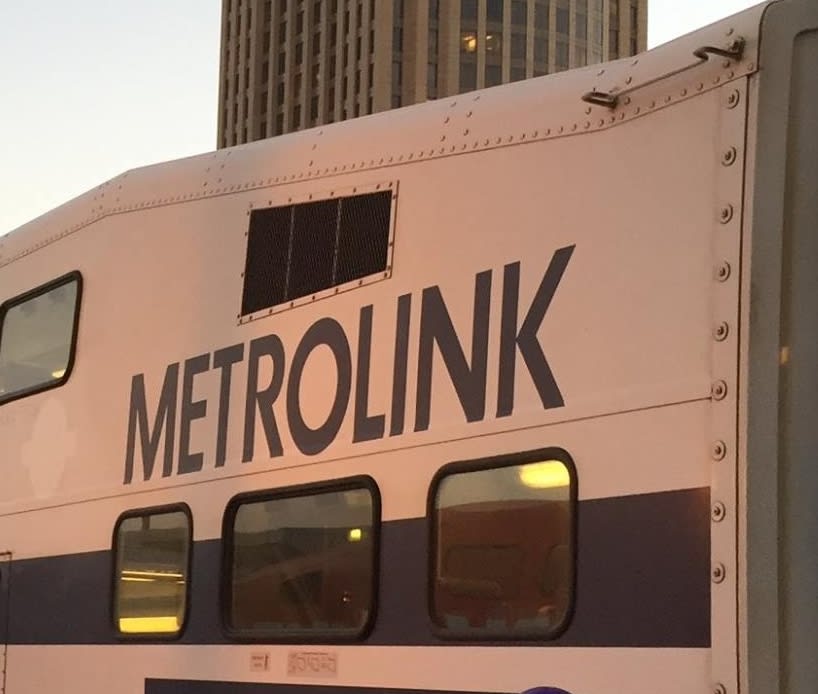
Calif.'s Metrolink operating PTC on 341 miles of agency-hosted lines
Following approval from the Federal Railroad Administration (FRA), Metrolink began operating PTC RSD on the last of Metrolink's hosted rail system on June 14. RSD simply means trains in revenue service or in Metrolink's case, with passengers on board.
Calif.’s Metrolink launched positive train control (PTC) in Revenue Service Demonstration (RSD) across the entire 341-mile network the agency owns earlier this month. With this latest accomplishment, Metrolink becomes the first railroad in the nation to have PTC running during regular service on all of its hosted lines and remains on track to become the nation's first passenger rail system to have a fully operational, interoperable and certified PTC system in place.
Following approval from the Federal Railroad Administration (FRA), Metrolink began operating PTC RSD on the last of Metrolink's hosted rail system on June 14. RSD simply means trains in revenue service or in Metrolink's case, with passengers on board.
Ad Loading...
"This is a time for us to pause, acknowledge how far we've come, and then double our efforts," said Chair of the Metrolink Board of Directors Shawn Nelson, who is also an Orange County supervisor. "From the beginning, our agency was committed to have our entire system fully operable with PTC before the December 2015 federal deadline."
Nelson also appreciated the Metrolink board of directors' commitment to enhancing the safety of its passengers by embracing PTC and becoming an early implementer of the life-saving technology, along with inward-facing cameras and collision energy management.
"The collaborative effort to make PTC a reality in Southern California is a tremendous undertaking. It is only with the support and diligence of our member agencies and our delegation advocating tirelessly on our behalf that we have reached this point," said Metrolink CEO Art Leahy.
Leahy added Metrolink's gratitude for the support of its local, state and federal legislative delegation and federal partners such as the Federal Transit Administration, the Federal Communications Commission and the National Transportation Safety Board.
The FRA has authorized Metrolink to operate PTC RSD using Wabtec's Interoperable Electronic Train Management System (I-ETMS) ®. Wabtec's I-ETMS® PTC System was selected by the four Class One freight railroads and by Amtrak outside of the northeast corridor as well as other commuter railroads including Metra and Coaster.
Ad Loading...
Parsons Transportation Group Inc., a business unit of Parsons Corp., is the primary contractor managing Metrolink's PTC program.
The current cost for developing, installing and deploying PTC on the Metrolink system is $216.4 million. The funding comes from a combination of federal, state and local sources. Approximately 85% of the funds come from state and local dollars. Investments were also made to upgrade and expand the existing communication network, which is necessary for PTC and other modern railroad operations.
Metrolink's PTC program is a significant undertaking that requires developing, testing, installing, and integrating an array of advanced systems and components. Aspects of the program include: the deployment on a back-office server system and new PTC-compatible computer-aided dispatch system; installation of on-board PTC equipment on 57 cab cars and 52 locomotives; installing signal communication devices at 168 wayside locations; and implementing a six-county specialized communication network to link the wayside signals, trains, and a new 24,000 square foot security-enhanced building to house the command and control equipment and personnel to dispatch the railroad at all times.
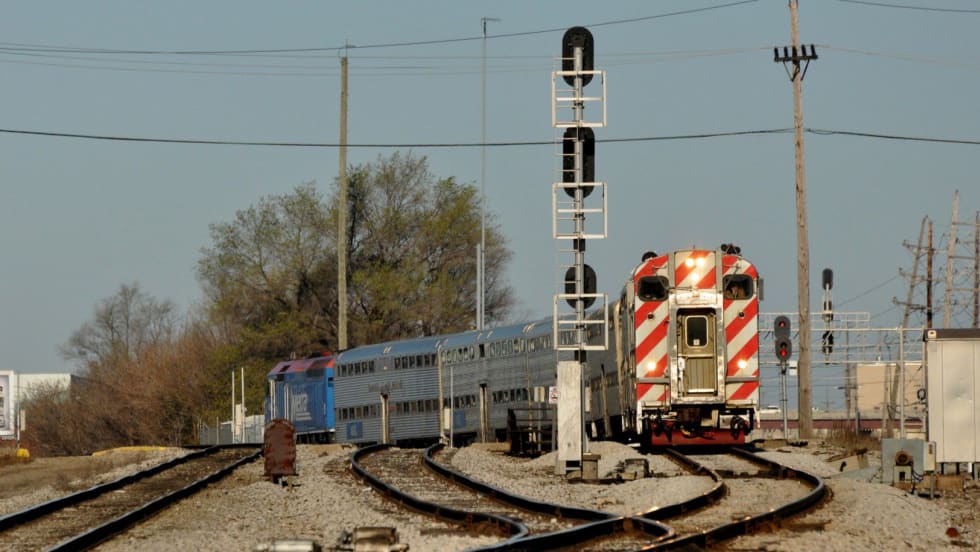
During a safety blitz, Metra employees will visit one of the railroad’s 243 stations during the morning rush hour, distributing educational materials on train and grade-crossing safety, answering questions, and listening to riders’ safety concerns.
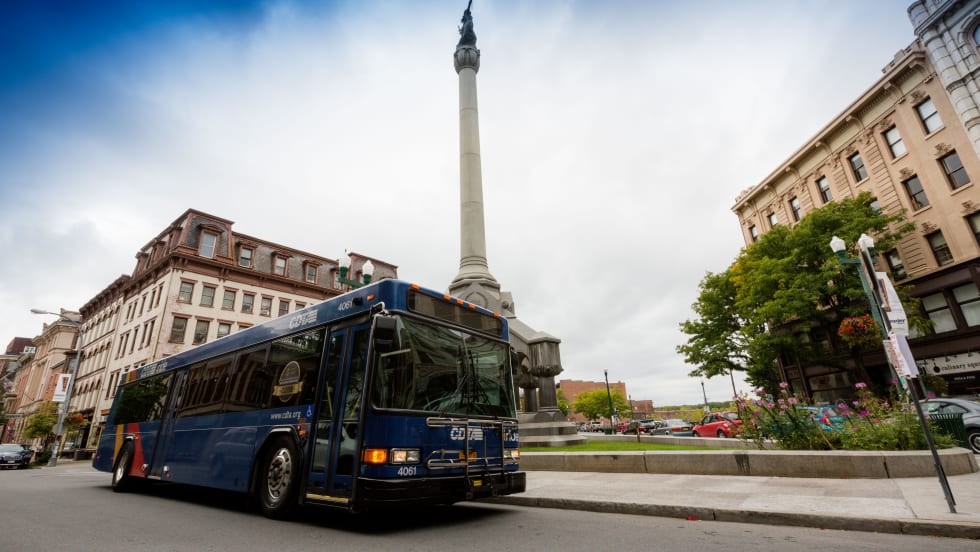
Operated in partnership with Tech Valley Security, trained CDTA Ambassadors will be on select routes and will rotate throughout CDTA’s route network. Their presence is intended to provide customers with an approachable, visible resource focused on assistance and engagement.
Customers have always been able to report concerns through the CATS Customer Service line or the “Report a Problem to CATS” feature in the CATS-Pass mobile app; however, CATS has also integrated a Text-a-Tip line, giving riders multiple, easy-to-use channels to get support.
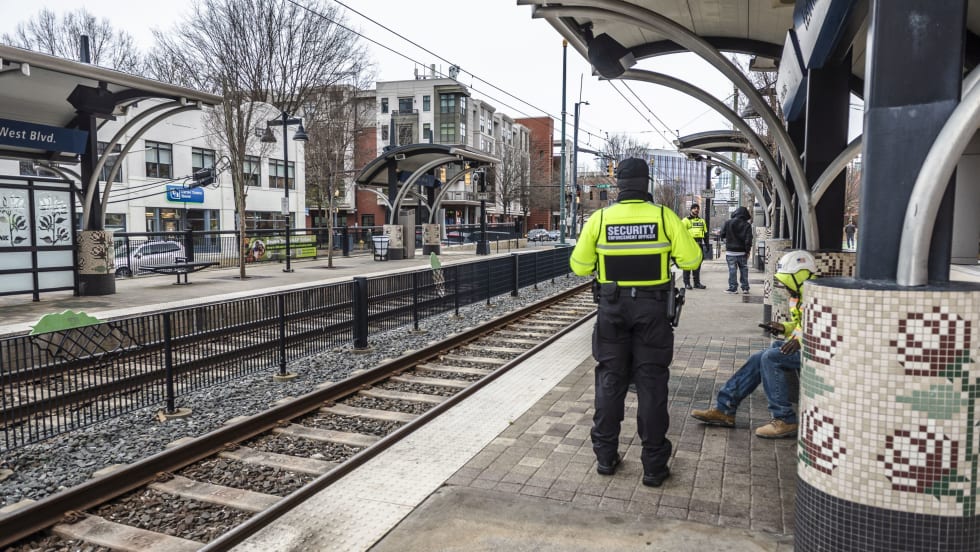
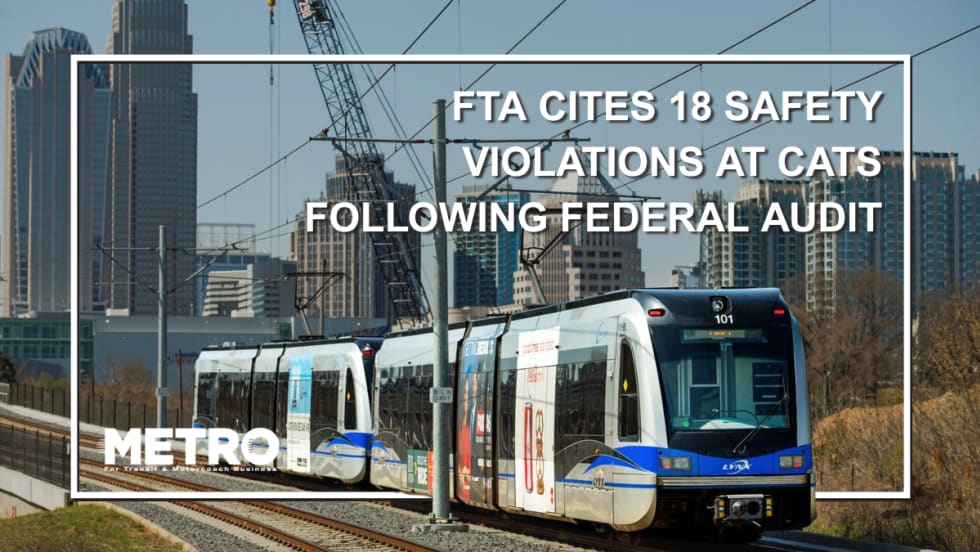
The audit found multiple safety compliance failures at the Charlotte agency, citing elevated assault risks and ordering corrective action within 30 days.
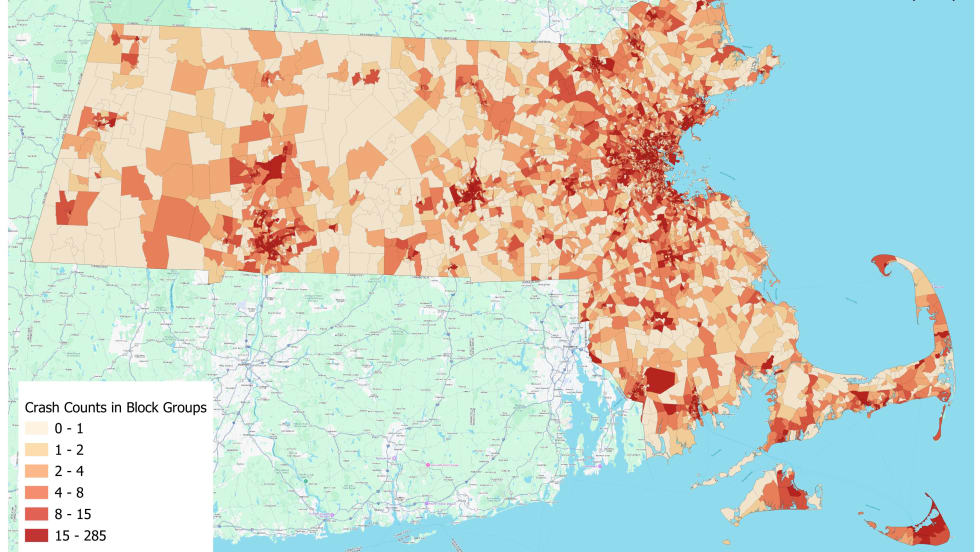
While their comprehensive analysis of bus stops focused on Massachusetts, the researchers are excited about the generalizability of the findings and application to other locations.
The new filters include substantially more activated carbon than traditional HVAC filters, which is especially helpful in providing a better transit riding experience for vulnerable populations, particularly children, seniors, and people with chronic illnesses, according to the CTA.
MCTS officials said the new pilots are part of a broader commitment to improving the rider experience through proactive, visible safety strategies that balance enforcement with customer support.
In a recent episode of METROspectives, LYT CEO Timothy Menard discusses how artificial intelligence, cloud connectivity, and real-time data are transforming traffic management, boosting bus reliability, and enabling system-wide transit optimization across cities.