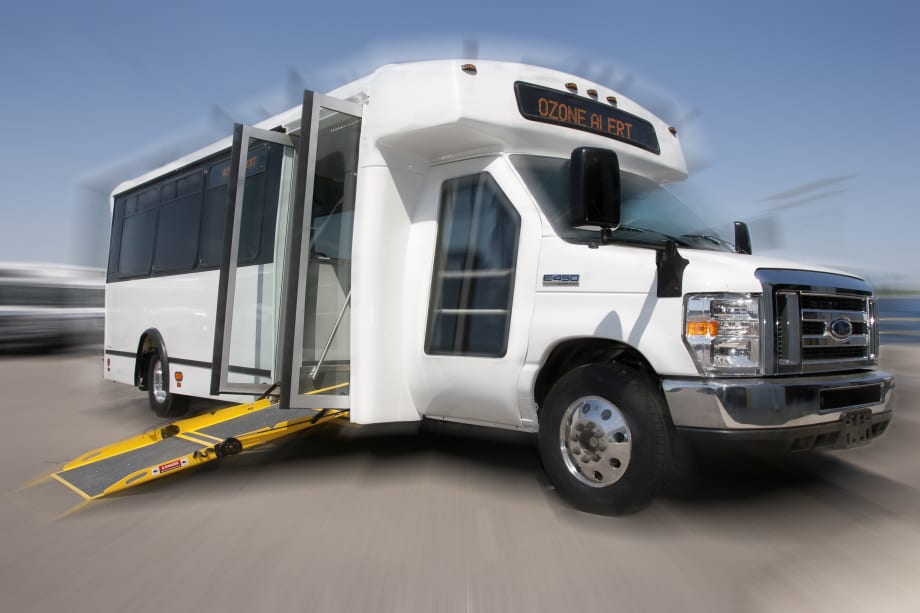
The new website provides a more compelling and user-friendly experience that allows visitors to access updated product information faster and also connect with the company through its various social media channels
Champion Bus Inc., manufacturer of small- to mid-size and custom commercial buses, launched its new website, featuring a new corporate brand identity.
The new website provides a more compelling and user-friendly experience that allows visitors to access updated product information faster and also connect with the company through its various social media channels. A new logo featuring a fresh color scheme has been designed to communicate the company’s dedication to product innovation, quality and safety.
Ad Loading...
“Our bus designs are constantly evolving as we continue to introduce models with new features and options consistent with our strong commitment to building the safest and highest quality products in the industry," John Resnik, president, said. "Since our brand identity and website need to communicate this commitment, we felt it was necessary to update our logo and brand colors and also redesign the website, which is our storefront to the world. We are very proud of our new look.”
The new logo is a more modern design that retains legacy elements from the most recent version, such as a laurel wreath and the color blue, which have brand equity with the company’s vast dealer network and its loyal customers.
The new logo also incorporates fresh elements such as a shield to represent the company’s dedication to safety and a star to communicate its commitment to American craftsmanship and quality. The custom font designed for the Champion Bus trademark retains the legacy color blue but in a darker shade.
Resnik added that the company’s website will mirror its product development strategy with new interactive features and rich content to be introduced in the future.
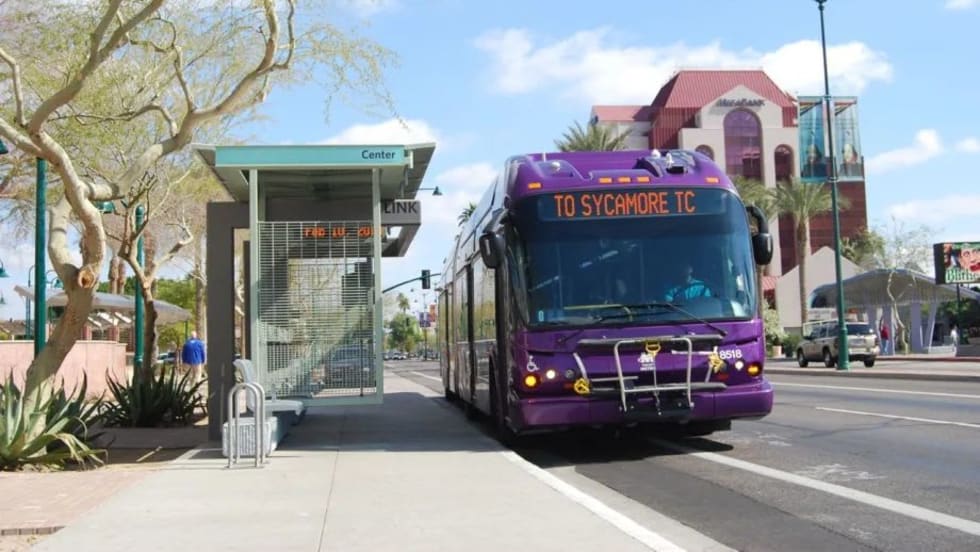
Under this extension, Keolis will continue to manage and operate fixed-route bus service across the East Valley, serving communities including Tempe, Mesa, Chandler, Scottsdale, the town of Gilbert, parts of Phoenix, and the Gila River Indian Community.
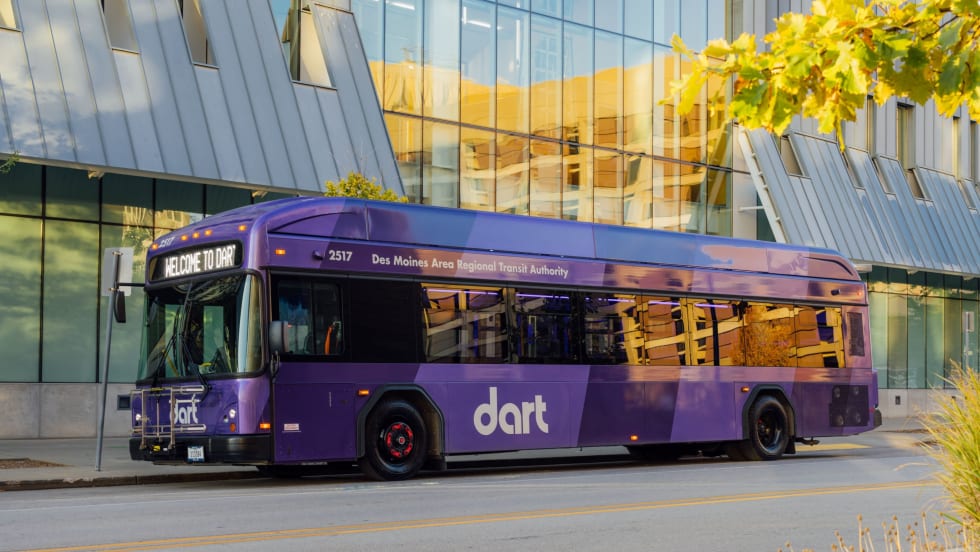
The new network reflects extensive input from riders and the community through Reimagine DART on what matters most in public transit — and those priorities are reflected in the changes ahead.
While recognizing regional economic constraints and continuing to improve service, the budget increases the jurisdictional subsidy to less than 1.8%, significantly below the inflation rate and the 3% regional target, said agency officials.
Coalition leaders outline priorities for preserving bus funding, maintaining competitive grants, and ensuring flexibility for transit agencies nationwide.
In the coming months, the parties will develop an interlocal agreement for the city’s annexation into Community Transit’s district. The proposal will be considered by the Everett City Council and the Community Transit board this fall, said officials.
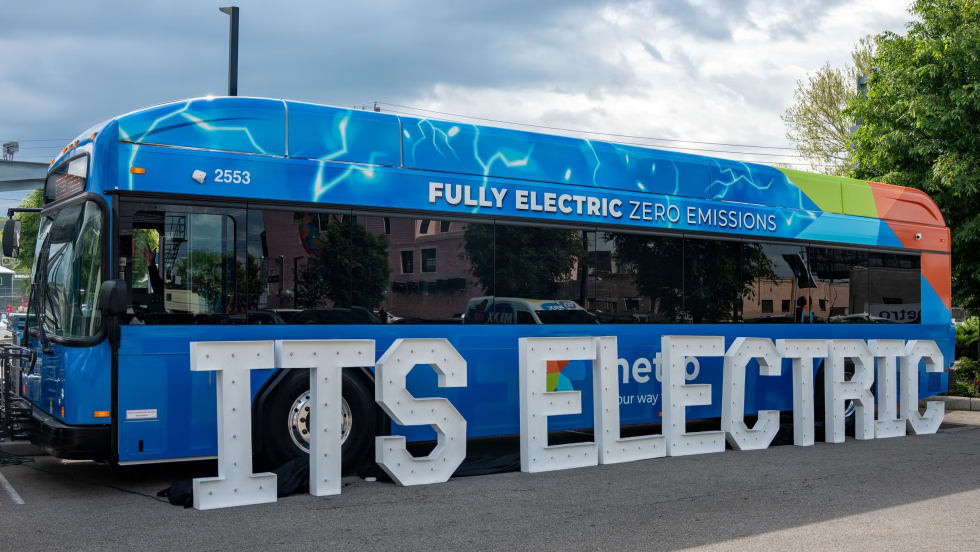
Two battery-electric buses entered service on Earth Day, with four additional vehicles expected to join the fleet this summer. Seven more buses are planned for the end of 2027, bringing Metro’s total zero-emission fleet to 13.
A 5% rise in deliveries and a surge in zero-emission buses signaled progress in 2025, but high costs, long lead times, and shifting funding priorities continue to cloud the outlook.
The agencies, San Diego MTS and NCTD - San Diego Railroad, which share a fare system (PRONTO), proposed the changes to help address their respective financial sustainability strategies.
The project was awarded under the Washington State Contract, enabling FAX to streamline its procurement processes while ensuring value and quality from an experienced transit solutions provider, said officials.