




RELATED: CTA contract enables SBEs to bid directly on projects
CTA to pilot all-door boarding on two bus routes
Has the potential to reduce boarding times by as much as 50% and improve the overall customer experience.
February 24, 2020
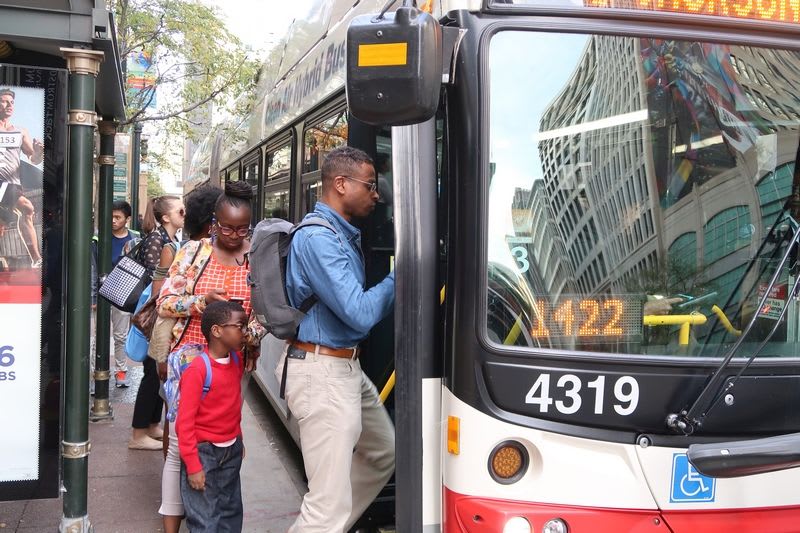
The new pilot is the latest in a series of improvements being made as part of Mayor Lori E. Lightfoot and CTA President Dorval R. Carter Jr.’s ongoing commitment to improve the speed, reliability, and customer experience of CTA’s bus service.
Active Transportation Alliance
2 min to read
The new pilot is the latest in a series of improvements being made as part of Mayor Lori E. Lightfoot and CTA President Dorval R. Carter Jr.’s ongoing commitment to improve the speed, reliability, and customer experience of CTA’s bus service.
Active Transportation Alliance
To help improve the speed and reliability of bus service and to enhance the customer experience, the Chicago Transit Authority (CTA) will launch a pilot that will allow bus riders to board and pay using both the rear and front doors of buses operating along two routes.
The pilot is the latest in a series of improvements being made as part of Mayor Lori E. Lightfoot and CTA President Dorval R. Carter Jr.’s ongoing commitment to improve the speed, reliability, and customer experience of CTA’s bus service, including investing $20 million in the Bus Priority Zones program over the next few years.
Beginning this summer, bus riders traveling the #J14 and #192 routes will be able to use their Ventra cards, contactless credit cards, and bank cards, including those cards on mobile devices, to board and pay using either the rear or front doors of the bus. Riders paying with cash will continue to board through the front doors.
Allowing riders to use both sets of doors to pay has the potential to reduce boarding times by as much as 50% and improve the overall customer experience, according to the CTA. The two routes were selected for this six-month pilot due to their limited, high-volume stops. Routes with high-volume stops take longer to board passengers, which can create a ripple effect of delays along the entire route.
The initiative complements other recent pilots that allowed CTA riders at high-volume boarding locations to pre-pay their fares before boarding buses. One such pilot was conducted at the Belmont Blue Line station and resulted in the reduction of bus boarding times by more than 50% during the evening commute. That pilot was made permanent as part of the 2019 rehab of the Belmont Blue Line station, which included a dedicated pre-paid bus boarding area.
As with all pilots, CTA personnel will evaluate bus and ridership data, as well as solicit customer feedback along the two routes. Funding for this pilot is a mix of federal grant funds and CTA’s operating budget.
More Bus

More Than a Summer Job: Building the Next Generation of Transit Talent
The Delaware River Port Authority and PATCO have transformed their internship program into a hands-on professional development experience that introduces students to the breadth of transportation careers — and creates a pipeline for future employees.
Read More →
LA Metro Board Awards 220 Battery-Electric Bus Contract to ENC
The contract, which is the largest base award of battery-electric buses by a U.S. transit agency, will be built in Southern California, sustaining good jobs as LA prepares to welcome the world in 2028
Read More →
Public Transit Conference Returning to GFX in 2027, Call for Papers Now Open
The Call for Papers is now open, allowing transit agency professionals and industry experts to help shape the PTC educational program by submitting session ideas for consideration.
Read More →
Indian River Transit’s Community-Focused Approach Earns National Recognition
Named APTA’s 2026 Outstanding Public Transportation System in its size category, Florida’s Indian River County transit system continues to grow ridership through fare-free service and a focus on evolving community needs.
Read More →
ENC Lands MATA Contract and More in Biz Briefs
In this edition of Biz Briefs, we spotlight the latest developments shaping the future of mobility.
Read More →
From Surviving to Thriving: Building Stronger Transportation Organizations
Bus Business Consultants founder Brian Dickson shares lessons on leadership, organizational health, and creating options for long-term success in a changing transportation industry.
Read More →
Everett Transit, Community Transit Outline Consolidation Agreement
The proposed agreement calls for a 50% increase in bus service in Everett, a new microtransit zone, continued paratransit service, and the transfer of Everett Transit operations to Community Transit.
Read More →
SEPTA Details Accelerate Vision for Transit System
The plan outlines investments in trolley modernization, new Metro and Regional Rail vehicles, accessible stations, and more frequent bus and rail service.
Read More →
Report: Transit Bus Manufacturing Supports 34,100 Jobs, $5.1B in GDP
The “Buses Mean Business” report examines the transit bus manufacturing industry’s economic footprint, supply chain, and rising demand for vehicle replacements.
Read More →
Biz Briefs: New Flyer Delivers in Columbus, Houston, Beep and Freebee Merge, and More
In this edition of Biz Briefs, we spotlight the latest developments shaping the future of mobility.
Read More →