



AMPLY, AECOM Partner to Bolster Bus Electrification for Transit Agencies
The partnership provides transit agencies with a turnkey approach to optimize their infrastructure and operations for electrification.

By combining AMPLY’s operational expertise and unique Charging-as-a-Service technology with AECOM’s specialization in large-scale transportation and utility projects, the partnership provides transit agencies with a turnkey approach to optimize their infrastructure and operations for electrification.
AECOM/AMPLY
With transit agencies under pressure to electrify their fleets, AMPLY Power and AECOM announced a strategic partnership to help bus fleet owners address and accelerate their zero-emission initiatives. By combining AMPLY’s operational expertise and unique Charging-as-a-Service technology with AECOM’s specialization in large-scale transportation and utility projects, the partnership provides transit agencies with a turnkey approach to optimize their infrastructure and operations for electrification.
“This partnership is an important step in the transition toward 100 percent electric mobility,” said Andrew Bui, AECOM VP, National Transportation Innovation Lead. “Although 100 percent zero-emission transit bus goals are still years away, it’s critical to address now so that infrastructure and facilities can scale to support efficient electric operations. To facilitate moving fleets from pilot stage to full adoption, we believe this partnership offers what a fleet operator requires, from design and financing to fleet charging infrastructure implementation and management.”
AECOM specializes in supporting electric fleet conversions by creating efficient staging, optimizing infrastructure requirements, integrating new infrastructures like solar canopies, designing and coordinating utility infrastructure, and siting new facility locations. AMPLY brings their economical Charging-as-a-Service model to the table, which provides charging hardware deployment, management of depot upgrades and utility interconnections, real-time software-controlled charge optimization, debt financing of capital expenditures, and resiliency planning.
AMPLY Power recently broke ground on a project with the Anaheim Transportation Network (ATN), where they estimated a potential $4.8 million in fuel savings over the next 20 years for their 46 electric bus fleet. This builds on AMPLY’s 2020 whitepaper, which found that in over 84 percent of the top metropolitan areas in the U.S., it is cheaper to re-fuel electric trucks, buses, and passenger vehicles with electricity than fossil fuels. Through a service offering with a fixed price metered by utilization, fleet customers like ATN can draw a direct economic comparison to dispensing fossil fuel without upfront capital costs and operational uncertainty.
AECOM is currently working with Washington Metro Area Transit Authority (WMATA), initially on year-long planning efforts, and now leading facility design to accommodate WMATA’s 12 electric-bus pilot project — an important first step for WMATA as they aim to convert their entire fleet of over 1,500 buses to zero-emissions.
More Zero Emissions
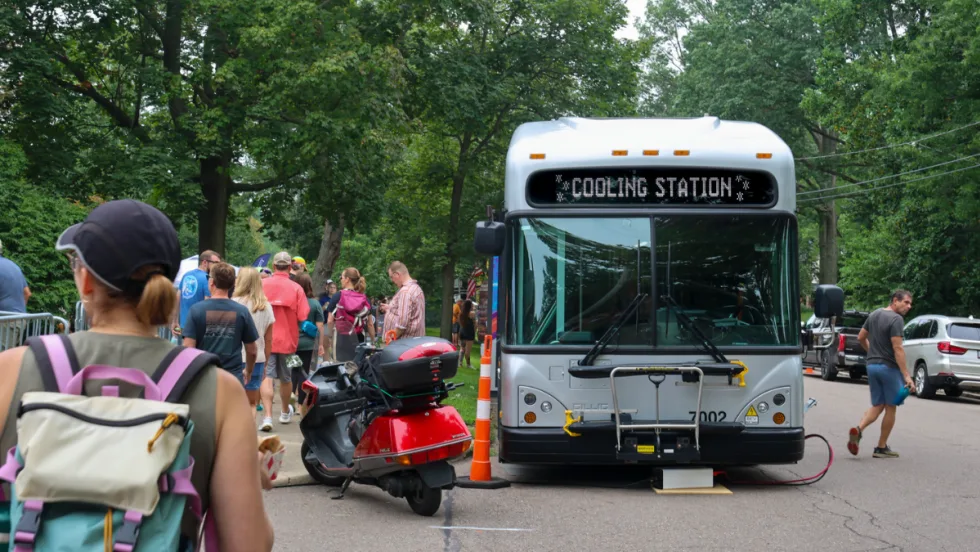
Ohio’s METRO RTA Turns Electric Buses into Mobile Power Sources at PorchROKR
See how three Gillig battery-electric buses powered festival stages while the agency’s new Park & Ride service carried approximately 1,000 attendees, demonstrating another potential use for transit agencies’ electric fleets.
Read More →
CALSTART and Forth Combine to Form Catalyst Mobility
The new name represents a renewed vision for the nonprofit focused on advancing clean, equitable, and affordable transportation solutions that move people and goods.
Read More →
Building a Flexible Path to Transit Electrification
John Hroncich discusses BAE Systems’ modular and scalable approach, lessons learned from decades of real-world operations, and how agencies can identify electrification strategies that fit their fleets.
Read More →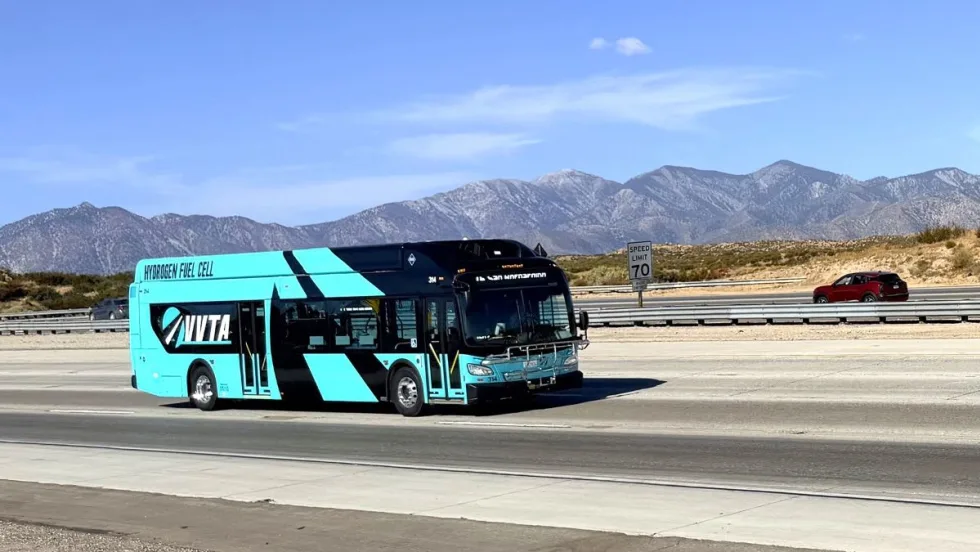
California's VVTA Begins Phased Rollout of Hydrogen Fuel Cell Buses
The agency is introducing 13 zero-emission buses into revenue service while evaluating performance across its urban, rural, and long-distance routes.
Read More →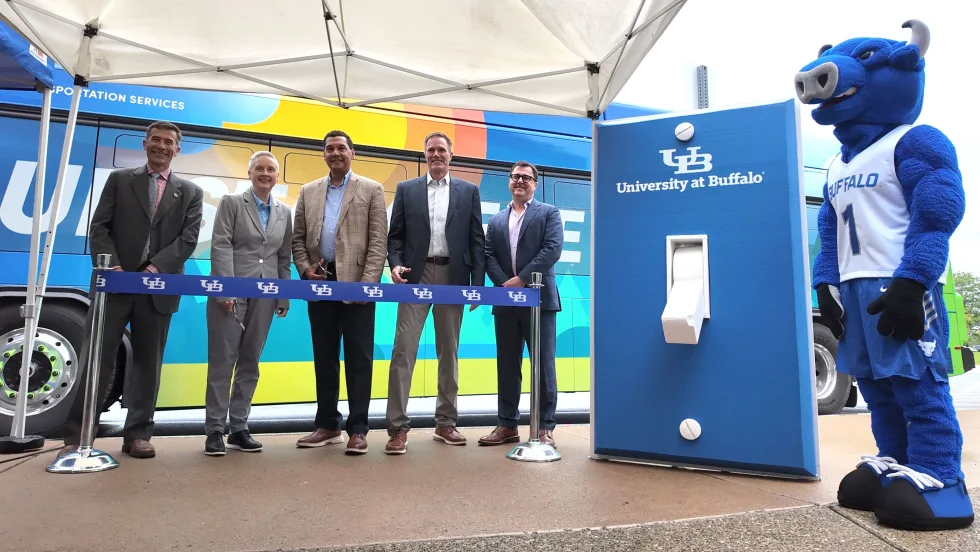
Inside Look: University at Buffalo Puts First 8 Electric Buses Into Stampede Service
UB, transportation solutions provider WeDriveU, and fleet electrification specialist Zenobē marked the deployment in the presence of students, university administrators, and local officials.
Read More →
Biz Briefs: OCTA Taps Clean Energy for Hydrogen Station, Stadler to Supply Via Rail Vehicles, and More
From manufacturers and suppliers to transit agencies and motorcoach operators, these updates offer a snapshot of the projects, partnerships and business moves driving the industry forward.
Read More →
AC Transit’s Cecil Blandon on Building the Next Generation of Transit Maintenance Leaders
The agency’s maintenance chief discusses leadership, workforce development, zero-emission technology, and preparing technicians for the future of public transportation.
Read More →
CTDOT Taps STV for Electric Bus Facility Design
The firm will work with CTDOT and RVT to define the facility layout, operational requirements, and long-term flexibility for RVT’s growing electric fleet.
Read More →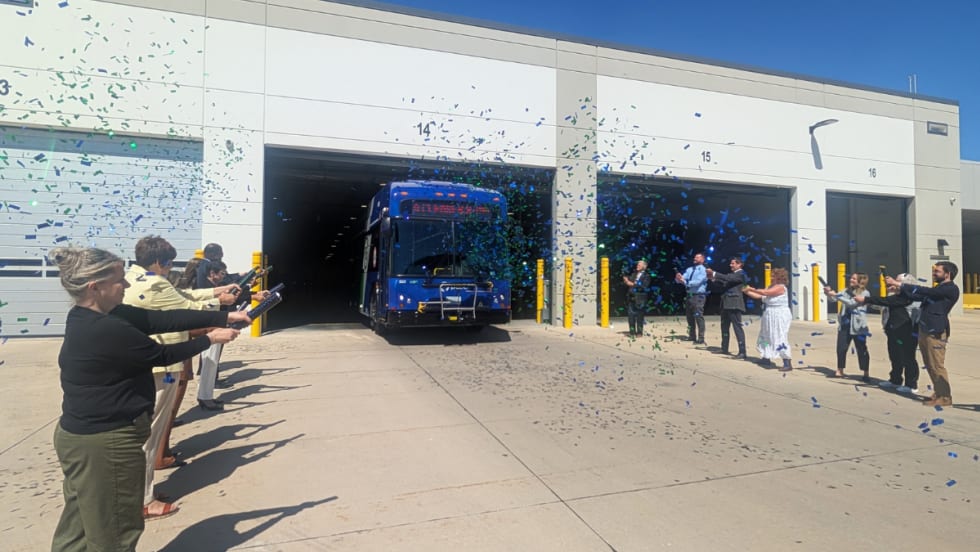
Chicago’s Pace Deploys 24 Hybrid-Electric Buses in Will County
The new buses reduce emissions and fuel consumption while advancing the agency's long-term goal of transitioning to a fully zero-emission fleet.
Read More →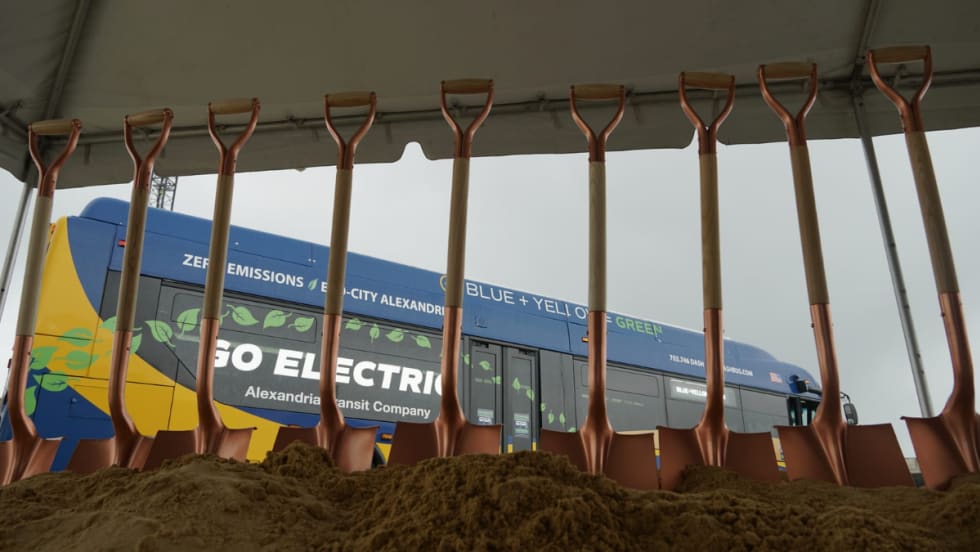
DASH Breaks Ground on First On-Route Electric Bus Chargers in D.C. Region
The fast-charging infrastructure will help extend electric bus range, improve fleet utilization, and support DASH's goal of transitioning to a fully zero-emission fleet.
Read More →