



Stadler Taps Knorr-Bremse for MARTA Railcar Brake Systems
The long-term contract includes braking systems for up to 254 railcars with an option for an additional 100 railcars.
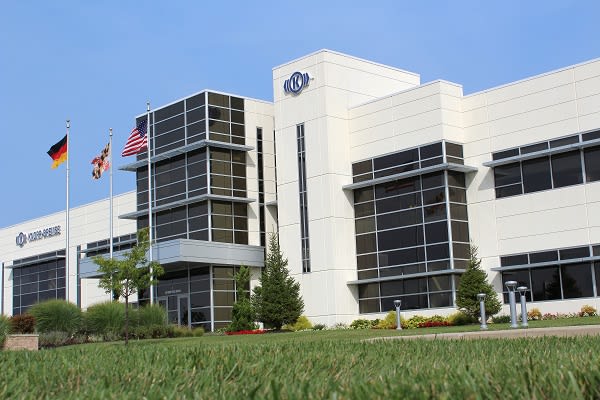
Most of the braking components will be produced at Knorr Brake Company’s Westminster, Maryland- based facility.
KBC
Stadler has selected Knorr Brake Company (KBC), Knorr-Bremse’s U.S. passenger rail subsidiary, to supply braking systems for up to 254 railcars for the Metropolitan Atlanta Rapid Transit Authority (MARTA).The long-term contract also includes an option for an additional 100 railcars.
Technologies include bogie brake equipment and the Knorr-Bremse PistonSupply Eco (VV80-T) oil-free compressor with dedicated air supply unit inverters designed and produced specifically for U.S. metro rail applications. Brake controls and wheel slide protection (WSP) dump valves are also a part of the agreement and will interface with the train control and management system (TCMS) via a platform developed by Selectron, Knorr-Bremse’s subsidiary for integrated digital and cyber security solutions.
While most of the braking components will be produced at KBC’s Westminster, Maryland-based facility, the vehicles will be manufactured by Stadler U.S. Inc. in its new Salt Lake City, Utah, plant and delivered to Atlanta to replace existing railcars. The initial deliveries from KBC are expected in the first quarter of 2022 and will run through the close of 2028.
More Rail

FTA Ends Direct Oversight of MBTA Safety Actions
The federal agency closed its remaining special directive to the Massachusetts Department of Public Utilities following a safety review that began in 2022.
Read More →
Amtrak, CN Reach Agreements to Strengthen Passenger Rail Service, Safety
The agreement resolves a more than decade-long proceeding before the Surface Transportation Board concerning the terms and conditions for Amtrak services, such as the City of New Orleans, Illini/Saluki, and Wolverine.
Read More →
New York MTA Advances Final Contract for Second Avenue Subway Expansion
Contract Four is the largest in the Second Avenue Subway Phase 2 project and includes construction of station infrastructure, tracks, and signals for the subway expansion, MTA officials said. Work on Contract Four will begin in 2027.
Read More →
San Diego MTS Breaks Monthly Trolley Ridership Record
Agency officials said July’s ridership indicates MTS’s continued recovery from the pandemic.
Read More →
Report Examines NJ TRANSIT Reliability, Funding Challenges
The Garden State Initiative analysis examines the roles of Amtrak infrastructure, fleet management, and agency operations while recommending a more performance-based approach to improving reliability.
Read More →
Stadler, CapMetro Sign Long-Term Rail Fleet Support Agreement
Beginning in 2027, Stadler will provide on-site technical expertise, spare parts support, training, and obsolescence management to help extend the reliability and longevity of CapMetro’s GTW fleet.
Read More →
Biz Briefs: Alstom Lands Canadian Contract, LYT to Supply California TSP, and More
In METRO's latest installment, we take a look at recent news from Complete Coach Works, Beep, FlixBus, and more partnerships making headlines across the transportation sector.
Read More →
CATS Gold Line Marks 5 Years of Service, 2.8M Passenger Trips
With a six-mile expansion planned, the Charlotte streetcar is positioned to connect more neighborhoods and major transit hubs across the region.
Read More →
Why Simulating Pedestrian Movement Has Become Essential for Modern Rail Stations
Pedestrian microsimulation is helping rail planners identify bottlenecks, test station designs, and prepare complex transit hubs for growing passenger volumes.
Read More →
Amtrak Begins Major Construction at New York’s Sunnyside Yard
The new maintenance facility will support Amtrak’s Airo trainsets while improving maintenance efficiency and turnaround times in New York.
Read More →