



70% of Seniors Embrace Self-Driving Cars, Says New Study
The survey was designed to better understand attitudes and perceptions about self-driving and ride hailing services.

Public transportation, taxis, and ride hailing services can be options for older adults.
The National Council on Aging (NCOA) and Volkswagen Group of America released the results of an online survey that reveals approximately 70% of older adults said they have trust in SDRH services and believe that such services could help them complete tasks outside the home.
The survey was designed to better understand attitudes and perceptions about self-driving and ride hailing (SDRH) services.
“Technology will play a key role in addressing challenges faced by older adults who are no longer able to drive,” said NCOA senior director Kathleen Cameron. “The five most important aspects of SDRH services for older adults are safety, quality of service, convenience, traffic, and overall comfort of riding in the vehicle.”
According to the study, 75% of respondents said they expect to use SDHR technologies in the future. Seventy-one percent agreed it would help them keep their independence.
Public transportation, taxis, and ride hailing services can be options for older adults. Alternatives to driving are not available in many rural areas.
An estimated 2,500 people over the age of 55 responded to the NCOA survey. The average age of respondents was 60. Sixty-four percent were male.
Seventy-five percent of the respondents were white, while 15% were Black/African American, 4.3% American Indian/Alaskan Native, and 30% Hispanic/Latino. Eighty-eight percent of the respondents were from metro areas, while 8% resided in suburban areas and 4% lived in rural areas.
More Security and Safety
What Transit Maintenance Facilities Should Know About Gas-Detection Placement
Proper gas-detector placement is critical to maintaining safety in transit maintenance facilities, requiring agencies to consider fleet fuel types, ventilation, shop operations, and ongoing equipment maintenance.
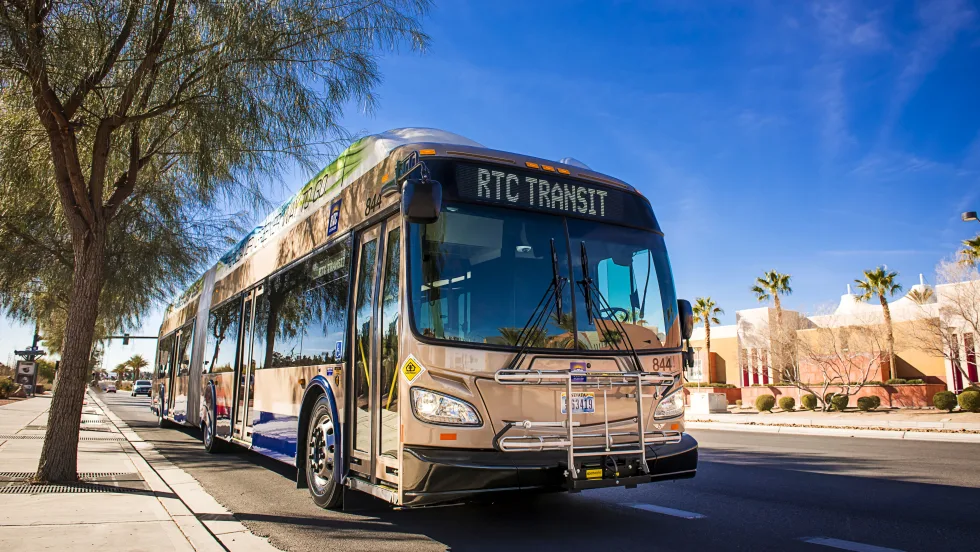
RTC Reports Nearly 29% Drop in Transit Operator Assaults
The Las Vegas agency credits expanded security measures, training, and technology for improved safety in FY 2026, while security officers have helped save 19 lives through overdose-response efforts.

Improving Transit Safety and Reliability Through AI
Hayden AI’s Chief Growth Officer, Charley Territo, discusses how AI-powered camera enforcement is helping transit agencies keep bus lanes and stops clear, improve accessibility, and move from pilot programs to full-scale deployments.

Study: Denver RTD Generates $2.1 Billion in Annual Economic Activity
An economic impact study finds the agency supports approximately 17,500 jobs, delivers $1.6 billion in annual community and mobility benefits, and generates $2.42 in economic value for every dollar invested.
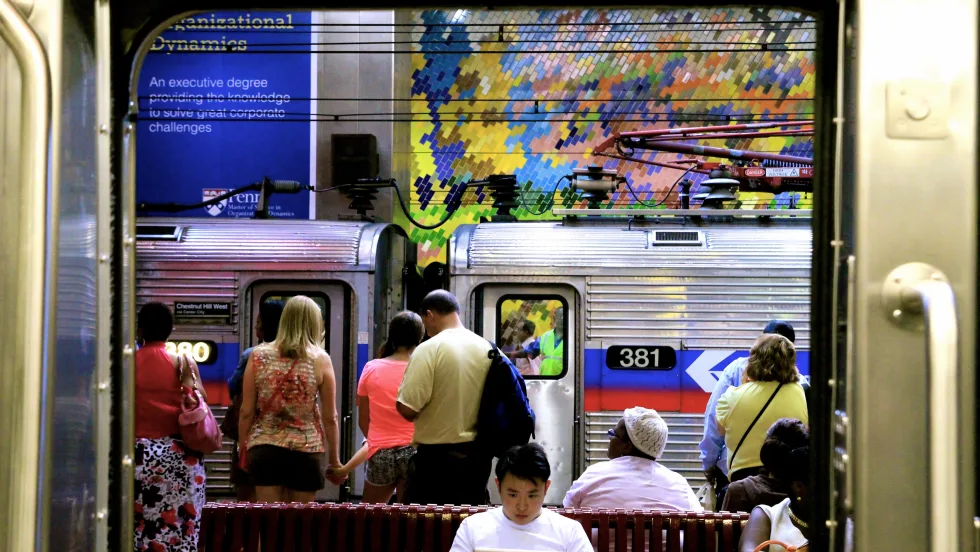
SEPTA Launches 'Reach' Program to Connect Vulnerable Individuals with Support
The initiative deploys specialists throughout Philadelphia’s transit system to connect individuals with housing, healthcare, and social services while addressing safety and quality-of-life concerns.
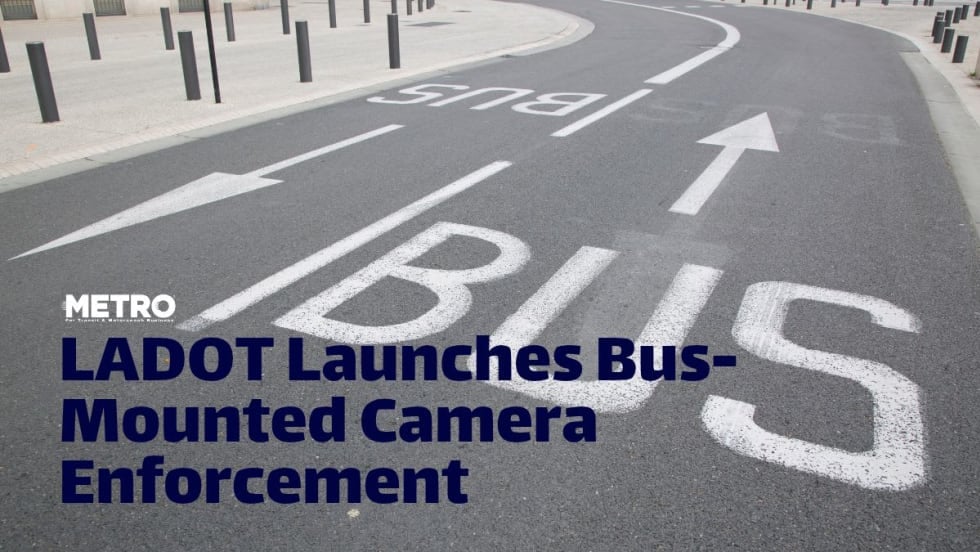
LADOT to Launch Bus-Mounted Camera Enforcement on DASH Buses
The program will begin with a 60-day warning period before citations are issued in January 2027, joining similar efforts across Southern California to improve bus reliability, safety, and accessibility.
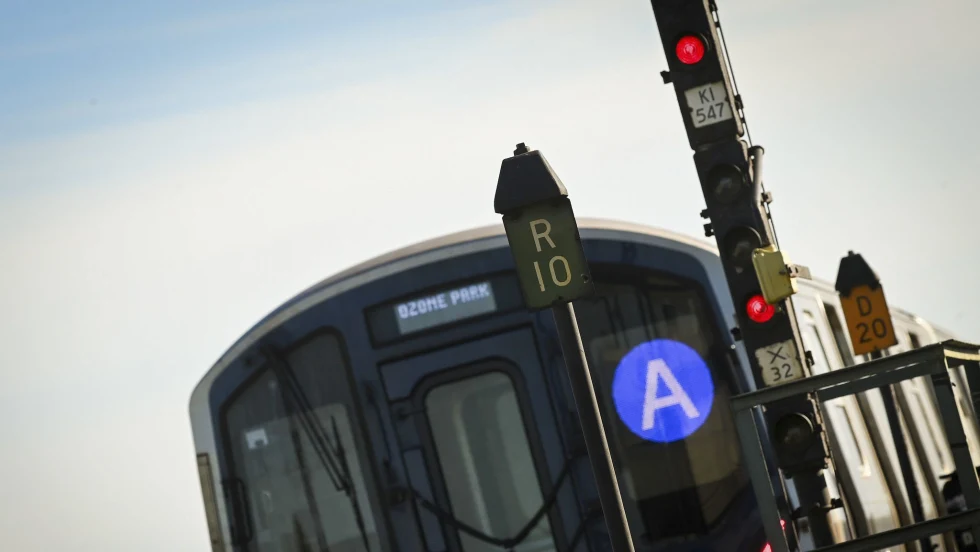
New York MTA Launches Historic $1.9B Signal, Track Modernization Project
Funded in part by congestion pricing revenue, the project will replace nearly century-old signals along the A and C lines in Brooklyn and Queens.

CSA Group Releases Climate Resilience Standard for Transit, Passenger Rail
Developed with support from the Standards Council of Canada, CSA D700 guides assessing climate-related risks and planning adaptation measures for transit and passenger rail systems.
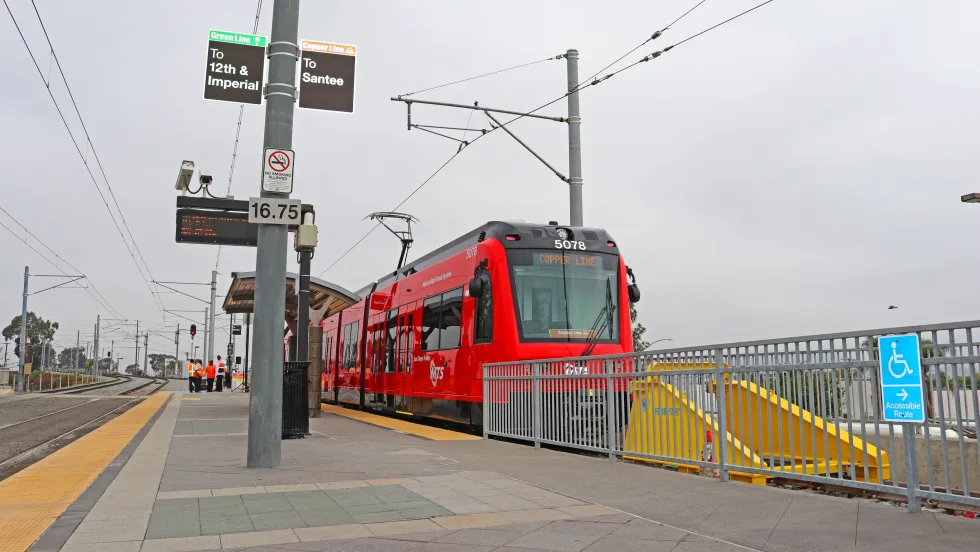
San Diego MTS Approves New Fare Evasion Penalty Program
The new administrative process will move eligible violations out of the criminal court system, cap penalties at $125, and provide flexible payment options for riders.
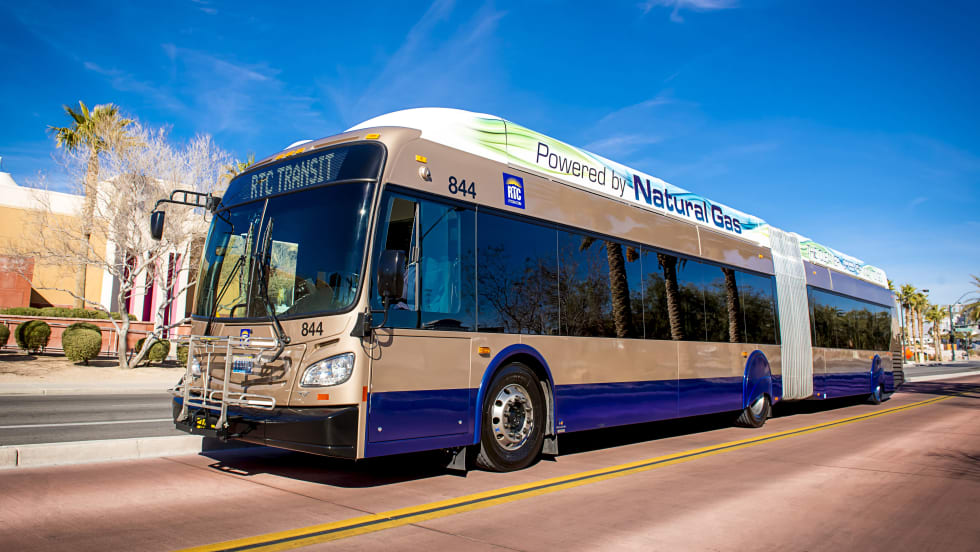
RTC of Southern Nevada Reports 29% Drop in Transit Operator Assaults
The agency credits expanded security measures, employee training, and technology investments for improvements in transit safety, while security officers have responded to 19 suspected overdoses since July.