



Related: Stantec’s Masterton Talks Commuter Systems, Working from Home
Stantec to Lead Strategic Plans for Transit-Oriented Communities
The planning programs will support the Federal Transit Administration’s (FTA) stated goals of increasing access to affordable housing options.
by Staff
August 20, 2021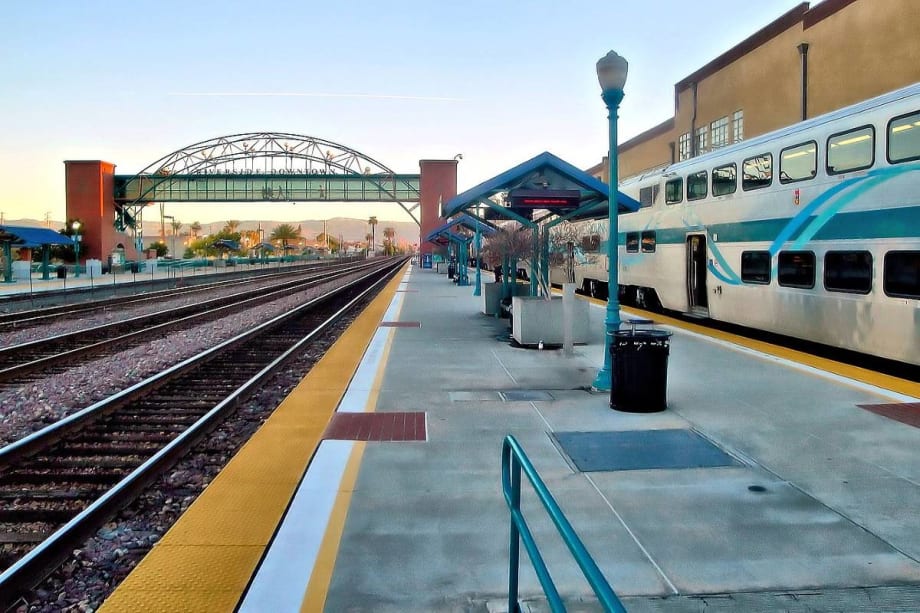
Stantec will identify barriers to building transit-supportive mixed-use development for each project.
Photo: Stantec
2 min to read
Stantec’s Urban Places practice will lead two Transit-Oriented Communities (TOC) programs, located in Raleigh, North Carolina and Riverside, California.
The planning programs will support the Federal Transit Administration’s (FTA) stated goals of increasing access to affordable housing options, combating climate change, advancing environmental justice initiatives, and promoting equitable delivery of infrastructure to underserved communities.
The programs are funded through the FTA’s transit-oriented development planning grant program.
Stantec will identify barriers to building transit-supportive mixed-use development for each project.
Stantec’s strategies:
Engaging members of the community on their needs
Examining ways new developments are approved,
Looking at regulations for parking or development that limit new development opportunity,
Recommending approaches to mitigate the adverse effects of gentrification
Understanding the physical barriers to better connect residents to transit
In Riverside, the TOC plan will address the Metrolink commuter line connecting communities in Riverside County to Los Angeles and Orange Counties for the Riverside County Transportation Commission (RCTC).
“The price of a single-family home in Riverside County has jumped over 30 percent in just the last year while wages have remained flat, making it increasingly difficult for many buyers to afford to live in the Inland Empire,” said Adam Maleitzke, Stantec’s project manager for the RCTC TOC Strategic Plan. “California is in a housing crisis, and this process is an opportunity to promote inclusive communities. The TOC Strategic Plan will be a resource for jurisdictions as they plan for a variety of new housing options, allowing more residents to live in walkable, affordable communities with excellent access to transit.”
In Raleigh, design is underway to add a bus rapid transit (BRT) route along New Bern Avenue. It is set for completion in 2023. Stantec’s process will be guided by the city’s Equitable Transit-Oriented Development Playbook, which will identify recommended zoning changes, new or expanded housing affordability and equity programs, urban design strategies, necessary first/last mile safety improvements, and other related considerations.
“Continued investment from government agencies to build better transit across the U.S. bodes well for the future of urban development,” said Craig Sklenar, project manager for the New Bern Avenue Station Area Planning project. “A holistic planning approach that considers community impact will yield improved outcomes – from better mobility options to opportunities for new amenities, housing, and jobs that meet the growing needs of evolving urban communities.”
More Management

LA Metro Board Approves 220 Battery-Electric Bus Contract to ENC
The contract, which is the largest base award of battery-electric buses by a U.S. transit agency, will be built in Southern California, sustaining good jobs as LA prepares to welcome the world in 2028
Read More →
What’s Behind San Diego MTS’s Award-Winning Transit Strategy
Named one of APTA’s 2026 Outstanding Public Transportation Systems with 50 million or more annual passenger trips, California’s San Diego Metropolitan Transit System points to gains in ridership, safety, technology, and reliability as foundations of its success.
Read More →
Public Transit Conference Returning to GFX in 2027, Call for Papers Now Open
The Call for Papers is now open, allowing transit agency professionals and industry experts to help shape the PTC educational program by submitting session ideas for consideration.
Read More →
Indian River Transit’s Community-Focused Approach Earns National Recognition
Named APTA’s 2026 Outstanding Public Transportation System in its size category, Florida’s Indian River County transit system continues to grow ridership through fare-free service and a focus on evolving community needs.
Read More →
ENC Lands MATA Contract and More in Biz Briefs
In this edition of Biz Briefs, we spotlight the latest developments shaping the future of mobility.
Read More →
From Surviving to Thriving: Building Stronger Transportation Organizations
Bus Business Consultants founder Brian Dickson shares lessons on leadership, organizational health, and creating options for long-term success in a changing transportation industry.
Read More →
Everett Transit, Community Transit Outline Consolidation Agreement
The proposed agreement calls for a 50% increase in bus service in Everett, a new microtransit zone, continued paratransit service, and the transfer of Everett Transit operations to Community Transit.
Read More →
Strada360’s Steve Lassey on Turning Transit Data Into Better Decisions
From breaking down data silos to preparing for AI, Strada360 CEO Steve Lassey discusses how transit agencies can use technology to improve operations, customer information, and long-term decision-making.
Read More →
People Movement: Phil Washington Joins HNTB, Denver RTD Launches CEO Search, and More
In this edition, we also spotlight recent personnel moves at STV, the Eno Center for Transportation, and more, highlighting the people taking on new roles across the transportation industry.
Read More →
SEPTA Details Accelerate Vision for Transit System
The plan outlines investments in trolley modernization, new Metro and Regional Rail vehicles, accessible stations, and more frequent bus and rail service.
Read More →