




Striking Twice: Lightning eMotors, ABC Deploy Repowered Zero-Emission Vehicles in Silicon Valley
Lightning eMotors' Electric Transit City Bus Repower Program
The new offering in Lightning’s lineup of Class 3-8 commercial electric vehicles will be available to municipal and private transit agencies throughout North America.
September 13, 2022
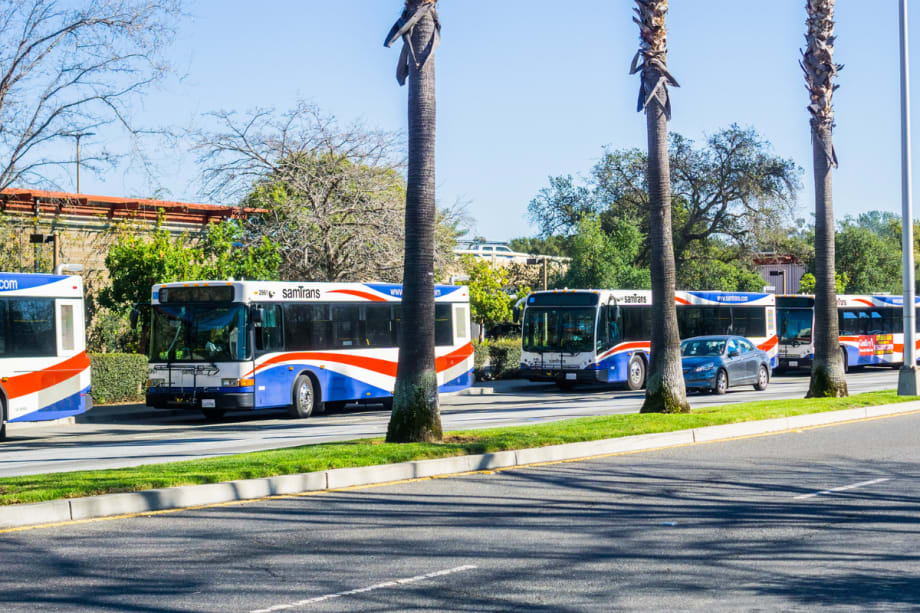
California's aggressive push to reduce emissions from transportation makes these low-floor city buses ideal candidates for Lightning eMotors' Repower program.
Photo: Adobe Stock
2 min to read
Lightning eMotors announced it will now offer a second-generation repower program for high-demand 40-foot transit buses, according to the company's news release.
The new offering in Lightning’s lineup of Class 3-8 commercial electric vehicles will be available to municipal and private transit agencies throughout the U.S.
Lightning said it will help transit customers cut costs by electrifying their fleets and repowering existing transit buses from diesel or CNG internal combustion to zero-emission battery-electric powertrains.
Repowered buses will feature an up to 560-kWh battery system and deliver more than 200 miles of real-world range on a single charge, according to Lightning.
Lightning eMotors has deployed more than 300 new and repowered vehicles across multiple sectors, including full-sized transit, microtransit, last-mile delivery, emergency response, school buses, and others, according to the company.
Lightning produced the first repowered electric transit bus, deployed in Colorado for the city of Boulder in 2018.
“Lightning’s transit bus repower program provides transit agencies a significantly more affordable and faster way to electrify their bus fleets and ensure clean and quiet operation for passengers and pedestrians alike,” said Mac Burns, director of product management, Lightning eMotors. “With increasing pressure to reduce carbon emissions and offer clean transportation solutions, we are confident fleet operators will see the sustainability benefits of converting existing diesel-powered vehicles to electric power rather than letting them end up in a landfill.”
According to Lightning, customers who choose the company's repowered transit buses will qualify for the same federal and state funding as new electric buses, including the Federal Transit Administration’s Low and No Emission Vehicle Program.
“There has never been a better time for transit fleet operators to accelerate the transformation of their fleets to zero-emission electric,” said Nick Bettis, director of marketing and sales operations for Lightning eMotors. “Available federal and state-level funding provide a much-needed solution to the financial challenge in electrifying fleets in this sector and, with Lightning’s Transit Repower program, fleet managers can extend the lifecycle of current fleets quickly, affordably and responsibly versus new purchases.”
Lightning said it will repower the buses at its Loveland, Colorado, factory or one of Lightning’s Authorized Repower Partners located nationwide.
Additionally, Transit Repower operators will also have access to Lightning’s full suite of complementary products and services, including Lightning Insights open API fleet telematics software, Lightning Energy stationary chargers, and Lightning Mobile portable chargers.
The first repowered buses under this program are expected to deploy in 2023, according to Lightning.
More Zero Emissions
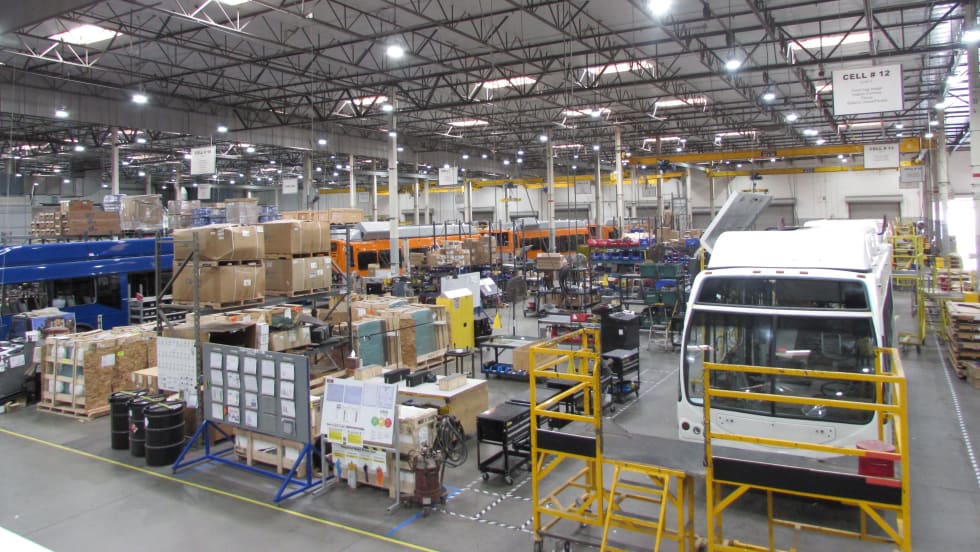
LA Metro Board Awards 220 Battery-Electric Bus Contract to ENC
The contract, which is the largest base award of battery-electric buses by a U.S. transit agency, will be built in Southern California, sustaining good jobs as LA prepares to welcome the world in 2028
Read More →
Public Transit Conference Returning to GFX in 2027, Call for Papers Now Open
The Call for Papers is now open, allowing transit agency professionals and industry experts to help shape the PTC educational program by submitting session ideas for consideration.
Read More →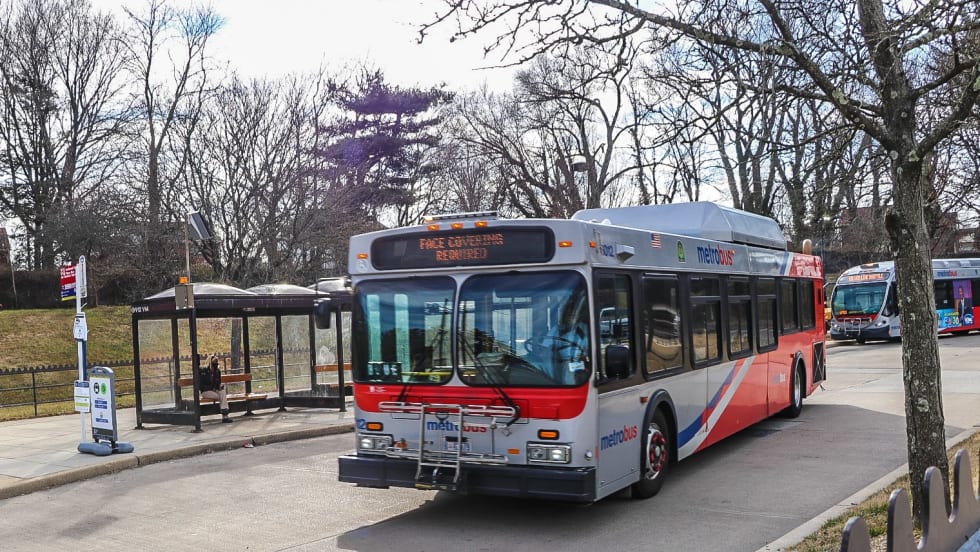
Report: Transit Bus Manufacturing Supports 34,100 Jobs, $5.1B in GDP
The “Buses Mean Business” report examines the transit bus manufacturing industry’s economic footprint, supply chain, and rising demand for vehicle replacements.
Read More →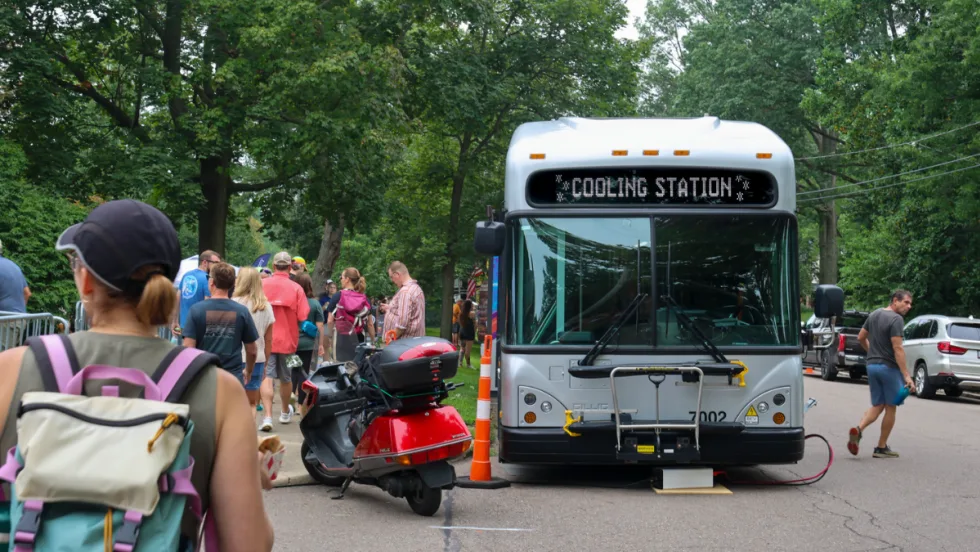
Ohio’s METRO RTA Turns Electric Buses into Mobile Power Sources at PorchROKR
See how three Gillig battery-electric buses powered festival stages while the agency’s new Park & Ride service carried approximately 1,000 attendees, demonstrating another potential use for transit agencies’ electric fleets.
Read More →
CALSTART and Forth Combine to Form Catalyst Mobility
The new name represents a renewed vision for the nonprofit focused on advancing clean, equitable, and affordable transportation solutions that move people and goods.
Read More →
Building a Flexible Path to Transit Electrification
John Hroncich discusses BAE Systems’ modular and scalable approach, lessons learned from decades of real-world operations, and how agencies can identify electrification strategies that fit their fleets.
Read More →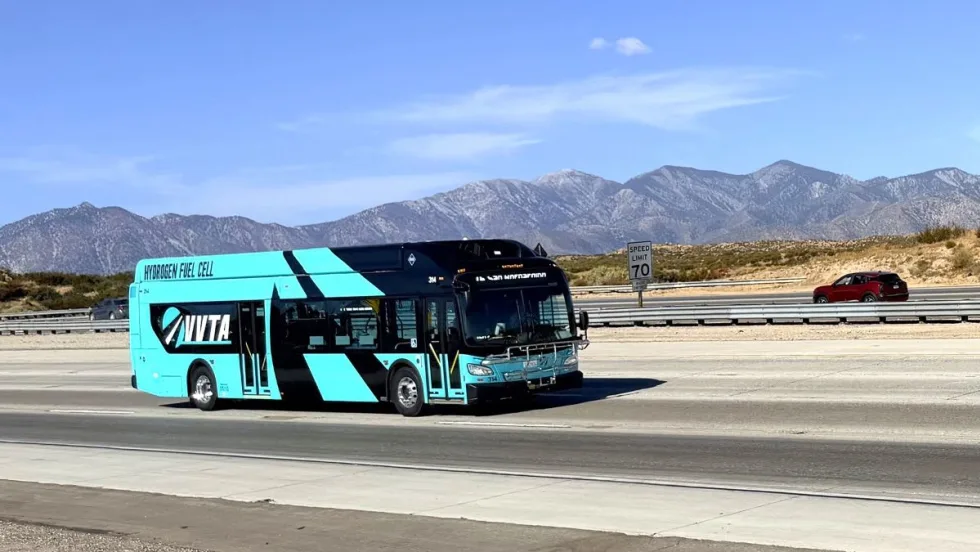
California's VVTA Begins Phased Rollout of Hydrogen Fuel Cell Buses
The agency is introducing 13 zero-emission buses into revenue service while evaluating performance across its urban, rural, and long-distance routes.
Read More →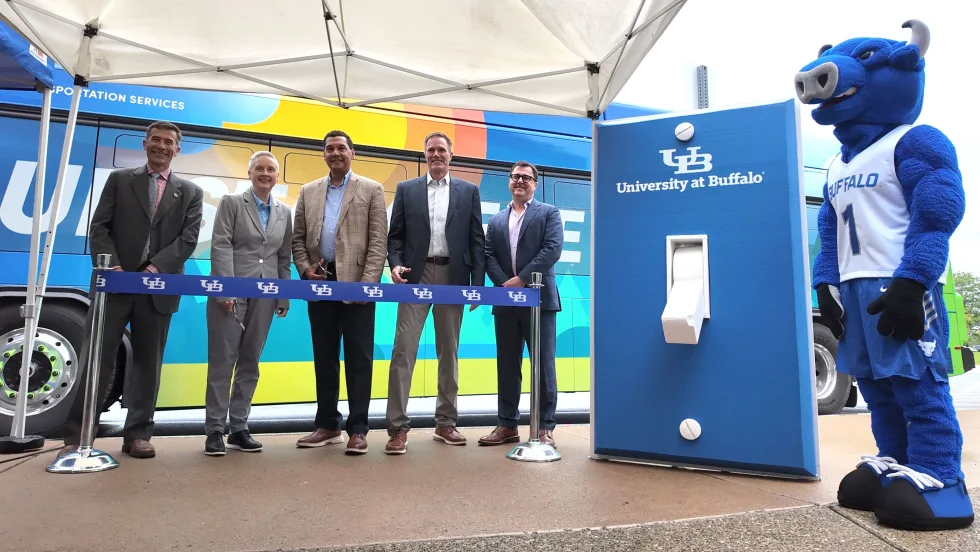
Inside Look: University at Buffalo Puts First 8 Electric Buses Into Stampede Service
UB, transportation solutions provider WeDriveU, and fleet electrification specialist Zenobē marked the deployment in the presence of students, university administrators, and local officials.
Read More →
Biz Briefs: OCTA Taps Clean Energy for Hydrogen Station, Stadler to Supply Via Rail Vehicles, and More
From manufacturers and suppliers to transit agencies and motorcoach operators, these updates offer a snapshot of the projects, partnerships and business moves driving the industry forward.
Read More →
AC Transit’s Cecil Blandon on Building the Next Generation of Transit Maintenance Leaders
The agency’s maintenance chief discusses leadership, workforce development, zero-emission technology, and preparing technicians for the future of public transportation.
Read More →