



Alexander Dennis' Enviro400EV Hits High Energy Consumption Benchmarks
The work, which was undertaken at UTAC’s approved test facility at Millbrook Proving Ground, confirms an average energy consumption of just 0.67kWh/km across the UK Bus Cycle.

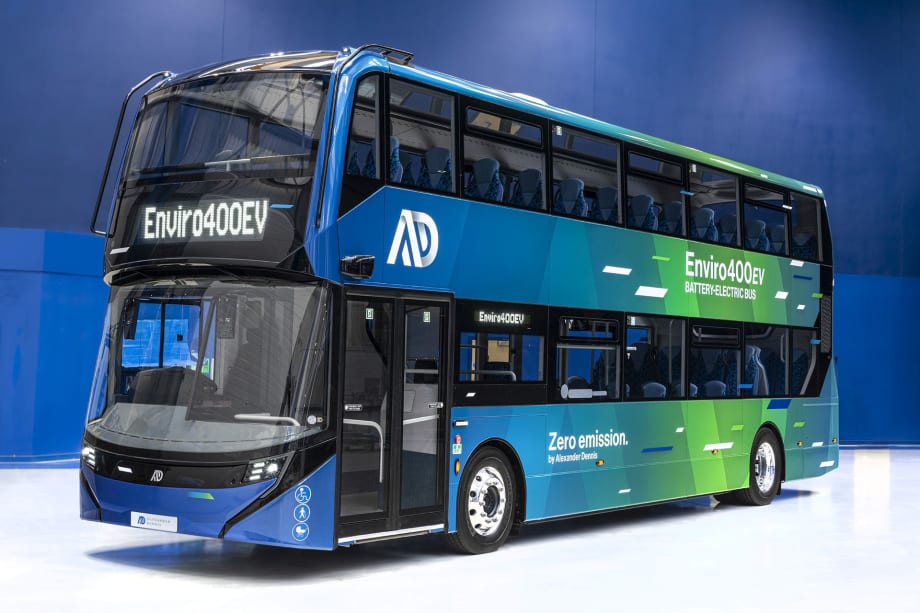
Alexander Dennis uses automotive industry-standard modeling tools to calculate indicative illustrations of efficiency, range, and battery degradation under real-world conditions for an operator’s specific routes.
Photo: Alexander Dennis
Alexander Dennis, a subsidiary of NFI Group Inc., announced its next-generation Enviro400EV electric double decker has completed the Zemo Partnership’s zero-emission bus testing and certification program.
The work, which was undertaken at UTAC’s approved test facility at Millbrook Proving Ground, confirms an average energy consumption of just 0.67kWh/km across the UK Bus Cycle. The findings make thenext-generation Enviro400EV the most efficient battery-electric double decker tested to Zemo Partnership standards to date, delivering a 10% efficiency advantage over competitors’ vehicles of comparable battery size, according to Alexander Dennis.
The UK Bus Cycle
The UK Bus Cycle represents a mix of common operating conditions with separate phases modeled on inner urban, outer urban, and rural routes.
Alexander Dennis officials said thanks to its use of the heavy-duty version of the Voith Electrical Drive System, the Enviro400EV is extremely efficient across all parts of the cycle including the demanding inner urban element, ensuring operators will be able to minimize their energy costs even on highly intensive services in places, including London.
Combined with the Enviro400EV’s future-proof battery system, which is supplied by Impact Clean Power Technology and allows 88% of its 472kWh capacity to be used, the 0.67kWh/km energy consumption in the UK Bus Cycle gives the electric double decker a theoretical operating range of up to 385 miles on a single charge.
Alexander Dennis’ Modeling Tools
Alexander Dennis uses automotive industry-standard modeling tools to calculate indicative illustrations of efficiency, range, and battery degradation under real-world conditions for an operator’s specific routes.
The multi-physics simulation is conducted in collaboration with operators and is the most reliable guide to actual performance on any given duty cycle, according to Alexander Dennis officials.
About the Zemo Partnership
The Zemo Partnership certifies vehicles following independent physical testing to ensure public money, such as the UK Government’s Zero-Emission Regional Bus Areas (ZEBRA) or the Scottish Government’s Zero Emission Bus Challenge Fund (ScotZEB), supports proven zero-emission vehicle technologies that will perform in service.
The certificates provide an independent means for operators to compare different suppliers and technologies on a like-for-like basis.
In addition to demonstrating the Enviro400EV’s exceptional energy efficiency, its zero-emission bus certification also confirms that its well-to-wheel greenhouse gas emissions when charged with UK grid electricity are 84% lower than those of an average Euro VI diesel equivalent vehicle.
Over 150 next-generation Alexander Dennis Enviro400EV have been sold to date to customers including Stagecoach and Transdev, with deliveries of the first completed vehicles now imminent
More Zero Emissions
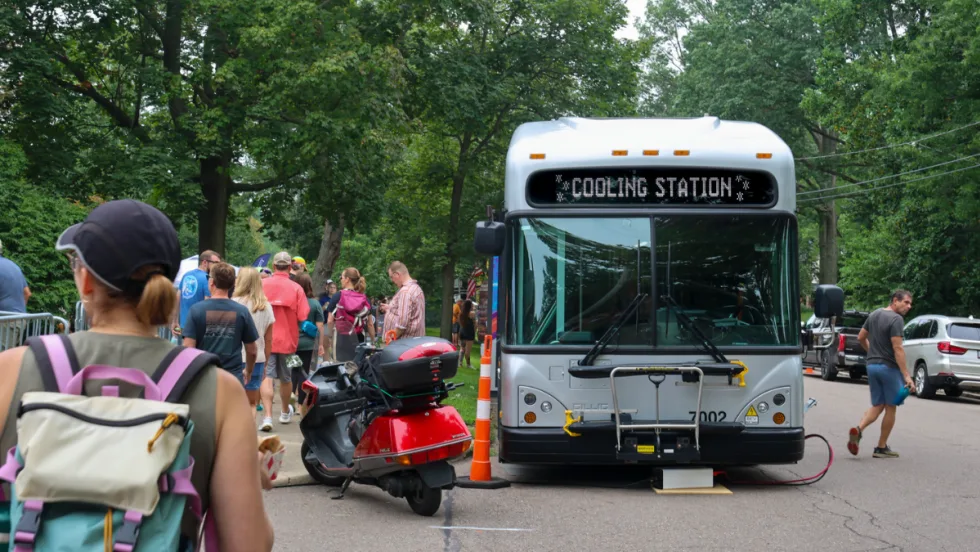
Ohio’s METRO RTA Turns Electric Buses into Mobile Power Sources at PorchROKR
See how three Gillig battery-electric buses powered festival stages while the agency’s new Park & Ride service carried approximately 1,000 attendees, demonstrating another potential use for transit agencies’ electric fleets.
Read More →
CALSTART and Forth Combine to Form Catalyst Mobility
The new name represents a renewed vision for the nonprofit focused on advancing clean, equitable, and affordable transportation solutions that move people and goods.
Read More →
Building a Flexible Path to Transit Electrification
John Hroncich discusses BAE Systems’ modular and scalable approach, lessons learned from decades of real-world operations, and how agencies can identify electrification strategies that fit their fleets.
Read More →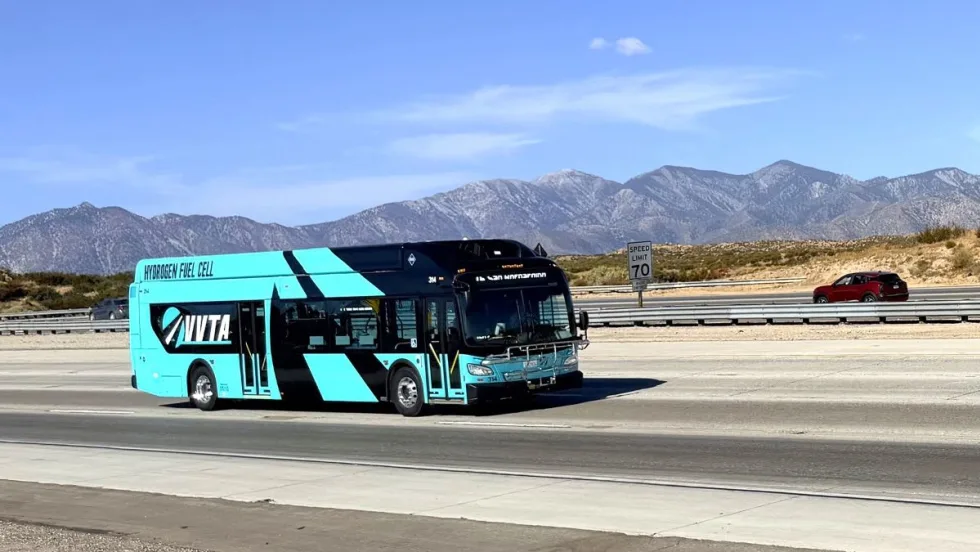
California's VVTA Begins Phased Rollout of Hydrogen Fuel Cell Buses
The agency is introducing 13 zero-emission buses into revenue service while evaluating performance across its urban, rural, and long-distance routes.
Read More →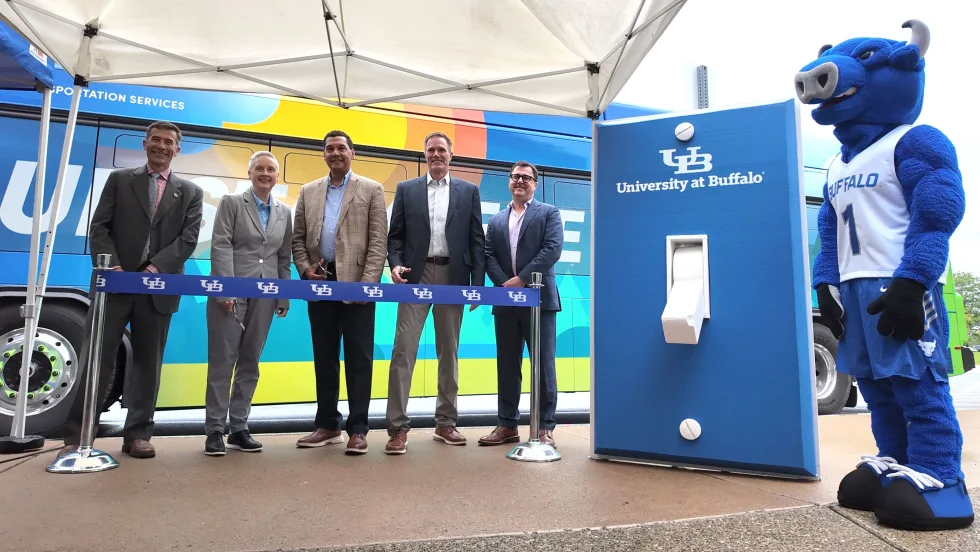
Inside Look: University at Buffalo Puts First 8 Electric Buses Into Stampede Service
UB, transportation solutions provider WeDriveU, and fleet electrification specialist Zenobē marked the deployment in the presence of students, university administrators, and local officials.
Read More →
Biz Briefs: OCTA Taps Clean Energy for Hydrogen Station, Stadler to Supply Via Rail Vehicles, and More
From manufacturers and suppliers to transit agencies and motorcoach operators, these updates offer a snapshot of the projects, partnerships and business moves driving the industry forward.
Read More →
AC Transit’s Cecil Blandon on Building the Next Generation of Transit Maintenance Leaders
The agency’s maintenance chief discusses leadership, workforce development, zero-emission technology, and preparing technicians for the future of public transportation.
Read More →
CTDOT Taps STV for Electric Bus Facility Design
The firm will work with CTDOT and RVT to define the facility layout, operational requirements, and long-term flexibility for RVT’s growing electric fleet.
Read More →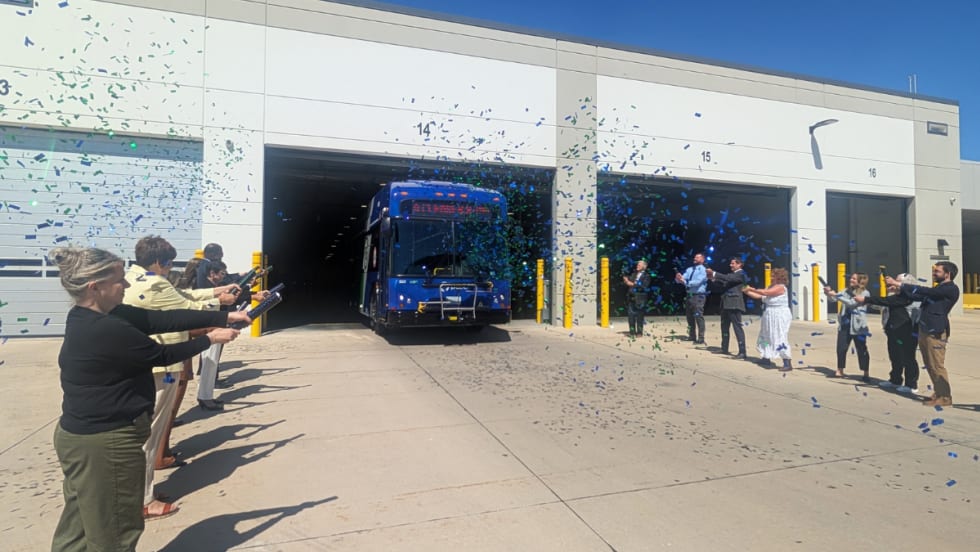
Chicago’s Pace Deploys 24 Hybrid-Electric Buses in Will County
The new buses reduce emissions and fuel consumption while advancing the agency's long-term goal of transitioning to a fully zero-emission fleet.
Read More →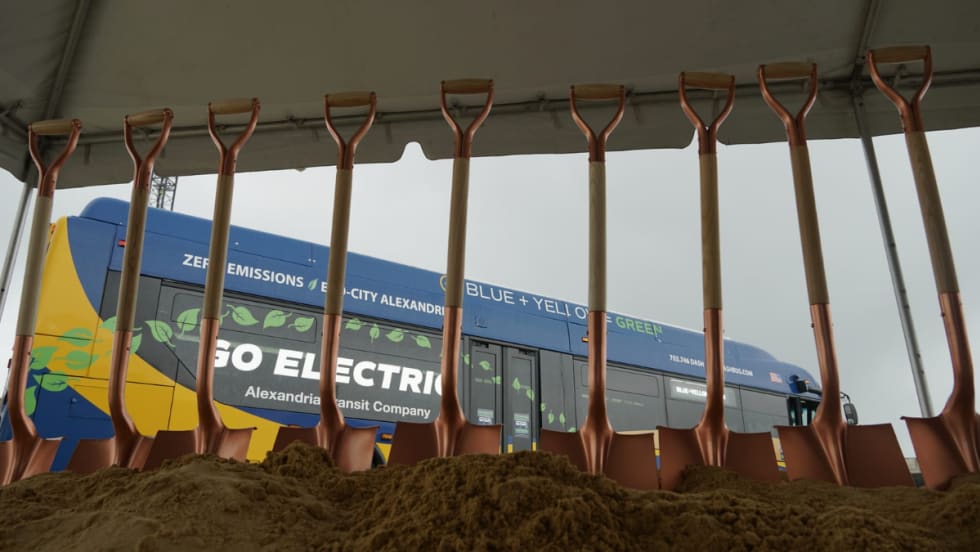
DASH Breaks Ground on First On-Route Electric Bus Chargers in D.C. Region
The fast-charging infrastructure will help extend electric bus range, improve fleet utilization, and support DASH's goal of transitioning to a fully zero-emission fleet.
Read More →