



Voters Approve $25B-Plus in Transportation Ballot Measures
Voters once again voiced their overwhelming support for public transit by approving transit ballot measures across the country, with 46 of 53 measures for public transit in 2024 proving successful — an 86.7% win rate.

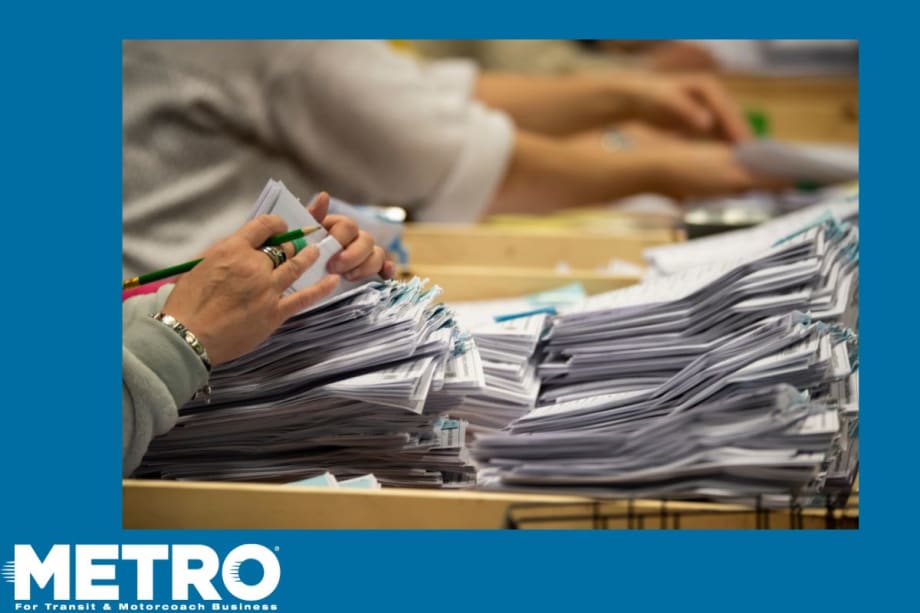
Tuesday’s election proved to be a marked success, with $24.9 billion approved so far by voters to make transit improvements, bringing the total funding for public transit in 2024 to over $25 billion.
Photo: Canva
Voters once again voiced their overwhelming support for public transit by approving transit ballot measures across the country, with 46 of 53 measures for public transit in 2024 proving successful — an 86.7% win rate.
Results for ballot measures are available via APTA’s Center for Transportation Excellence’s (CFTE) 2024 election scorecard, which is available here.
“Initial results from this year’s public transportation ballot initiatives show a clear trend: communities across the country are backing public transit. These measures have become a vital indicator of voters’ commitment to investing in transit, and this year’s response has been overwhelmingly positive,” said APTA President/CEO Paul P. Skoutelas. “The public’s enthusiasm for investing in transit reflects a clear desire for cleaner, more accessible transportation options in their neighborhoods. The 2024 election has marked a significant step forward for public transportation, as communities continue to invest in a brighter, more sustainable future for everyone.”
Success on Election Day
Tuesday’s election proved to be a marked success, with $24.9 billion approved so far by voters to make transit improvements, bringing the total funding for public transit in 2024 to over $25 billion.
According to APTA and the CFTE, the results show that residents understand the importance of putting public transit systems on the road to recovery—because good public transportation means a brighter and easier future for communities.
Successful ballot measures included:
A bill in Flagstaff, Ariz., which extended the current transit tax and increased it by about .20 cents per $100. Proposed improvements through the bill included electrifying the bus fleet, expanding service hours, improving service frequency, bringing service to new areas, and reducing congestion while protecting the environment.
In San Francisco, Prop L, which will increase operations funding for Muni, passed. The bill will use revenues from a new business tax on ride-hail companies to prevent Muni service cuts and improve Muni access.
In Nashville, a half-cent sales tax increase will fund accelerated expansion of Nashville’s bus system, building out dozens of miles of sidewalks and bike lanes, while also upgrading nearly 600 traffic signals to better handle vehicle congestion. The tax increase will cover around 46% of the plan’s total cost.
In Fairfax County, Va., $180 million in bonds will be used to finance Fairfax County’s share, under the Washington Metropolitan Area Transit Authority Regional Compact, of the cost of constructing, reconstructing, improving, and acquiring transportation improvements and facilities, including capital costs of land, transit facilities, rolling stock, and equipment in the Washington metropolitan area.
In Seattle, an eight-year $1.55 billion Transportation Levy will use property taxes to fund improvements to the city’s transportation infrastructure, including building sidewalks, paving streets, repairing bridges, and improving transit connections.
Losses and More to Come
Meanwhile, measures in Gwinnet and Cobb County, Ga. and San Diego were defeated, as well as three measures in South Carolina.
As of Wednesday afternoon, a measure in South Lake Tahoe, Calif., had not yet been decided.
APTA’s Center for Transportation Excellence tracks all of the measures at its website and will be providing updates as results continue to come in.
More Management

Bus Tech Talk: Keeping Transit Technicians Ahead of the Technology Curve
In this episode of Bus Tech Talk, Complete Coach Works’ Business Development Manager Mark Hollenbeck and METRO’s Executive Editor Alex Roman sit down with Obed Mejia, Senior Technical Trainer for Bus Maintenance, at LA Metro to discuss how rapidly evolving bus technology is changing the maintenance shop — and the skills technicians need to keep pace.
Read More →
Michael Schneider Joins Paslay Group to Expand Transportation Practice
The longtime transportation executive will help Paslay Group grow its advisory and program management work across transit, highway, and other infrastructure sectors.
Read More →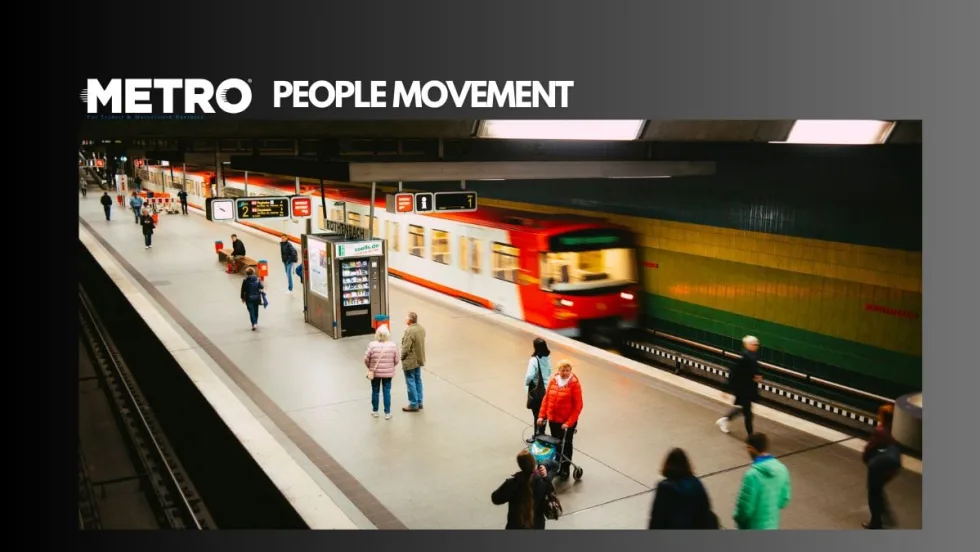
People Movement: Connectpoint Expands Leadership Team, Stadler Names New Group CEO, and More
In this edition, we also spotlight recent personnel moves at Burns, UZURV, and more, highlighting the people taking on new roles across the transportation industry.
Read More →
More Than a Summer Job: Building the Next Generation of Transit Talent
The Delaware River Port Authority and PATCO have transformed their internship program into a hands-on professional development experience that introduces students to the breadth of transportation careers — and creates a pipeline for future employees.
Read More →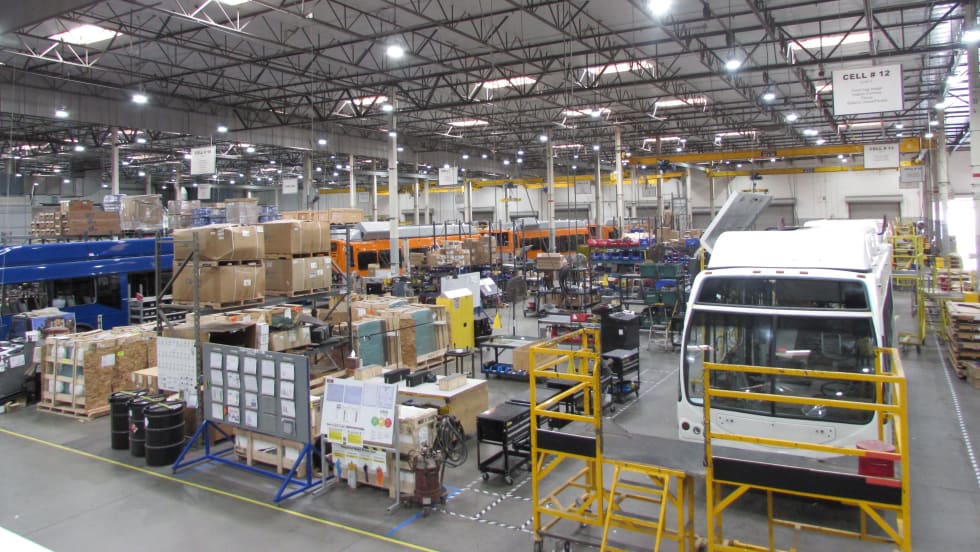
LA Metro Board Awards 220 Battery-Electric Bus Contract to ENC
The contract, which is the largest base award of battery-electric buses by a U.S. transit agency, will be built in Southern California, sustaining good jobs as LA prepares to welcome the world in 2028
Read More →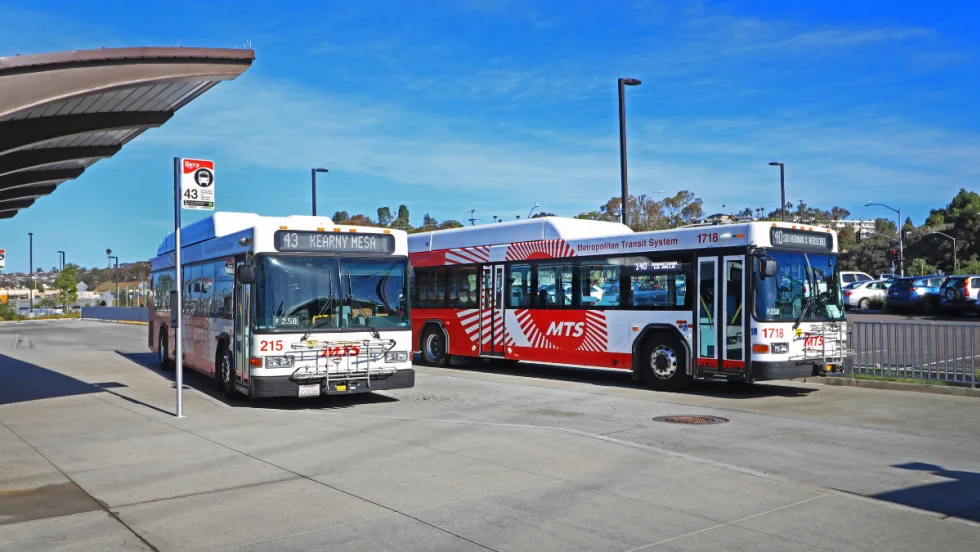
What’s Behind San Diego MTS’s Award-Winning Transit Strategy
Named one of APTA’s 2026 Outstanding Public Transportation Systems with 50 million or more annual passenger trips, California’s San Diego Metropolitan Transit System points to gains in ridership, safety, technology, and reliability as foundations of its success.
Read More →
Public Transit Conference Returning to GFX in 2027, Call for Papers Now Open
The Call for Papers is now open, allowing transit agency professionals and industry experts to help shape the PTC educational program by submitting session ideas for consideration.
Read More →
Indian River Transit’s Community-Focused Approach Earns National Recognition
Named APTA’s 2026 Outstanding Public Transportation System in its size category, Florida’s Indian River County transit system continues to grow ridership through fare-free service and a focus on evolving community needs.
Read More →
ENC Lands MATA Contract and More in Biz Briefs
In this edition of Biz Briefs, we spotlight the latest developments shaping the future of mobility.
Read More →From Surviving to Thriving: Building Stronger Transportation Organizations
Bus Business Consultants founder Brian Dickson shares lessons on leadership, organizational health, and creating options for long-term success in a changing transportation industry.
Read More →