




Read More: North Carolina’s CATS to Launch Microtransit System
MARTA Unveils Vision for the Future of Transit in Atlanta
MARTA lays out their plans for the future, including new train cars, zero-emission vehicles, and customer experience upgrades.
January 30, 2025
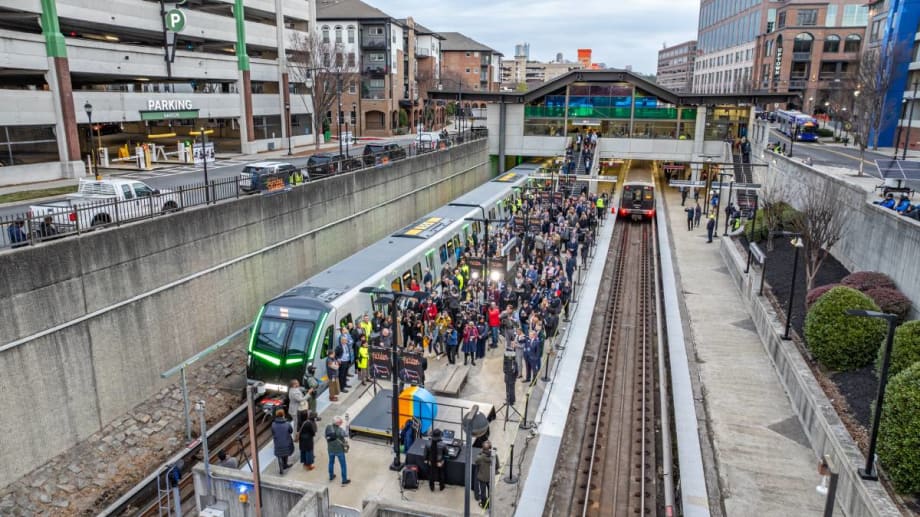
The new CQ400 trains on MARTA's lines will be modernizing the agency's train network with Open gangway designs and improved safety measures.
Photo: MARTA
4 min to read
The Metropolitan Atlanta Rapid Transit Authority (MARTA) presented transformative initiatives its implementing that define the future of transit in metro Atlanta. The initiatives address the region’s growing population and increasing transportation needs in preparation of a population increase from six million to eight million by 2050.
Collie Greenwood, MARTA GM/CEO, unveiled the first CQ400 train at the recent State of MARTA event. The new railcars entered Lindbergh Station, showing the agency’s vision for transit and rail service in the Atlanta metro region.
“When I stepped onto that new train this morning, it felt like stepping into the future,” said Greenwood. “These new railcars are an inspiration to everyone at MARTA and to our customers who will get to experience a cleaner and safer ride — and hopefully one that shows them how transit can make their lives easier and their trip more enjoyable. The future of transit begins now at MARTA, and the State of MARTA is strong.”
Modernizing Services
Greenwood discussed several projects during his State of MARTA address. These include:
CQ400 Railcars: These new railcars feature open gangway designs, upgraded lighting and seating, digital displays, charging stations, and improved safety measures. The first batch is arriving for testing and planned deployment will take place later this year.
Communications-Based Train Control: This technology will improve rail safety, efficiency and on-time performance.
Zero-Emissions Vehicles: The MARTA Rapid Bus Rapid Transit lines will feature zero-emission vehicles equipped with wireless charging, custom interiors, and ADA-friendly platforms. These vehicles will debut along the Summerhill corridor this year.
NextGen Bus Network: MARTA’s bus network redesign will offer faster, more reliable service. Frequent service routes will expand from five to 18 corridors, providing 15-minute service to 245% more riders. The new network will also feature consistent seven-day service and 12 on-demand zones.
Fare Payment Upgrades: The AFC 2.0 system will allow riders to use credit cards, smartphones, and smartwatches for seamless entry. Enhanced faregates will improve security and accessibility, increasing customer convenience.
Customer Experience Enhancements
MARTA’s vision to extend beyond infrastructure to create a safe, clean, and reliable experience for riders was also established.
Greenwood stated that Marta will be enhancing safety with advanced programs such as a real-time crime center, joint bike patrols, and expanded MARTA Police presence.
Transit-Oriented Developments like Marchon at King Memorial and Quill at Candler Park have addressed housing affordability while fostering economic growth. The future Transit-Oriented Development at Indian Creek and Kensington hopes to do the same.
A redesigned MARTA app, real time train arrival information, and updated station information screens will also be implemented. These ensure riders will have the tools they need for a smooth transit experience.
Expanding for the Future
MARTA is also undertaking its largest system expansion and modernization effort since its founding.
New MARTA Rapid Lines are being implemented, with the Summerhill line currently under construction. Additional lines are planned for Campbellton Road, Southlake, and SR-54. The projects aim to transport riders more efficiently through congested areas and connect them with the rest of the MARTA network.
Clayton County, South DeKalb, and Stonecrest are receiving new transit hubs that will improve connectivity and access for bus customers.
A $1 billion investment to upgrade all 38 rail stations is being made which will soon enable a project to transform Five Points Station into a transit hub and city center.
Greenwood also spoke about how MARTA is committed to preparing future leaders through partnerships with organizations like Cristo Rey High School which offers students valuable work experience. MARTA’s Apprenticeship Program for bus technicians is also helping to build careers in transportation and support the system expansion.
As Atlanta prepares to host the 2026 World Cup and the 2028 Super Bowl, MARTA’s investments will play a critical role in ensuring seamless transportation for millions of visitors.
“The future is now, and it’s happening at MARTA,” said MARTA Board Chair Jennifer Ide. “We are breaking ground, launching innovative services, and expanding our system to meet the needs of our growing region. Together, we’re building a brighter, more connected future for metro Atlanta.”
More Management
Utilimarc Launches SmartReplace to Optimize Fleet Replacement Decisions
AI-powered SmartReplace helps fleets prioritize vehicle replacements, model budget scenarios, and build more defensible long-term strategies.
Read More →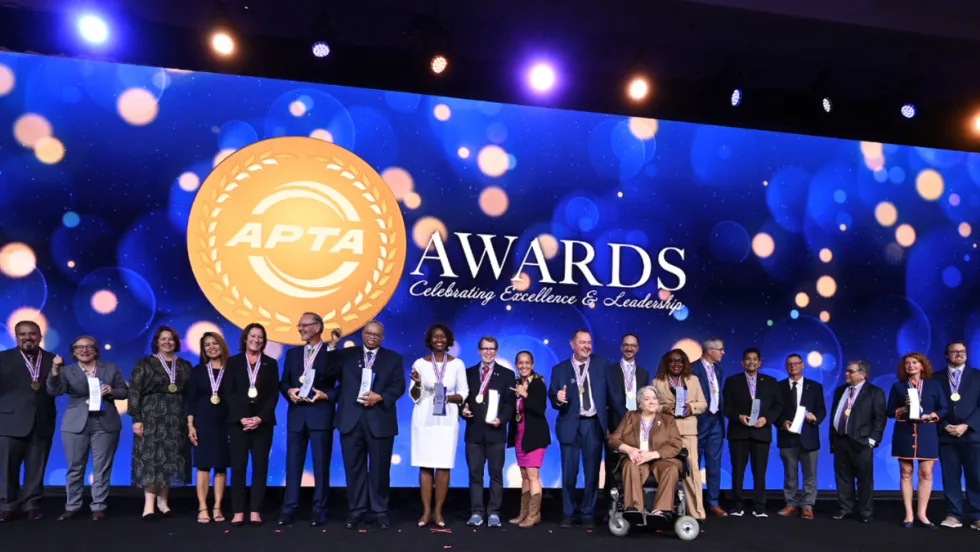
APTA Honors 2026 Award Winners, Hall of Fame Inductees at TRANSform & EXPO
Innovations in autonomous and zero-emission transportation, standout transit systems, and industry leadership took center stage among this year's honorees.
Read More →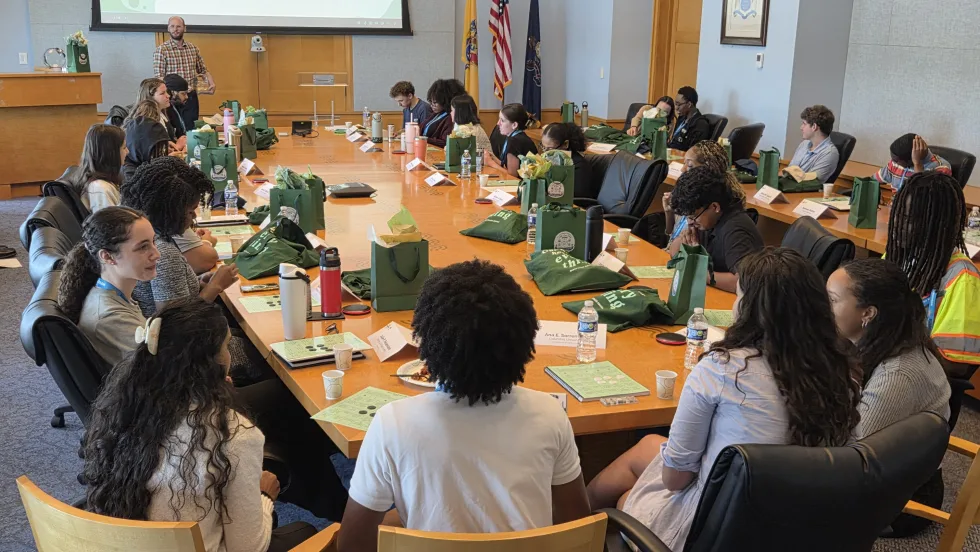
7 Ways to Build a Better Transit Internship Program
Lessons from DRPA/PATCO’s approach to creating a meaningful internship experience—and developing the next generation of transportation professionals.
Read More →
Scenes from APTA TRANSform & EXPO 2026
Transit leaders, manufacturers, and industry professionals gathered in Chicago to explore new technologies, share ideas, and discuss the future of public transportation.
Read More →
Building Stronger Leaders, More Resilient Transit Teams
Dr. Carol Parker Walsh discusses leadership development, employee retention, workplace culture, and preparing transit’s workforce for AI and automation.
Read More →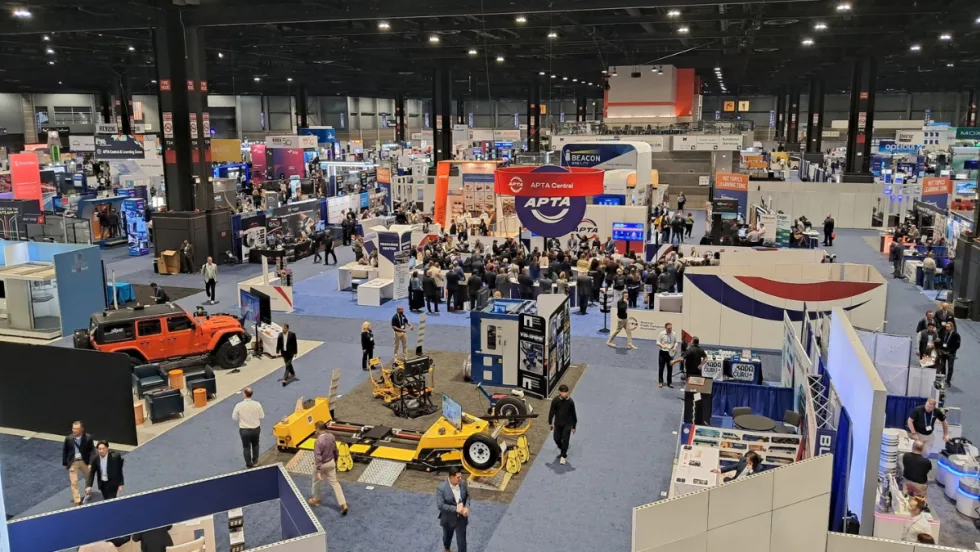
APTA 2026 TRANSform & EXPO Kicks Off in Chicago
After 45 years, APTA returns to Chicago with a focus on next-generation fleets, AI, connected transit networks, and the funding strategies shaping public transportation’s future.
Read More →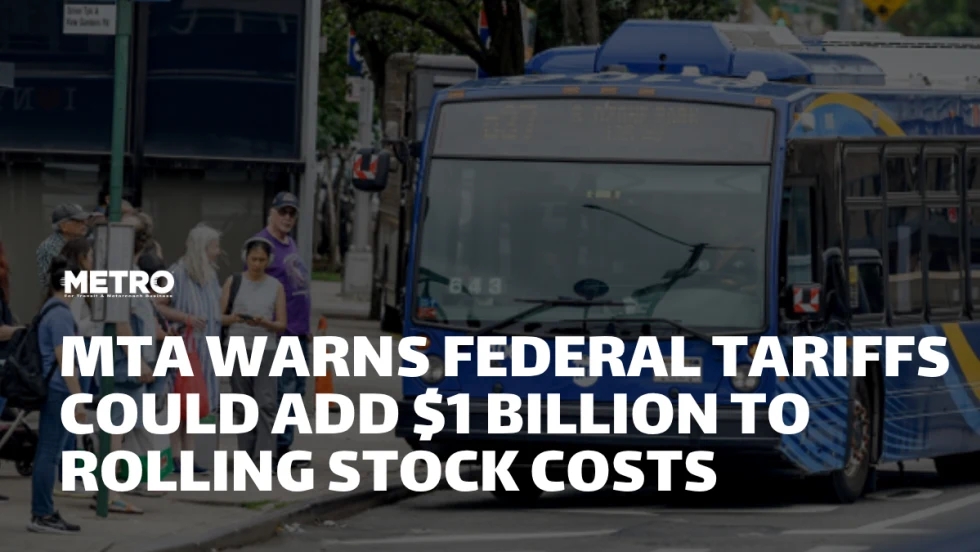
New York MTA Warns Federal Tariffs Could Add $1 Billion to Rolling Stock Costs
The agency said tariffs on specialized imported components could reduce the purchasing power of its $23 billion investment in new subway cars, railcars, and buses.
Read More →
From the Show Floor: What Happened at APTA TRANSform & EXPO 2026
See the latest product launches, partnerships, technology updates, and transit industry announcements from APTA TRANSform & EXPO in Chicago.
Read More →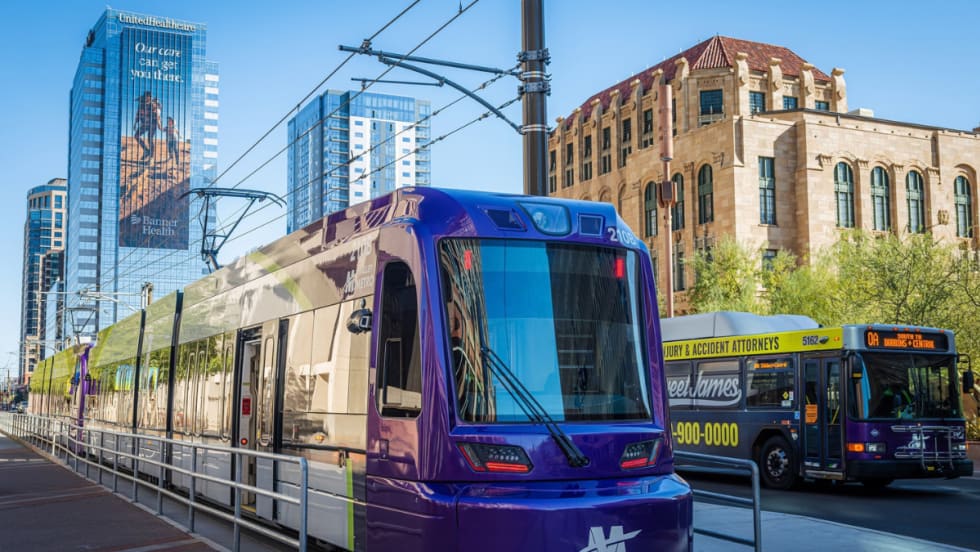
How Valley Metro Is Balancing Transit Growth With the Rider Experience
The APTA award-winning agency is pairing rapid system expansion with investments in workforce, safety, technology, and the fundamentals of transit service.
Read More →
Bus Tech Talk: Keeping Transit Technicians Ahead of the Technology Curve
In this episode of Bus Tech Talk, Complete Coach Works’ Business Development Manager Mark Hollenbeck and METRO’s Executive Editor Alex Roman sit down with Obed Mejia, Senior Technical Trainer for Bus Maintenance, at LA Metro to discuss how rapidly evolving bus technology is changing the maintenance shop — and the skills technicians need to keep pace.
Read More →