




More News: Broward Commuter Rail North Project Moves Forward
New York's MTA, Google Partner for Preventive Track Maintenance Pilot
With readily available hardware, the TrackInspect prototype succeeded in predicting where preventative maintenance was needed, earning an expanded pilot for the technology.
February 28, 2025

By utilizing Google's AI and cloud-based services, MTA is launching a pilot program to help predict when and where maintenance on the tracks will be needed, allowing for faster response times and fewer operational problems.
Photo: Marc A. Hermann
3 min to read
The New York Metropolitan Transportation Authority (MTA) is partnering with Google Public Sector to start a pilot program built upon the success of the TrackInspect prototype. The pilot will proactively detect potential track defects before they escalate into operational issues.
The Original TrackInspect Program
The TrackInspect prototype was developed in partnership with the Rapid Innovation Team at Google Public Sector and integrates sensor hardware with advanced cloud and artificial intelligence (AI) capabilities to detect potential track issues.
Through TrackInspect, Google Pixel smartphones were retrofitted onto R64 subway cars on the A line to capture subtle vibrations and sound patterns through built-in sensors equipped with an attached microphone that signal preventive maintenance is needed.
The data is sent in real-time to cloud-based systems where AI and machine learning algorithms generate predictive insights.
New York City Transit (NYCT) track inspectors serve as “humans in the loop,” inspecting locations highlighted by the system and confirming whether there is an issue while providing feedback to train the model.
TrackInspect also utilizes Generative AI for natural language processing, allowing inspectors to ask questions about maintenance history, protocols, and repair standards.
“By being able to detect early defects in the rails, it saves not just money but also time — for both crew members and riders,” said New York City Transit President Demetrius Crichlow. “This innovative program —which is the first of its kind – uses AI technology to not only make the ride smoother for customers but also make track inspector’s jobs safer by equipping them with more advanced tools.”
Putting the Data to Use
In the initial pilot, Track Inspect collected 335 million sensor readings, one million GPS locations, and 1,200 hours of audio.
The data was combined with the NYCT’s track non-conformity database and ingested into a machine learning model running on Google Cloud.
TrackInspect’s data complements the significant amount of information provided by the MTA’s track Geometry cars. These technologies make the track repair process faster and more accurate by finding and diagnosing potential track problems.
Finding and fixing track issues faster means fewer train delays and smoother service for millions of daily riders.
TrackInspect began as a proof-of-concept prototype developed by Google Public Sector exclusively for the MTA at no cost to the Authority.
By investing in predictive maintenance and AI-driven solutions, the MTA is taking a major step toward modernizing its operations and ensuring the long-term sustainability of its subway network.
The agency’s vision for the future includes scaling AI-driven track inspections across the entire subway system, enhancing data-sharing and collaboration between maintenance teams and AI systems, and leveraging real-time insights to reduce unplanned service disruptions.
MTA’s commitment to embracing innovation reflects its ongoing efforts to improve service, enhance safety, and optimize operational efficiency.
More Rail
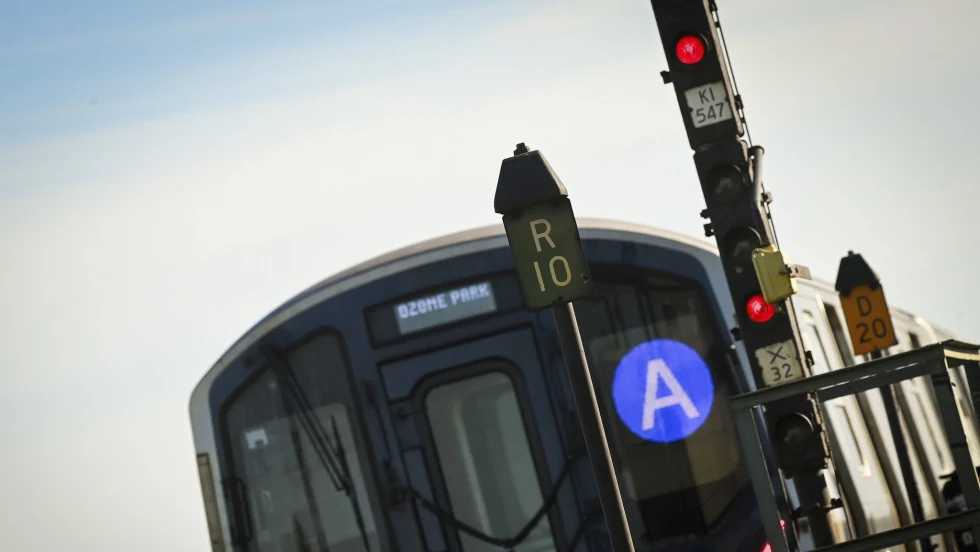
New York MTA Launches Historic $1.9B Signal, Track Modernization Project
Funded in part by congestion pricing revenue, the project will replace nearly century-old signals along the A and C lines in Brooklyn and Queens.
Read More →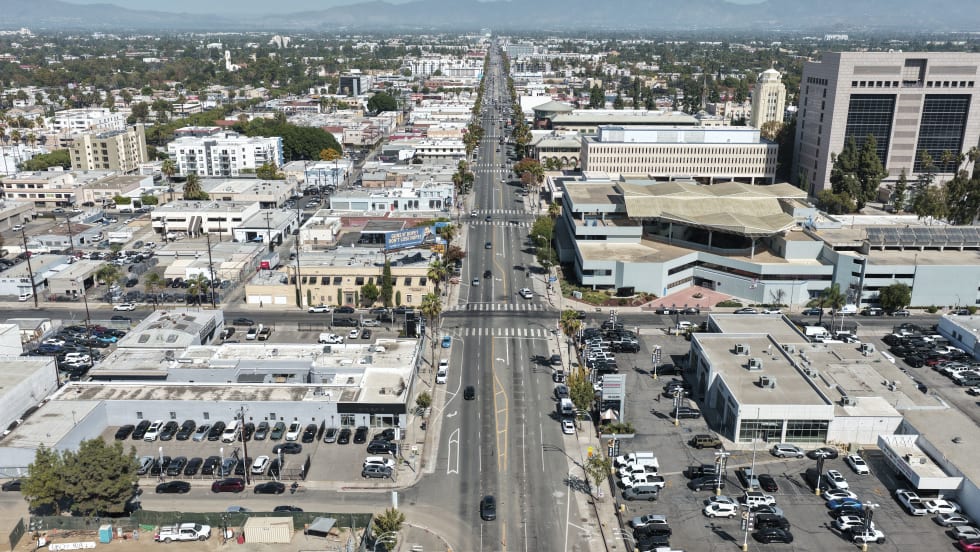
LA Metro Breaks Ground on East San Fernando Valley Light Rail Project
The 6.7-mile line will add 11 stations along Van Nuys Boulevard, expand access to jobs and regional transit connections, and support Metro’s broader efforts to improve mobility as rail ridership grows.
Read More →
CSA Group Releases Climate Resilience Standard for Transit, Passenger Rail
Developed with support from the Standards Council of Canada, CSA D700 guides assessing climate-related risks and planning adaptation measures for transit and passenger rail systems.
Read More →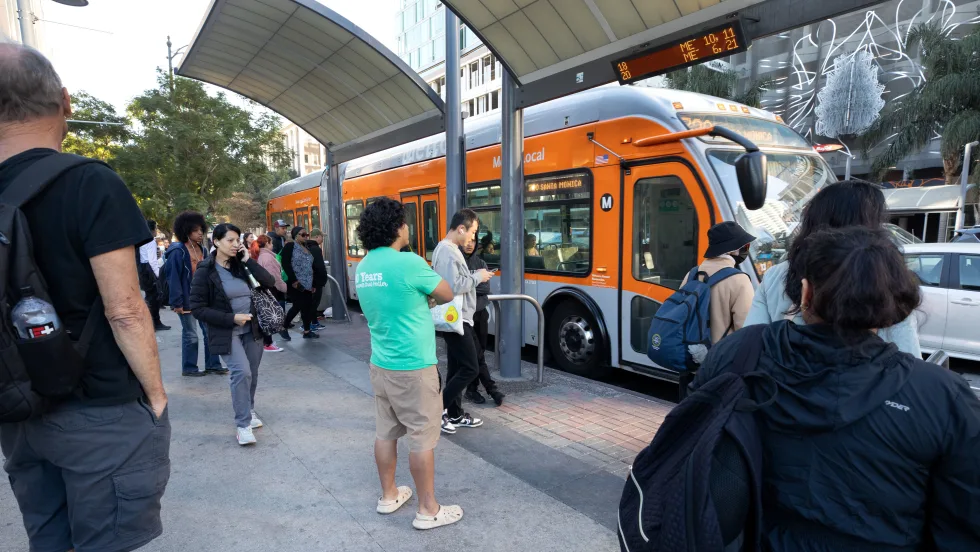
LA Metro September Ridership Climbs 3.9%, Led by Rail Growth
The agency recorded more than 27.2 million boardings, with rail ridership increasing 12.4% year over year and the D Line posting the largest gains.
Read More →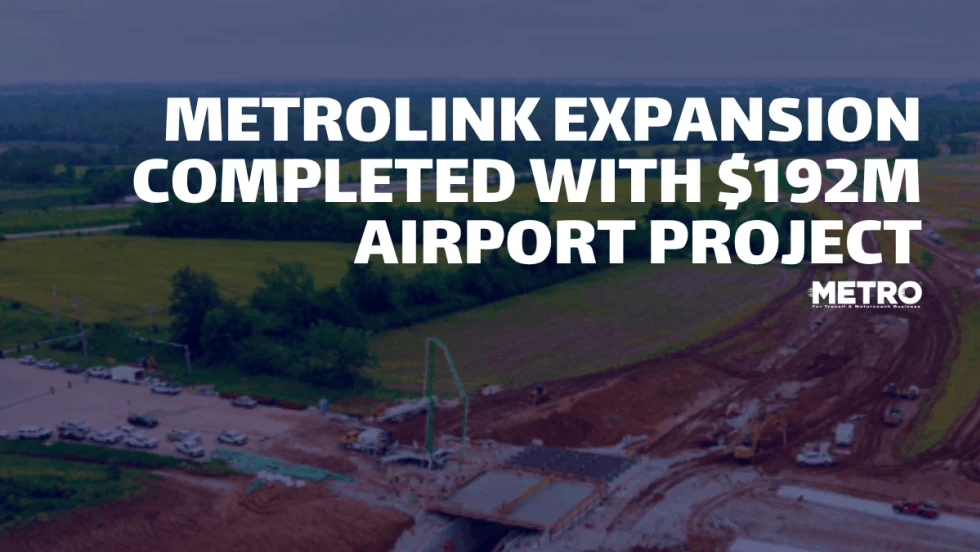
First Full MetroLink Rail Expansion Completed in 20 Years with $192M Airport Project
The project links two St. Louis-area airports by light rail while adding roadway and bike trail connections to improve regional access and mobility.
Read More →
Utilimarc Launches SmartReplace to Optimize Fleet Replacement Decisions
AI-powered SmartReplace helps fleets prioritize vehicle replacements, model budget scenarios, and build more defensible long-term strategies.
Read More →
Scenes from APTA TRANSform & EXPO 2026
Transit leaders, manufacturers, and industry professionals gathered in Chicago to explore new technologies, share ideas, and discuss the future of public transportation.
Read More →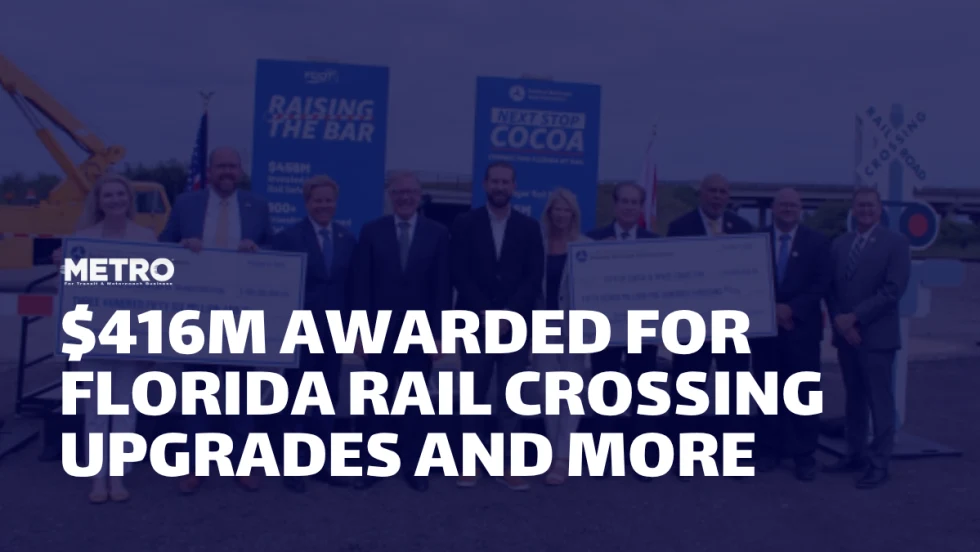
USDOT Awards $416 Million for Florida Rail Crossing Safety Upgrades, New Brightline Station
The projects aim to reduce risks for motorists and pedestrians at rail crossings while expanding passenger rail access along Florida’s Space Coast.
Read More →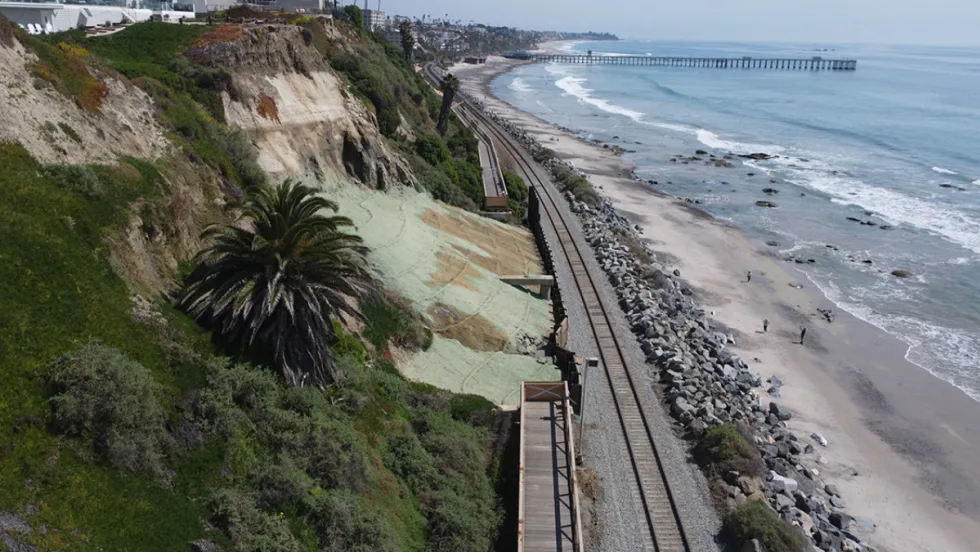
OCTA Declares Emergency to Protect Rail Corridor From Coastal Erosion
The California agency is accelerating shoreline protection and plans to place approximately 690,000 cubic yards of sand along the San Clemente coast to protect a key passenger and freight rail link.
Read More →
More Than a Summer Job: Building the Next Generation of Transit Talent
The Delaware River Port Authority and PATCO have transformed their internship program into a hands-on professional development experience that introduces students to the breadth of transportation careers — and creates a pipeline for future employees.
Read More →