



ORCA Transit Reaches 151 Million Trips
Transit usage in the Puget Sound region is on the rise, with further growth expected in 2025 due to increased return-to-office initiatives and world-famous events coming to the region.

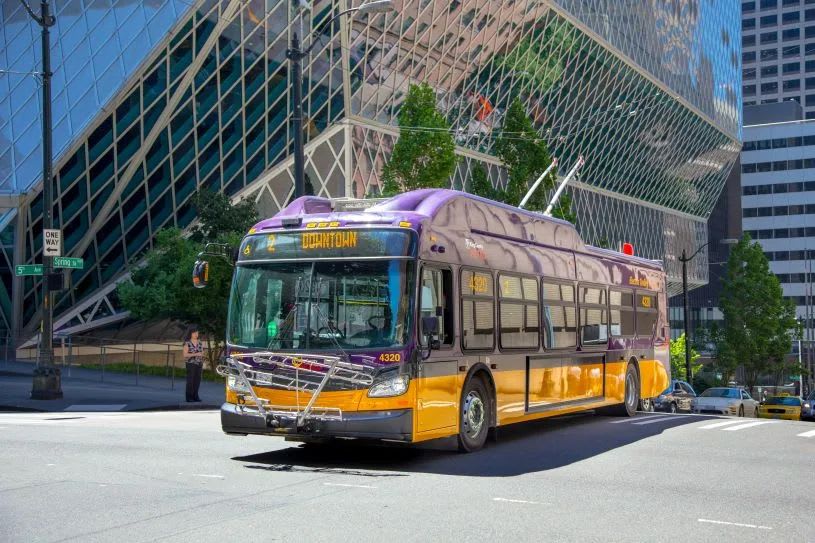
King County Metro is one of six transit providers in the Puget Sound region that is expanding to keep up with growing transit demands.
Photo: King County Metro
Transit usage in the Puget Sound region significantly jumped in 2024, bringing ridership up to 151 million trips.
Growing Transit in 2024
According to six ORCA transit agencies, Community Transit, Everett Transit, King County Metro, Kitsap Transit, Pierce Transit, and Sound Transit delivered 17 million more trips in 2024 than in 2023.
"Our riders chose to take 10 million more Metro trips in 2024 than the year before, and more people are taking transit more often in 2025, too,” said King County Metro General Manager Michelle Allison. “In the years ahead, we're responding to communities' desire for even more transit to better connect our riders to the people and destinations that are most important to them."
Recent expansions and improvements across the region match transit's growing popularity. The agencies celebrated adding more bus trips, opening new bus rapid transit lines, launching Sound Transit Link light rail extensions, offering faster ferry and water taxi services, and extending the “first-mile, last-mile” options that connect neighborhoods that.
“With the opening of the Northgate and Lynnwood light rail extensions, more and more people have discovered just how convenient transit is to get to entertainment, sporting events and work,” said Sound Transit CEO Goran Sparrman. “As we extend across Lake Washington and south to Federal Way in the near future, we know that even more riders will be using light rail to enjoy everything our region has to offer.”
Importance of Transit in 2025
With increased in-person work and the region’s growing popularity, transit offers many benefits compared to private vehicles. More people using public transportation shortens commuting times, lowers stress levels, reduces pollution, decreases congestion, and cuts travel costs such as gasoline, insurance, maintenance, and parking.
Since January 2025, vehicle traffic and transit ridership increased as Amazon office staff resumed in-person work five days a week. In 2026, Seattle is hosting the FIFA Men’s World Cup, bringing hundreds of thousands of people worldwide to the Puget Sound region.
The Washington State Department of Transportation will be making major improvements to Interstate 5, with resulting changes, closures, and detours affecting alternate routes and side streets.
Transit can help many people get where they need to go safely and reliably.
With more riders, ORCA transit agencies continue expanding and enhancing transit service, combatting climate change and making transit more accessible and affordable to residents and visitors.
More Management
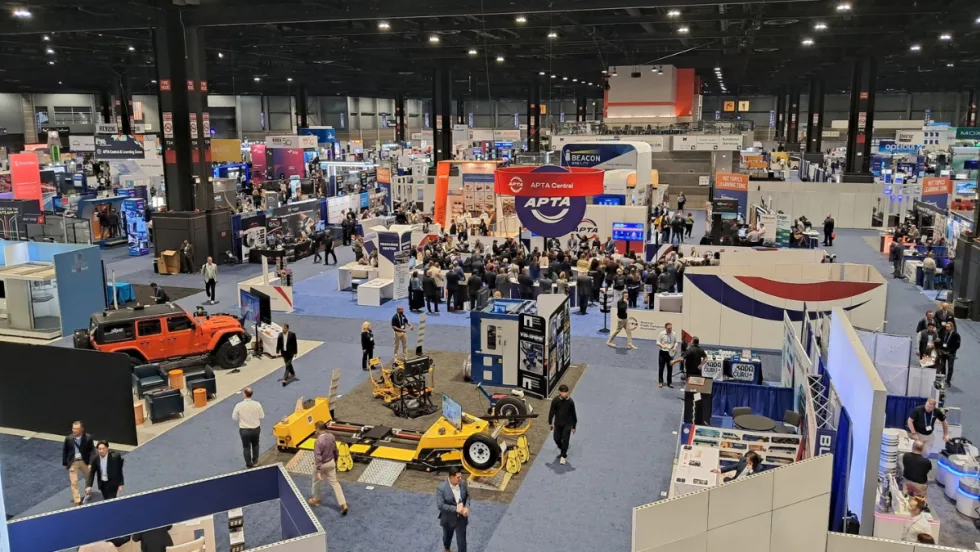
APTA 2026 TRANSform & EXPO Kicks Off in Chicago
After 45 years, APTA returns to Chicago with a focus on next-generation fleets, AI, connected transit networks, and the funding strategies shaping public transportation’s future.
Read More →
New York MTA Warns Federal Tariffs Could Add $1 Billion to Rolling Stock Costs
The agency said tariffs on specialized imported components could reduce the purchasing power of its $23 billion investment in new subway cars, railcars, and buses.
Read More →
From the Show Floor: What’s Happening at APTA TRANSform & EXPO 2026
Follow the latest product launches, partnerships, technology updates, and transit industry announcements coming out of APTA TRANSform & EXPO in Chicago.
Read More →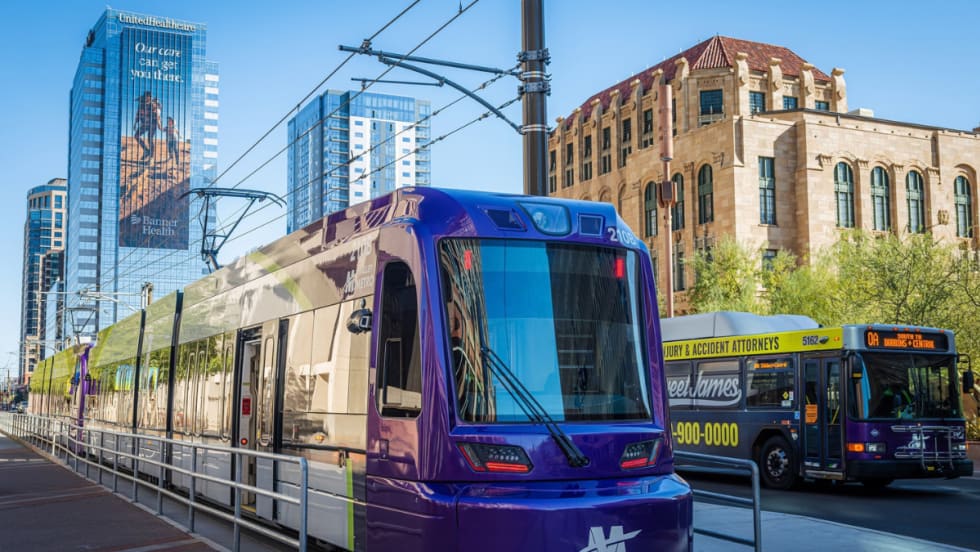
How Valley Metro Is Balancing Transit Growth With the Rider Experience
The APTA award-winning agency is pairing rapid system expansion with investments in workforce, safety, technology, and the fundamentals of transit service.
Read More →
Bus Tech Talk: Keeping Transit Technicians Ahead of the Technology Curve
In this episode of Bus Tech Talk, Complete Coach Works’ Business Development Manager Mark Hollenbeck and METRO’s Executive Editor Alex Roman sit down with Obed Mejia, Senior Technical Trainer for Bus Maintenance, at LA Metro to discuss how rapidly evolving bus technology is changing the maintenance shop — and the skills technicians need to keep pace.
Read More →
Michael Schneider Joins Paslay Group to Expand Transportation Practice
The longtime transportation executive will help Paslay Group grow its advisory and program management work across transit, highway, and other infrastructure sectors.
Read More →
People Movement: Connectpoint Expands Leadership Team, Stadler Names New Group CEO, and More
In this edition, we also spotlight recent personnel moves at Burns, UZURV, and more, highlighting the people taking on new roles across the transportation industry.
Read More →
More Than a Summer Job: Building the Next Generation of Transit Talent
The Delaware River Port Authority and PATCO have transformed their internship program into a hands-on professional development experience that introduces students to the breadth of transportation careers — and creates a pipeline for future employees.
Read More →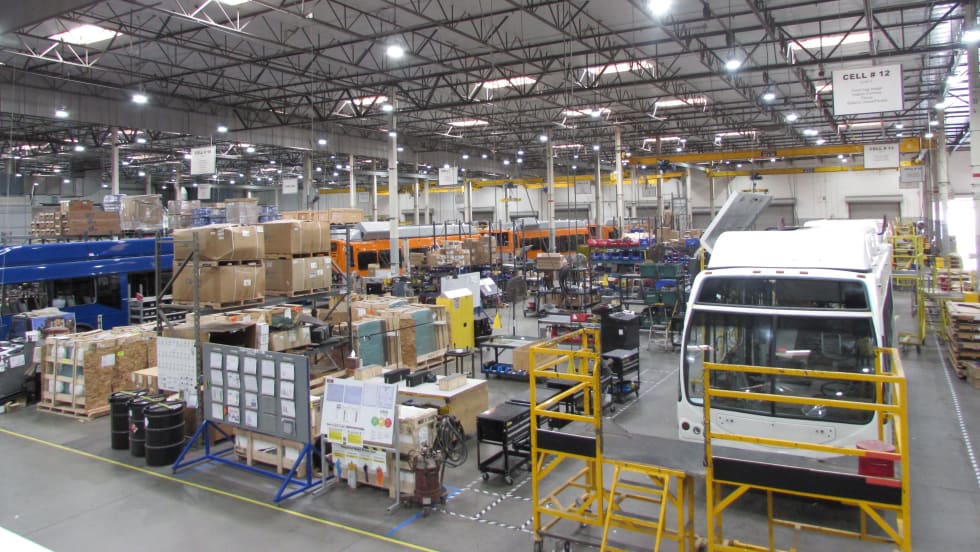
LA Metro Board Awards 220 Battery-Electric Bus Contract to ENC
The contract, which is the largest base award of battery-electric buses by a U.S. transit agency, will be built in Southern California, sustaining good jobs as LA prepares to welcome the world in 2028
Read More →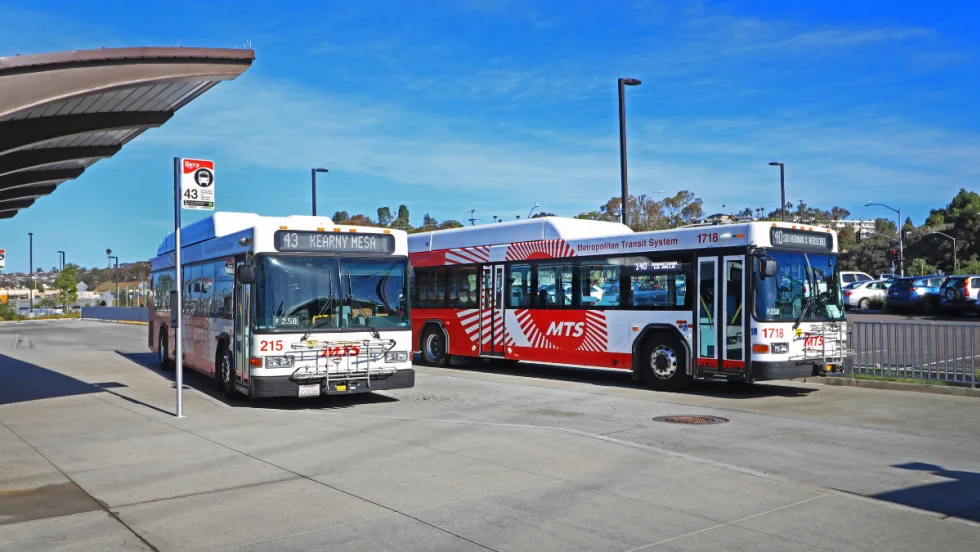
What’s Behind San Diego MTS’s Award-Winning Transit Strategy
Named one of APTA’s 2026 Outstanding Public Transportation Systems with 50 million or more annual passenger trips, California’s San Diego Metropolitan Transit System points to gains in ridership, safety, technology, and reliability as foundations of its success.
Read More →