



MBTA, WMATA Unveil Major Infrastructure Upgrades
Both projects reflect a growing effort to modernize transit systems for enhanced accessibility, improved safety, and long-term resilience.

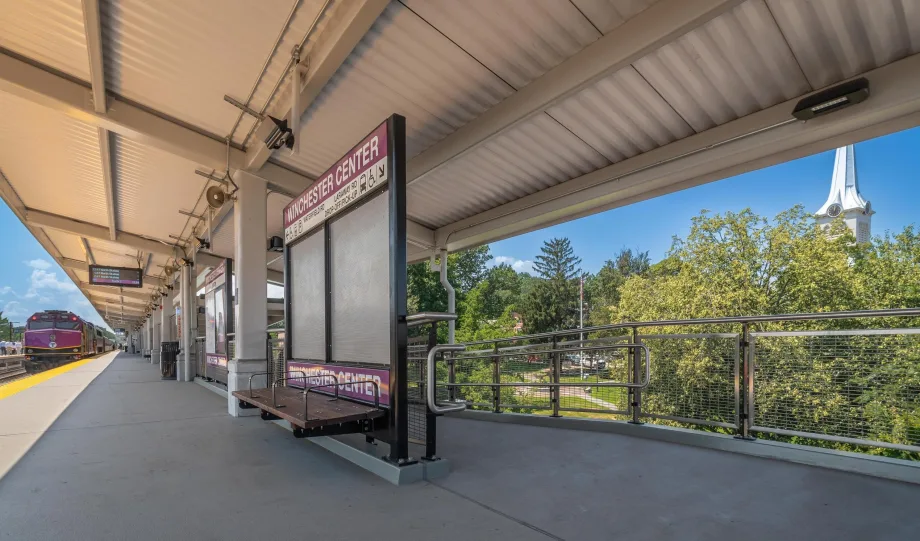
Winchester Center Station was completely inaccessible and had not seen major repairs since the 1950s. The station closed for repairs in 2021, and construction began in 2022.
Photo: The T\CEX
Boston’s MBTA and the Washington Metropolitan Area Transit Authority (WMATA) both marked milestones in infrastructure modernization with the openings of the Winchester Center Station and Bladensburg Bus Garage, respectively.
Both projects reflect a growing effort to modernize transit systems for enhanced accessibility, improved safety, and long-term resilience.
Adding Accessibility in Boston
Winchester Center Station was completely inaccessible and had not seen major repairs since the 1950s. The station closed for repairs in 2021, and construction began in 2022. The station has been partially open since September 2024.
Key station enhancements include:
Reconstructed two ramps and three new elevators to provide two fully accessible paths of travel to each platform.
A fully accessible, raised platform to accommodate longer nine-car commuter rail trains.
Upgraded canopies, signs, railings, and lighting for safety and security.
A modernized public information system that broadcasts information both audibly and visually.
Added benches, a bike storage room, and other amenities for comfort and convenience.
Updated walkways, sidewalks, and a parking lot area along Laraway Road.
New generator back-up and full emergency lighting back-up.
Bus Route 134 is anticipated to reestablish a stop at Winchester Station in late August.
“I want to thank the entire MBTA workforce, our contractors, and our state and local elected officials for their commitment to delivering a station that is modern, safe, state-of-the-art, and fully accessible to all riders,” said MBTA GM/CEO Phillip Eng. “This is another important step forward in building a more inclusive transit system — one station at a time.”
WMATA’s New Bus Garage
Meanwhile, WMATA’s multi-phase Bladensburg Bus Garage project consolidates three outdated buildings into one, state-of-the-art, sustainable operations and maintenance hub.
The garage boasts 31 maintenance bays, a body shop and paint booth, an employee wellness center, dispatch and operating support offices, a new compressed natural gas fuel yard, and four bus fueling lanes, as well as enhanced security, lighting, and landscaping around the facility’s perimeter.
The new facility will bring widespread benefits: customers will enjoy more reliable bus service, nearly 500 employees will gain a safer and more modern workplace, and WMATA will experience improved operational efficiency.
The facility is designed to achieve LEED Platinum certification, featuring solar panels and a rainwater harvesting system for bus washing.
“Our original Bladensburg facility was built in 1962 and no longer reflected Metro’s modern transit system,” said WMATA GM/CEO Randy Clarke. “We are so proud to transform one of Metro’s oldest assets, which services bus routes in the District and parts of Maryland, into one of our most advanced facilities.”
Additional Features Coming Soon
Construction of a new multi-level parking structure, which will accommodate 292 buses and feature parking spaces for employees, is scheduled to begin soon.
New, separate entrances for buses and staff, which will help traffic flow through the area, will also be part of the next phase of construction.
“The new Bladensburg Bus Garage stands as a symbol of progress, sustainability, and Metro’s unwavering commitment to service,” said WMATA Board Chair Valerie Santos. “It’s an honor to represent the WMATA Board at today’s ribbon-cutting for a facility that reflects our promise to employees and customers alike — Metro is investing boldly in the future.”
More Management
Brian Dickson on Building Stronger, More Resilient Transportation Organizations
Bus Business Consultants Founder Brian Dickson discusses the leadership principles, operational discipline, and strategic planning that separate transportation companies positioned for long-term success from those stuck in survival mode.
Read More →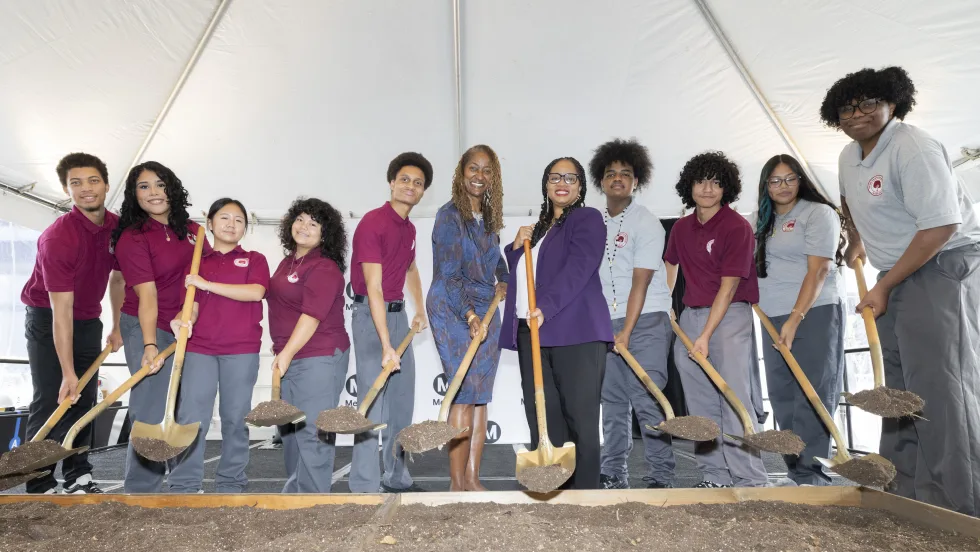
LA Metro Breaks Ground on Vermont BRT Project
The 12.4-mile corridor is projected to serve 66,200 daily riders, reduce travel times by up to 24%, and create the nation's busiest bus rapid transit corridor.
Read More →
Building Stronger Leaders, More Resilient Transit Teams
Dr. Carol Parker Walsh discusses leadership development, employee retention, workplace culture, and preparing transit’s workforce for AI and automation.
Read More →
Roman Cornell on ABC Companies’ Evolution and the Future of Passenger Transportation
The company’s CEO discusses carrying forward a third-generation family legacy, ABC’s continued evolution in passenger transportation, support for increasingly complex fleets, and how technology and continued investment could help operators improve uptime.
Read More →
CATS Launches West Charlotte Microtransit Zone, Expands Transit Services
The new microtransit zone connects residents to key destinations as Charlotte Area Transit System rolls out the first phase of its 2055 Transit System Plan.
Read More →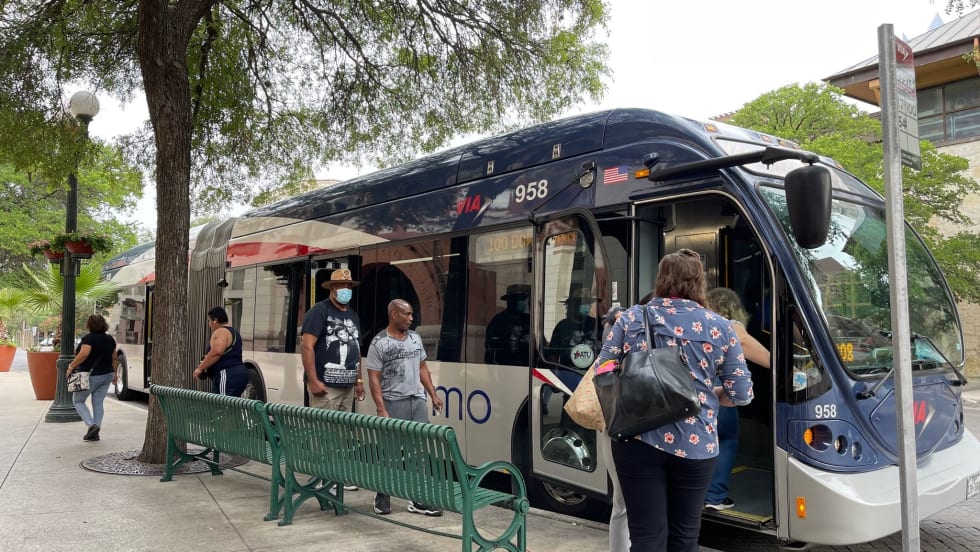
VIA Bus Ridership Grows 10.1% Through August 2026
San Antonio's VIA Metropolitan Transit reported the highest bus ridership growth among major Texas transit systems. Federal Transit Administration data ranked it second among the nation's 50 largest transit systems.
Read More →
CSA Group Releases Climate Resilience Standard for Transit, Passenger Rail
Developed with support from the Standards Council of Canada, CSA D700 guides assessing climate-related risks and planning adaptation measures for transit and passenger rail systems.
Read More →
ETA CEO John Maglio on Transit Technology, Innovation, and Building Agency Trust
ETA founder and CEO John Maglio explores the evolution of transit technology, the importance of reliable systems, and how stronger partnerships can help agencies improve operations and the passenger experience.
Read More →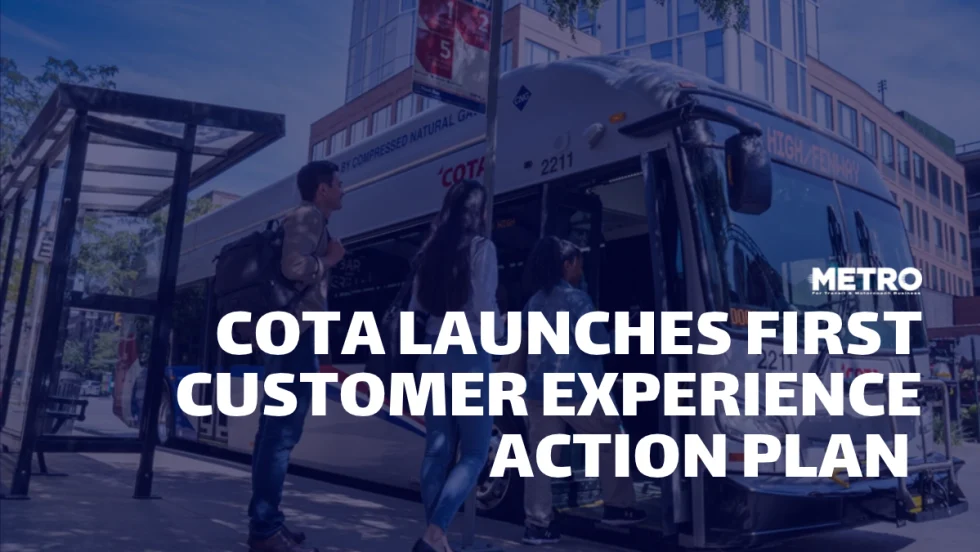
COTA Launches First Customer Experience Action Plan to Improve Transit Service
The new plan outlines improvements to service reliability, accessibility, communication, and the overall rider experience across Central Ohio's transit system.
Read More →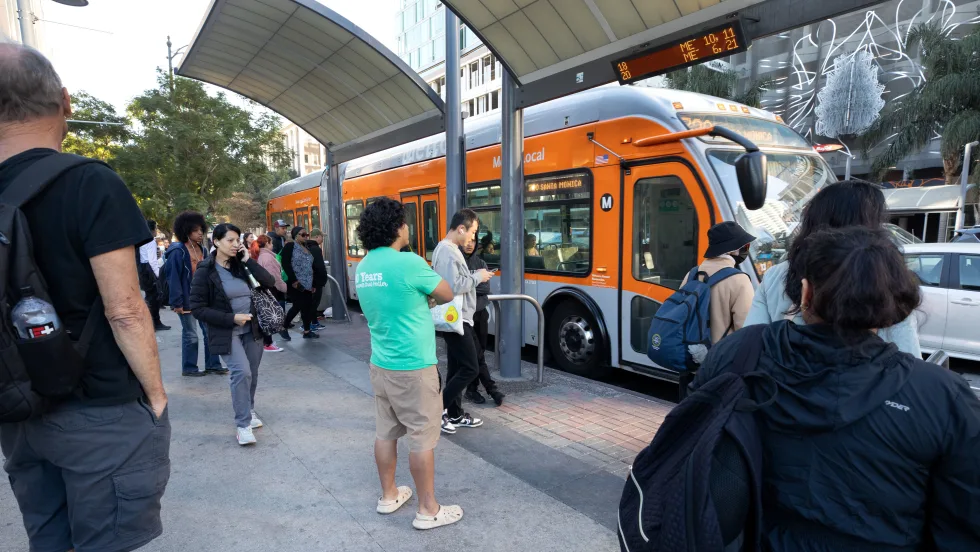
LA Metro September Ridership Climbs 3.9%, Led by Rail Growth
The agency recorded more than 27.2 million boardings, with rail ridership increasing 12.4% year over year and the D Line posting the largest gains.
Read More →