



WMATA Launches First Major Metrobus Overhaul in 50 Years
Branded as part of the “Better Bus” initiative, the overhaul is designed to deliver more frequent, reliable, and user-friendly service across Washington, D.C., Maryland, and Virginia, aligning transit with the region’s evolving mobility patterns and community needs.

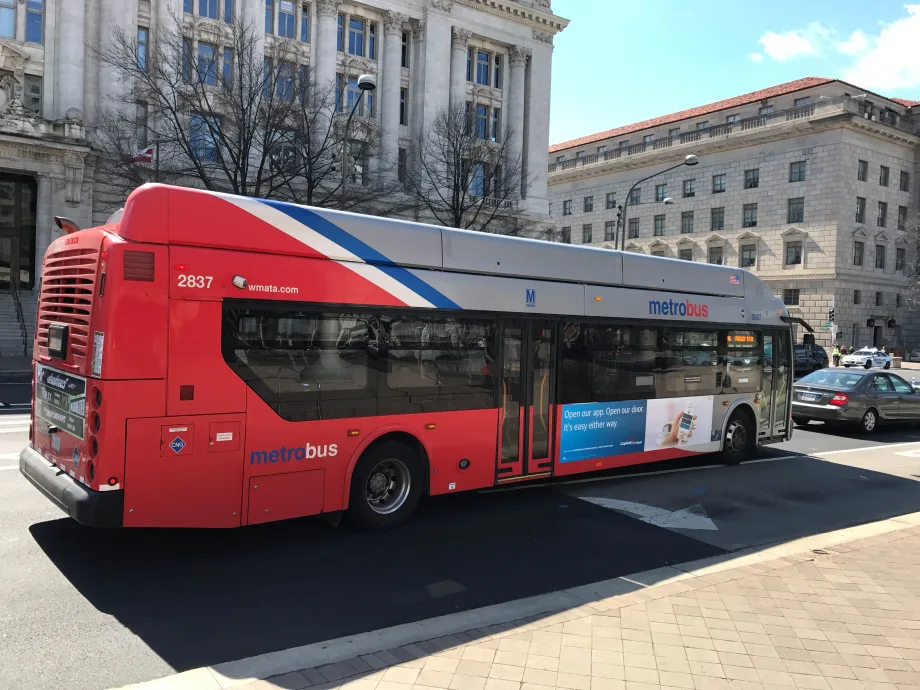
According to the agency, the Better Bus network marks a pivotal step in WMATA’s broader strategy to deliver a more modern, efficient, and equitable transit experience, bringing riders closer to the reliable public transportation system they’ve been asking for.
Photo: METRO
In its most significant service transformation since 1973, the Washington Metropolitan Area Transit Authority (WMATA) launched a completely redesigned Metrobus network.
Branded as part of the “Better Bus” initiative, the overhaul is designed to deliver more frequent, reliable, and user-friendly service across Washington, D.C., Maryland, and Virginia, aligning transit with the region’s evolving mobility patterns and community needs.
“This is a historic moment for Metro and our region,” said WMATA GM/CEO Randy Clarke. “The new network reflects years of community input and careful planning to create a bus system that’s more reliable, accessible, and ready for the future.”
The redesigned network introduces a suite of rider-focused improvements, including:
New Route Naming Conventions: All routes will adopt streamlined, intuitive names, such as “C” for crosstown D.C., “P” for Prince George’s County, and “A” for Arlington/Alexandria.
Improved Frequencies and Connections: Many routes feature more frequent service, better links to key destinations, and tailored improvements for school and work commutes.
Simplified Schedules: With approximately 5% of bus stops removed, Metro aims to improve on-time performance and reduce overall travel times.
Stable Fares: Metrobus fares remain unchanged at $2.25.
Shaping the New Future of Metrobus
This comprehensive update was shaped by more than 21,000 public comments and extensive technical planning.
“Redesigning a bus network of this size without a budget increase requires creativity, technical expertise, and commitment to operational efficiency,” said WMATA Board Chair Valerie Santos. “Metro’s new modernized bus network is designed to bring much-needed service to previously underserved areas while strengthening the region’s transit system.”
The launch is part of a broader regional effort to align local bus services for better integration.
In Prince George’s County, the local bus system, TheBus, will launch its updated network on June 30, with several routes coordinated between WMATA and TheBus. Meanwhile, Montgomery County’s Ride On service will introduce its updated network concurrently with WMATA on June 29, enhancing county-to-county connectivity.
To ensure a smooth transition, the agency is deploying clear signage and multiple digital tools:
New Bus Stop Signage: Updated signs across the region include current and future route information and contact details for WMATA customer support.
Trip Planning Tools: Riders can access WMATA’s Trip Planner and MetroPulse app to navigate the new system.
Multilingual Route Resources: Route-specific maps and neighborhood guides are available on the agency’s website.
Printable Timetables: Riders can create and print customized timetables for their preferred routes.
According to the agency, the Better Bus network marks a pivotal step in WMATA’s broader strategy to deliver a more modern, efficient, and equitable transit experience, bringing riders closer to the reliable public transportation system they’ve been asking for.
More Bus

Scenes from APTA TRANSform & EXPO 2026
Transit leaders, manufacturers, and industry professionals gathered in Chicago to explore new technologies, share ideas, and discuss the future of public transportation.
Read More →
More Than a Summer Job: Building the Next Generation of Transit Talent
The Delaware River Port Authority and PATCO have transformed their internship program into a hands-on professional development experience that introduces students to the breadth of transportation careers — and creates a pipeline for future employees.
Read More →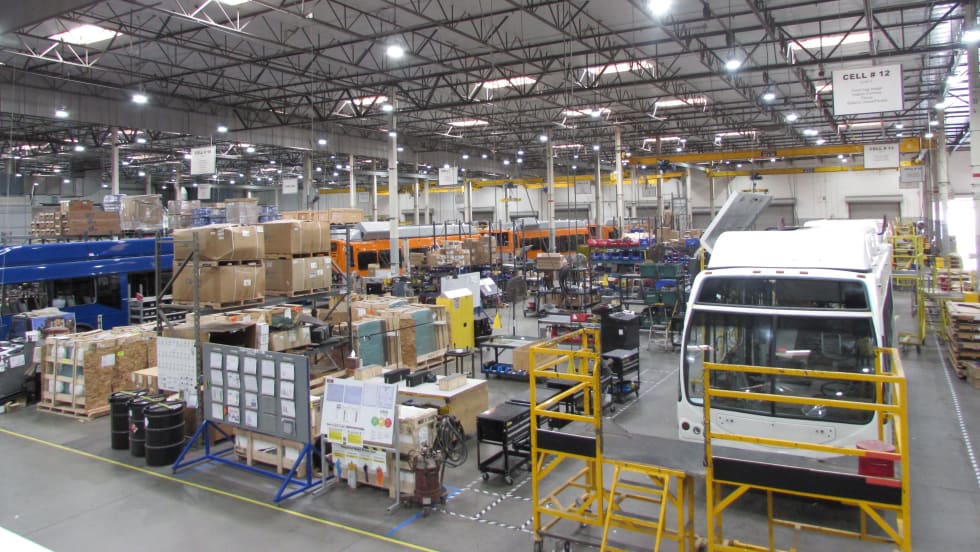
LA Metro Board Awards 220 Battery-Electric Bus Contract to ENC
The contract, which is the largest base award of battery-electric buses by a U.S. transit agency, will be built in Southern California, sustaining good jobs as LA prepares to welcome the world in 2028
Read More →
Public Transit Conference Returning to GFX in 2027, Call for Papers Now Open
The Call for Papers is now open, allowing transit agency professionals and industry experts to help shape the PTC educational program by submitting session ideas for consideration.
Read More →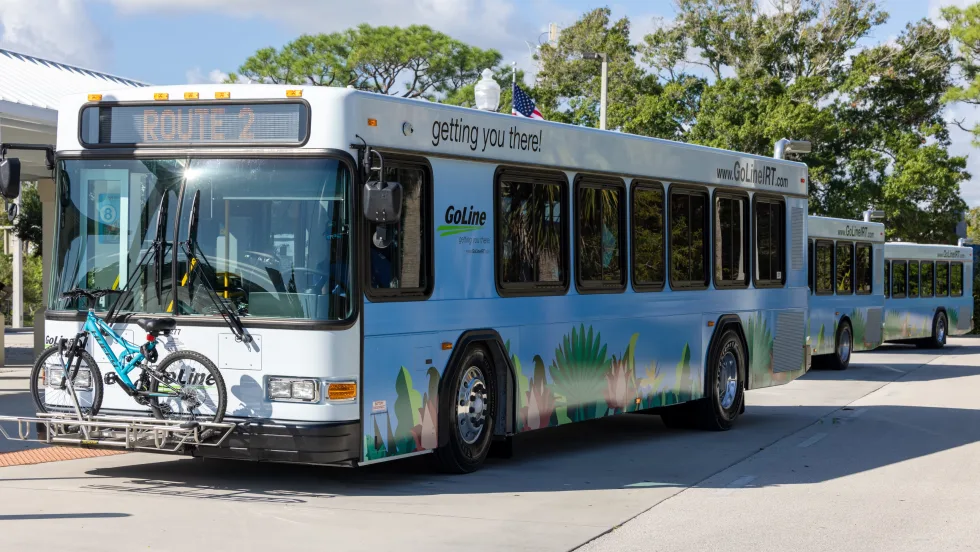
Indian River Transit’s Community-Focused Approach Earns National Recognition
Named APTA’s 2026 Outstanding Public Transportation System in its size category, Florida’s Indian River County transit system continues to grow ridership through fare-free service and a focus on evolving community needs.
Read More →
ENC Lands MATA Contract and More in Biz Briefs
In this edition of Biz Briefs, we spotlight the latest developments shaping the future of mobility.
Read More →
From Surviving to Thriving: Building Stronger Transportation Organizations
Bus Business Consultants founder Brian Dickson shares lessons on leadership, organizational health, and creating options for long-term success in a changing transportation industry.
Read More →
Everett Transit, Community Transit Outline Consolidation Agreement
The proposed agreement calls for a 50% increase in bus service in Everett, a new microtransit zone, continued paratransit service, and the transfer of Everett Transit operations to Community Transit.
Read More →
SEPTA Details Accelerate Vision for Transit System
The plan outlines investments in trolley modernization, new Metro and Regional Rail vehicles, accessible stations, and more frequent bus and rail service.
Read More →
Report: Transit Bus Manufacturing Supports 34,100 Jobs, $5.1B in GDP
The “Buses Mean Business” report examines the transit bus manufacturing industry’s economic footprint, supply chain, and rising demand for vehicle replacements.
Read More →