



Report: Competition Key to Revitalizing U.S. Passenger Rail
The report was written by Chapman and Ray Chambers, head of the Association for Innovative Passenger Rail Operations and a Senior Fellow at the Discovery Institute.

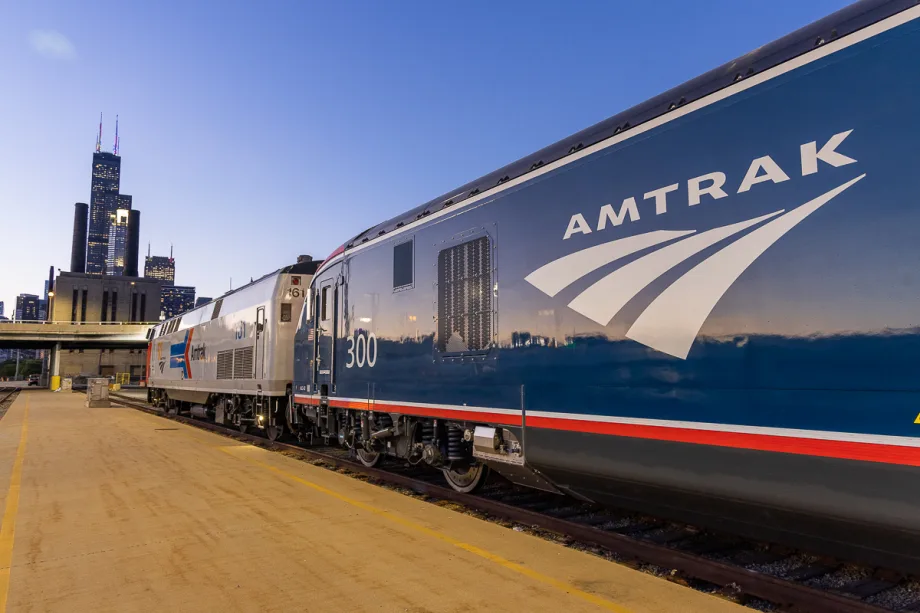
The authors of the Discovery Institute report propose eight reform goals, including a competitive access model, the separation of infrastructure and operations in the Northeast Corridor, a sustainable federal rail capital fund, and the creation of a national high-speed rail plan.
Photo: Amtrak
A new report from the Discovery Institute outlines a bold vision for restoring American passenger rail through competition, private sector innovation, and targeted infrastructure investment.
The report was written by Chapman and Ray Chambers, head of the Association for Innovative Passenger Rail Operations and a Senior Fellow at the Discovery Institute.
Report Findings
Titled "Competition Will Put Passenger Rail on the Right Track," the report argues that the time is ripe for meaningful reform.
With Congressional reauthorization of transportation policy on the horizon and growing interest from private operators like Brightline and Texas Central, the authors propose a Passenger Rail Authority to restructure the national system and open the door for public-private partnerships.
The authors propose eight reform goals, including a competitive access model, the separation of infrastructure and operations in the Northeast Corridor, a sustainable federal rail capital fund, and the creation of a national high-speed rail plan. They also call for state-level management of short-distance routes and safeguards for labor rights during the transition.
"The future of passenger rail is not about dismantling Amtrak — it's about modernizing it and allowing private innovation to thrive alongside it," said Chambers.
The report highlights successful private rail models such as Brightline in Florida and recommends leveraging infrastructure grants to stimulate further private investment and improve service quality nationwide.
About the Discovery Institute
Discovery Institute is a non-profit educational and research organization whose mission is to advance a culture of purpose, creativity, and innovation. It sponsors programs in areas such as economics, education, science and technology, bioethics, and artificial intelligence.
Bruce Chapman is the founder and board chair of the Discovery Institute and a former member of the Amtrak Reform Council. Ray Chambers is a longtime rail advocate and a Senior Fellow at the Discovery Institute, and leads the Association for Innovative Passenger Rail Operations.
More Rail
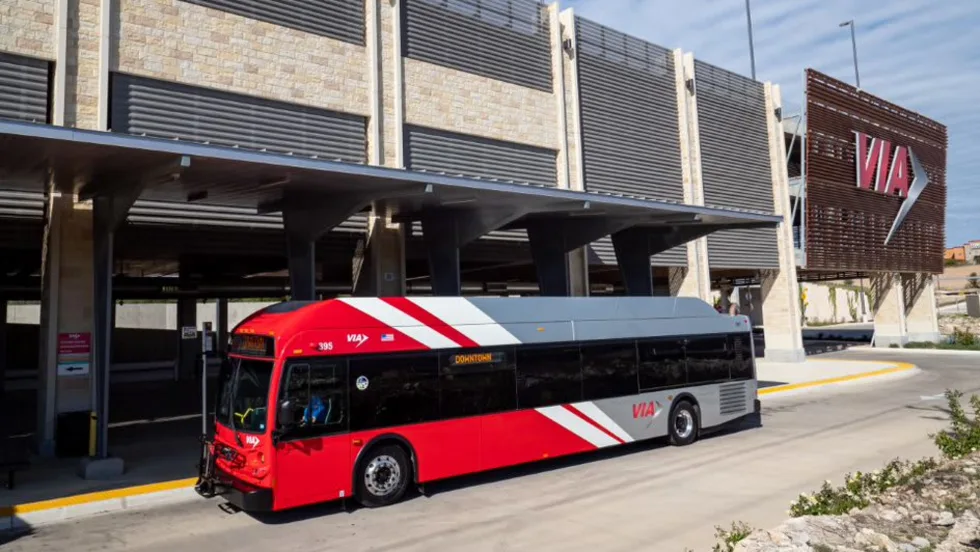
VIA, MBTA Reach Pre-Pandemic Ridership Milestones as Transit Use Climbs
VIA surpasses three million monthly trips for the first time since 2020, while the MBTA tops one million average weekday trips as both agencies report continued ridership growth.

People Movement: Metrolink's Kettle Announces Retirement, Feakins to CEO at UZURV, and More
In this edition, we also cover recent appointments and announcements at King County Metro, SilverRide, and more, showcasing the individuals helping to shape the future of transportation.
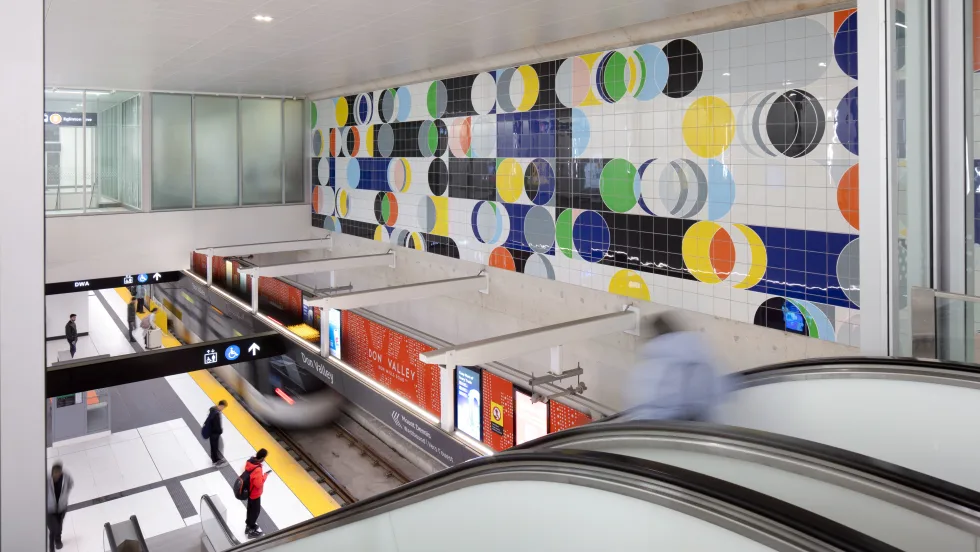
How Gen Z's Changing Mobility Habits Are Reshaping Public Transit
As younger generations embrace multimodal mobility over private vehicles, transit agencies can rethink station design, the passenger experience, and public transportation's role in building connected communities.
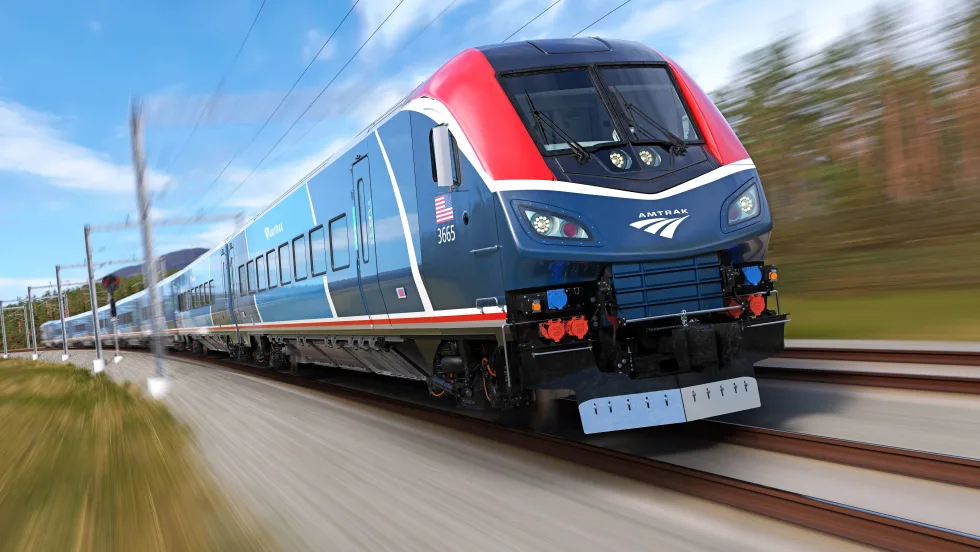
Amtrak Expands Airo Fleet with Eight Higher-Capacity Trainsets
The new 10-car trains, expected to enter service in 2031, will provide about 34% more seating capacity to meet growing demand on the Northeast Corridor.

APTA Urges FTA to Withdraw Proposed Capital Investment Grants Guidance
The association warns that proposed changes could delay transit projects, reduce federal funding, and create new hurdles for 47 projects currently in the CIG pipeline.
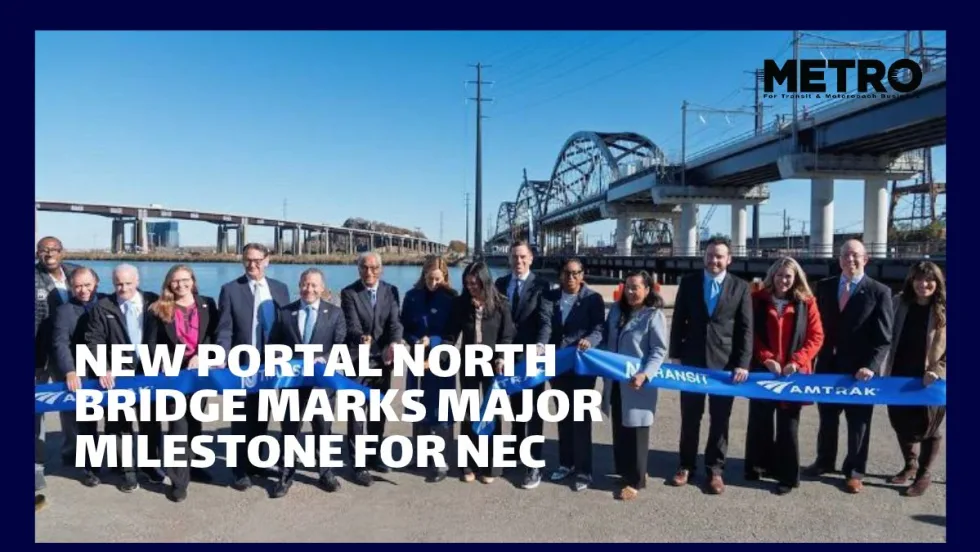
Amtrak, NJ TRANSIT Launch Full Service on New Portal North Bridge
The completion of the two-track bridge over the Hackensack River eliminates a longstanding source of delays for NJ TRANSIT and Amtrak customers. It marks a major milestone for the Gateway Program.
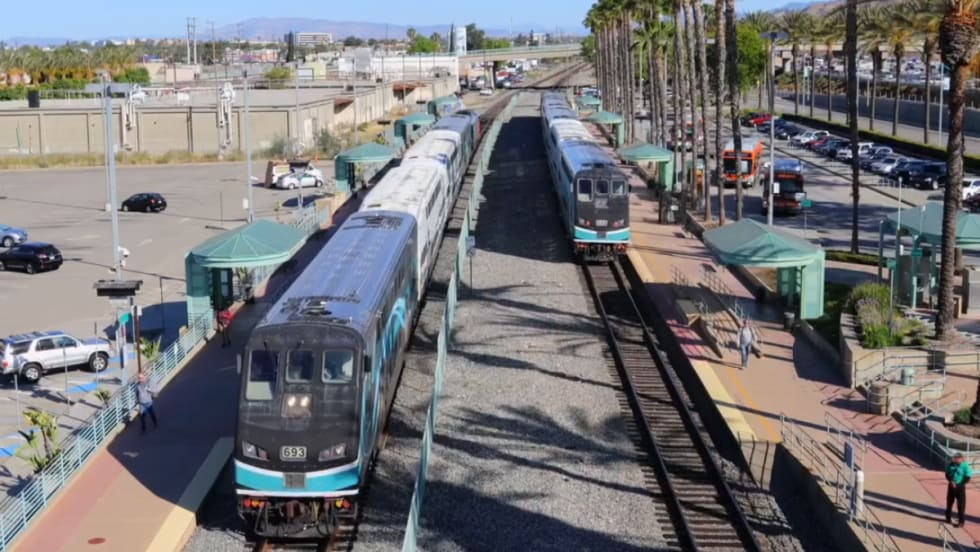
Southern California’s Metrolink Approves $508.8M Budget, Avoids Service Cuts
A $20 million state allocation allows the regional rail agency to maintain existing weekday and weekend service through fiscal year 2028, although longer-term funding challenges remain.
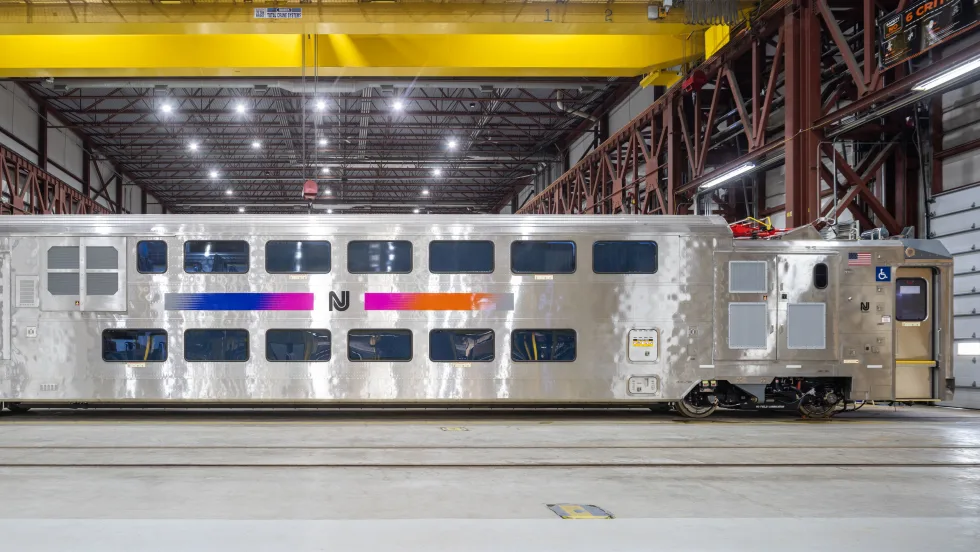
NJ TRANSIT Approves $65.6M for Hudson-Bergen Light Rail Improvements
The funding marks the first phase of a planned $250 million investment over five years to modernize stations, overhaul vehicles, and improve system reliability and passenger safety.
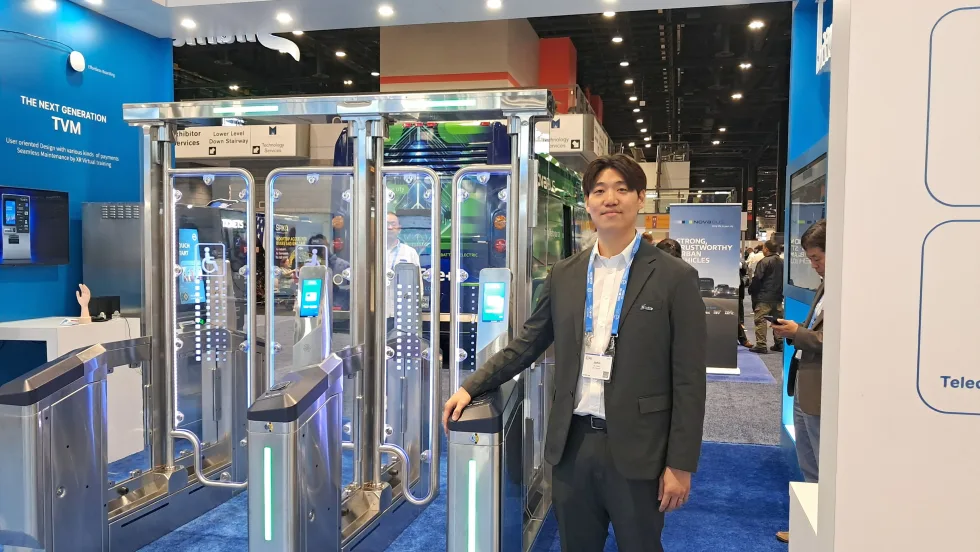
STraffic Expands North American Presence with Fare Collection Technology
John Moon, Associate Director, Product Strategy at STraffic, discusses the company's growth in North America, its efforts to reduce fare evasion, and more.
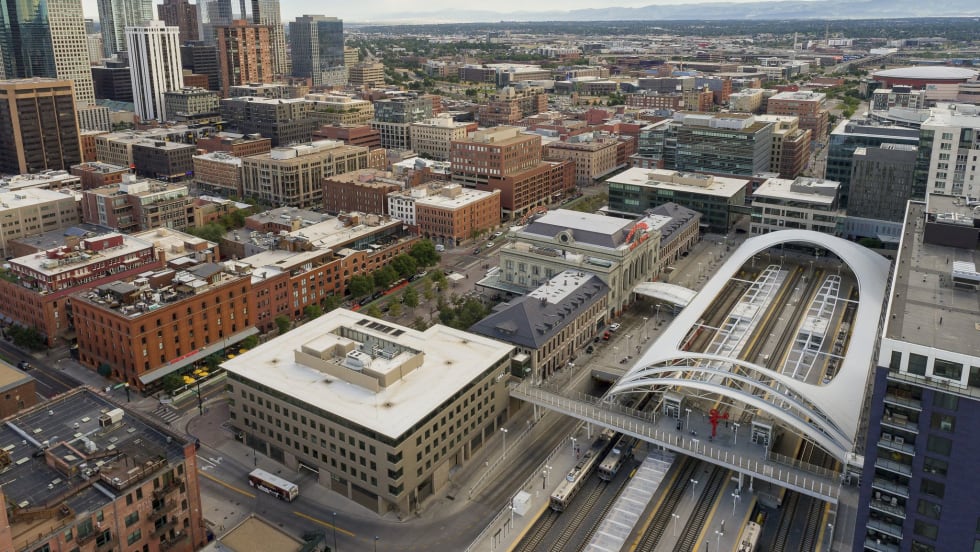
Study: Denver RTD Generates $2.1 Billion in Annual Economic Activity
An economic impact study finds the agency supports approximately 17,500 jobs, delivers $1.6 billion in annual community and mobility benefits, and generates $2.42 in economic value for every dollar invested.