



Amtrak Pushes Ahead on Trio of East Coast Rail Yard Projects
Combined with two similar projects already under construction in Philadelphia and Seattle, and another in planning for Rensselaer/Albany, New York, these collective investments will support Amtrak’s continued record ridership growth and help deliver a new era of passenger rail in America.

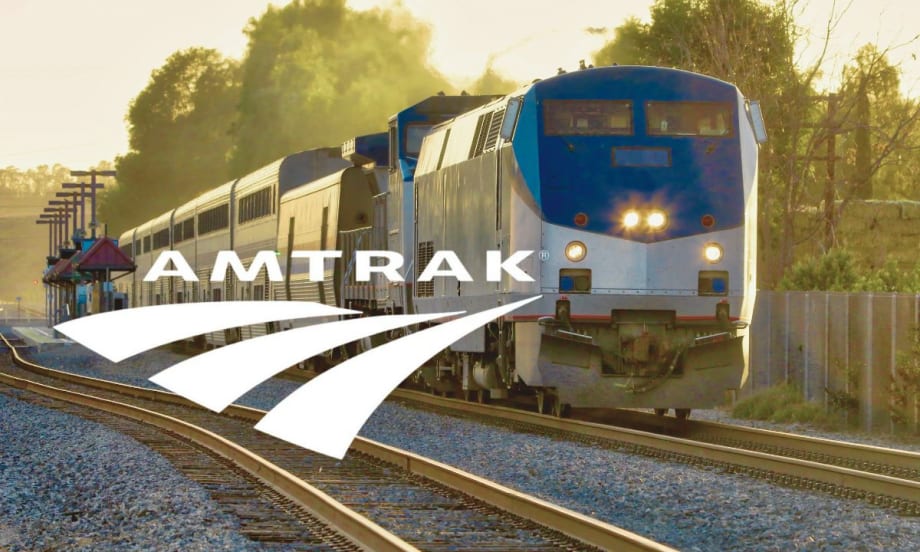
Combined with two similar projects already under construction in Philadelphia and Seattle, and another in planning for Rensselaer/Albany, New York, these collective investments will support Amtrak’s continued record ridership growth and help deliver a new era of passenger rail in America.
Amtrak awarded design-build contracts and has begun preconstruction activities for three rail yard modernization projects on the Northeast Corridor (NEC), which will help improve service reliability and enable more efficient, world-class train maintenance, according to the rail line.
“These investments are key to introducing our new Airo trains on the Northeast Corridor beginning in 2027,” said Roger Harris, president at Amtrak. “With ridership and revenue at all-time highs, we’re making great strides to meet this growing demand with new, state-of-the-art trains that will improve service reliability and the overall customer experience.”
Investing in Amtrak
Combined with two similar projects already under construction in Philadelphia and Seattle, and another in planning for Rensselaer/Albany, New York, these collective investments will support Amtrak’s continued record ridership growth and help deliver a new era of passenger rail in America.
While not visible to guests on their Amtrak journey, these upgrades are necessary to support new Airo trains arriving on more than a dozen routes over the coming years, said Amtrak officials.
Each train will be operated as a single “trainset,” rather than individual railcars. The new rail yard facilities will help create a consistent maintenance system that improves efficiencies and reduces turnaround times during repairs or inspections, while also improving safety and overall working conditions for employees.

A Scalamandre-Citnalta Joint Venture will design and construct new maintenance, inspection, and servicing facilities — as well as other related upgrades.
Planned Work
Boston (Southampton Yard)
An SPS New England-Railroad Construction Company (RCC) Joint Venture will design and construct a new maintenance facility and renovate existing facilities to support Northeast Regional, Acela, and Long Distance trains that operate out of this yard, connecting with cities such as Chicago, New York, Philadelphia, Baltimore, Washington DC, and Richmond.
Improvements Include:
Construction of a new two-track Maintenance & Inspection facility.
Renovation of the existing two-track regional Service and Inspection facility into a two-track Service & Cleaning facility.
Work will be conducted in phases, with full project completion expected in 2029.
New York City (Sunnyside Yard)
A Scalamandre-Citnalta Joint Venture will design and construct new maintenance, inspection, and servicing facilities — as well as other related upgrades — to support Northeast Regional, Acela, Long Distance, and commuter trains that operate out of this yard, connecting with cities such as Albany, Boston, Chicago, Philadelphia, Baltimore, Washington DC, Richmond, Raleigh, Charlotte, Miami, and New Orleans.
Improvements Include:
Construction of a new two-track Maintenance & Inspection facility.
Construction of six new Service and Cleaning tracks with canopy coverage.
Consolidation of commissary, employee workspace, material storage, and parking into a single location within the yard, including an efficient modular office compound.
Bringing 11 existing service platforms to a state of good repair (required to clean/prepare trains for passenger service and store trainsets when not in operation).
Other infrastructure upgrades to accommodate this work, including reconfiguration of two major interlockings and tracks connecting the yard to the NEC.
Work will be conducted in phases, with full project completion expected in 2030.
Washington, DC (Ivy City Yard)
A Clark-Herzog Joint Venture will design, construct, and renovate new and existing maintenance and servicing facilities to support Northeast Regional (including the state-supported Amtrak Virginia service), Acela, Long Distance and commuter trains that operate out of this yard, connecting with cities such as Boston, New York, Philadelphia, Baltimore, Richmond, Charlotte, Savannah, Miami, New Orleans, and Chicago.
Improvements Include:
Construction of three new exterior Service & Cleaning tracks with canopy coverage.
Renovation of two existing two-track maintenance facilities to include a new drop table.
Replacement of the existing water main infrastructure within and around the yard, which provides flexibility to serve multiple trainsets across the various facilities.
Work will be conducted in phases, with full project completion expected in 2030.
More Rail

New York MTA Advances Final Contract for Second Avenue Subway Expansion
Contract Four is the largest in the Second Avenue Subway Phase 2 project and includes construction of station infrastructure, tracks, and signals for the subway expansion, MTA officials said. Work on Contract Four will begin in 2027.
Read More →
San Diego MTS Breaks Monthly Trolley Ridership Record
Agency officials said July’s ridership indicates MTS’s continued recovery from the pandemic.
Read More →
Report Examines NJ TRANSIT Reliability, Funding Challenges
The Garden State Initiative analysis examines the roles of Amtrak infrastructure, fleet management, and agency operations while recommending a more performance-based approach to improving reliability.
Read More →
Stadler, CapMetro Sign Long-Term Rail Fleet Support Agreement
Beginning in 2027, Stadler will provide on-site technical expertise, spare parts support, training, and obsolescence management to help extend the reliability and longevity of CapMetro’s GTW fleet.
Read More →
Biz Briefs: Alstom Lands Canadian Contract, LYT to Supply California TSP, and More
In METRO's latest installment, we take a look at recent news from Complete Coach Works, Beep, FlixBus, and more partnerships making headlines across the transportation sector.
Read More →
CATS Gold Line Marks 5 Years of Service, 2.8M Passenger Trips
With a six-mile expansion planned, the Charlotte streetcar is positioned to connect more neighborhoods and major transit hubs across the region.
Read More →
Why Simulating Pedestrian Movement Has Become Essential for Modern Rail Stations
Pedestrian microsimulation is helping rail planners identify bottlenecks, test station designs, and prepare complex transit hubs for growing passenger volumes.
Read More →
Amtrak Begins Major Construction at New York’s Sunnyside Yard
The new maintenance facility will support Amtrak’s Airo trainsets while improving maintenance efficiency and turnaround times in New York.
Read More →
Chicago Leaders Unveil Plans for O’Hare Airport Express Train
The privately developed project would offer a 15-minute trip between downtown and O’Hare’s Terminal 2, with trains operating every 15 minutes on a dedicated track. The service would use battery-electric trains and three existing freight rail rights-of-way.
Read More →
OCTA Maps Out 30-Year Strategy to Protect Coastal Rail Corridor
The draft feasibility report identifies strategies to protect the coastal rail line for decades as the agency continues near-term stabilization and sand placement efforts.
Read More →