




Related: Bay Area Poll Shows Majority Support for Potential 2026 Transit Measure
Shutdown Ends, Fiscal Pressures Continue for Transit Sector
Though core transit funding held steady during the record-long shutdown, temporary fixes and growing federal debt signal uncertainty for future infrastructure and operations support.
November 14, 2025

Although the shutdown halted grant-making and reimbursements, funding for major programs are largely unaffected on a day-to-day basis.
Photo: METRO
2 min to read
On Wednesday, Nov. 12, President Donald Trump signed legislation ending the longest government shutdown in U.S. history. The legislation came hours after the House of Representatives voted to reinstate pay for federal workers and “revive a hobbled air-traffic control system,” according to Reuters. The Republican-controlled chamber passed the package by a vote of 222-209.
Although the shutdown halted grant-making and reimbursements, funding for major programs, such as those for public transit agencies under the Federal Highway Administration (FHWA), the Federal Transit Administration, and the Federal Motor Carrier Safety Administration, are largely unaffected on a day-to-day basis.
Sources like the Highway Trust Fund can help insulate agencies during a lapse, as reported by the American Road & Transportation Builders Association.
If future funds, like the shortfall in federal funding that helped support bus and metro systems during the pandemic, are impacted or “run out”, according to PBS correspondent John Yang, some agencies may face deficits, which can result in “reduced services and increased fares.”
Federal Services Face Slow Recovery After 43-Day Pause
However, after a 43-day pause, it may take some time for other businesses to resume as usual, including recuperation for national parks, food assistance, the Internal Revenue Service (IRS), and within the air travel system.
Reuters correspondents noted that “data on the U.S. economy from key statistical agencies” will be restored. The absence of data “left investors, policymakers and households largely in the dark about the health of the job market, the trajectory of inflation and the pace of consumer spending and economic growth.”
It’s likely that some data gaps will be permanent, as the White House reported that “employment and Consumer Price Index reports covering the month of October might never be released.”
According to Reuters and NPR, another potential shutdown could be in store by 2026, as the current bill “only funds the government through Jan. 30.” This leaves the federal government on a path to keep adding about $1.8 trillion a year to its $38 trillion in debt.
More Management

Bringing Austin’s First Light Rail System to Life
Austin Transit Partnership CEO Greg Canally discusses the city's nearly 10-mile light rail project, its collaborative approach to project delivery, the importance of community engagement, and the milestones ahead as construction approaches in 2027.
Read More →
ETA CEO John Maglio on Transit Technology, Innovation, and Building Agency Trust
ETA founder and CEO John Maglio explores the evolution of transit technology, the importance of reliable systems, and how stronger partnerships can help agencies improve operations and the passenger experience.
Read More →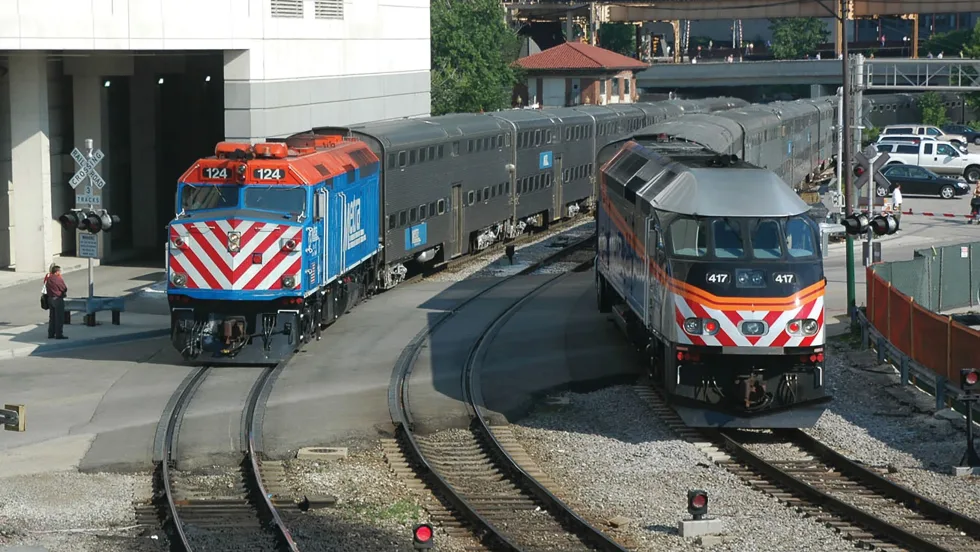
Metra Draft Plan Outlines Costs, Service Improvements for Regional Rail
The Systemwide Network Plan identifies infrastructure needs and potential investments to expand all-day, bidirectional rail service across the Chicago region.
Read More →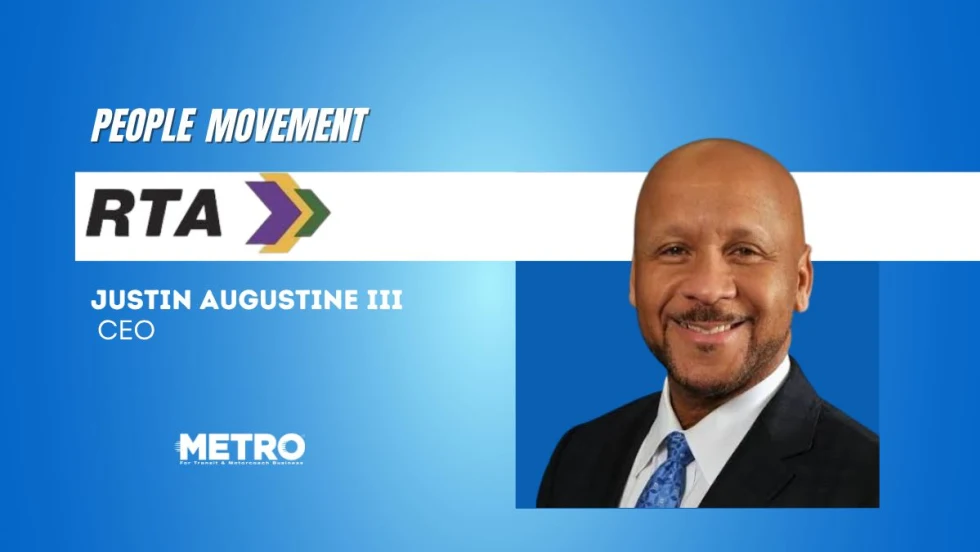
New Orleans RTA Names Augustine III as New CEO
In this edition, we also spotlight recent personnel moves at HDR, PATH, STV, and more, highlighting the people taking on new roles across the transportation industry.
Read More →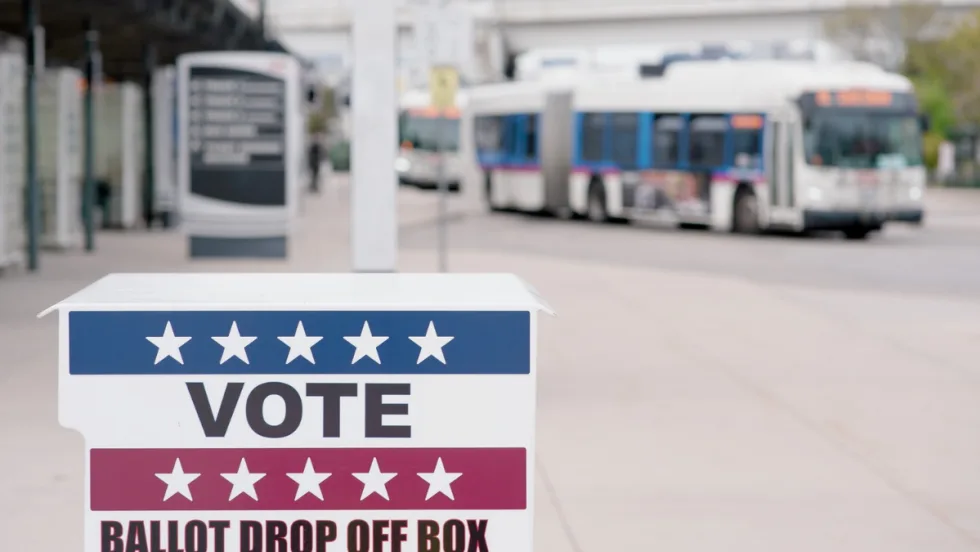
How Transit Agencies Are Using Free Rides to Improve Voting Access
Transit agencies are using fare-free service, trip-planning tools, and targeted rides to improve voting access. See what other agencies can learn from these efforts.
Read More →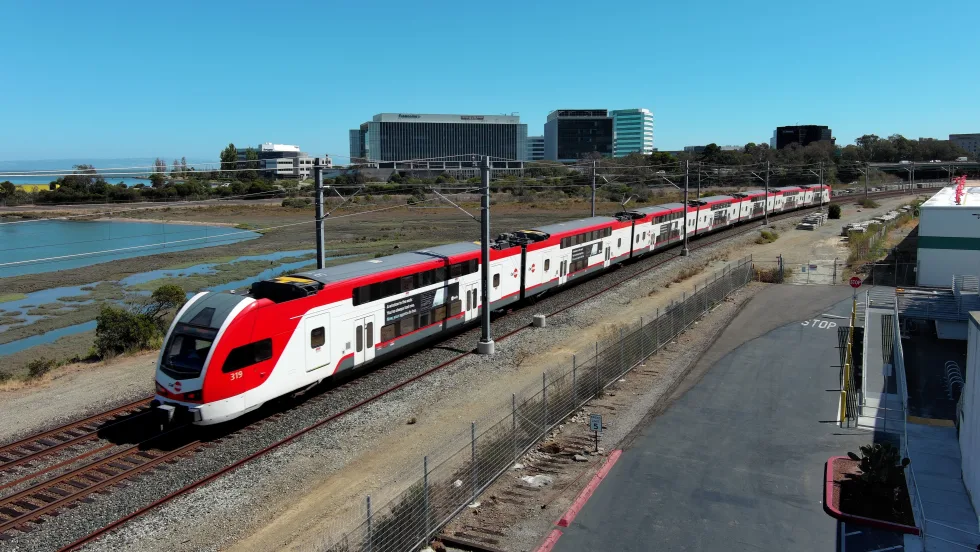
Caltrain’s Electrification Drives a New Era of Ridership Growth
The railroad’s shift to electric service has brought more frequent trains, stronger customer satisfaction, and increased ridership, earning it APTA’s Outstanding Public Transportation System award.
Read More →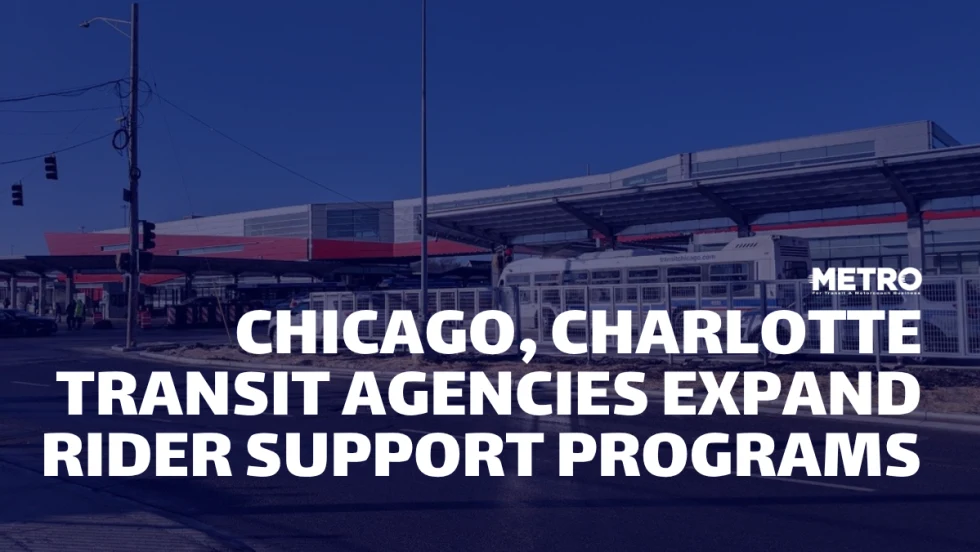
Chicago, Charlotte Transit Agencies Expand Rider Support Programs
CTA launched crisis intervention teams as CATS prepares to deploy fare ambassadors, expanding customer assistance and security efforts across both systems.
Read More →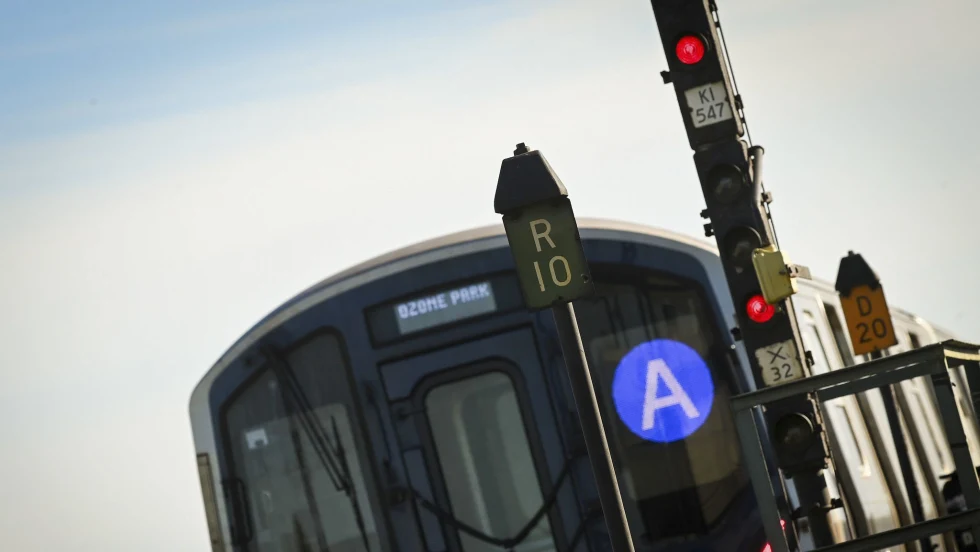
New York MTA Launches Historic $1.9B Signal, Track Modernization Project
Funded in part by congestion pricing revenue, the project will replace nearly century-old signals along the A and C lines in Brooklyn and Queens.
Read More →
Brian Dickson on Building Stronger, More Resilient Transportation Organizations
Bus Business Consultants Founder Brian Dickson discusses the leadership principles, operational discipline, and strategic planning that separate transportation companies positioned for long-term success from those stuck in survival mode.
Read More →
LA Metro Breaks Ground on Vermont BRT Project
The 12.4-mile corridor is projected to serve 66,200 daily riders, reduce travel times by up to 24%, and create the nation's busiest bus rapid transit corridor.
Read More →