




Keep Reading: Dallas' DART Adds first of New Gillig Buses
Study Reveals Transit Development in North Texas Has $18.1 Billion Economic Impact
The 25-year study from the University of North Texas estimates $51.5 million of direct tax revenues in transit-oriented developments in the past two years.
November 17, 2025
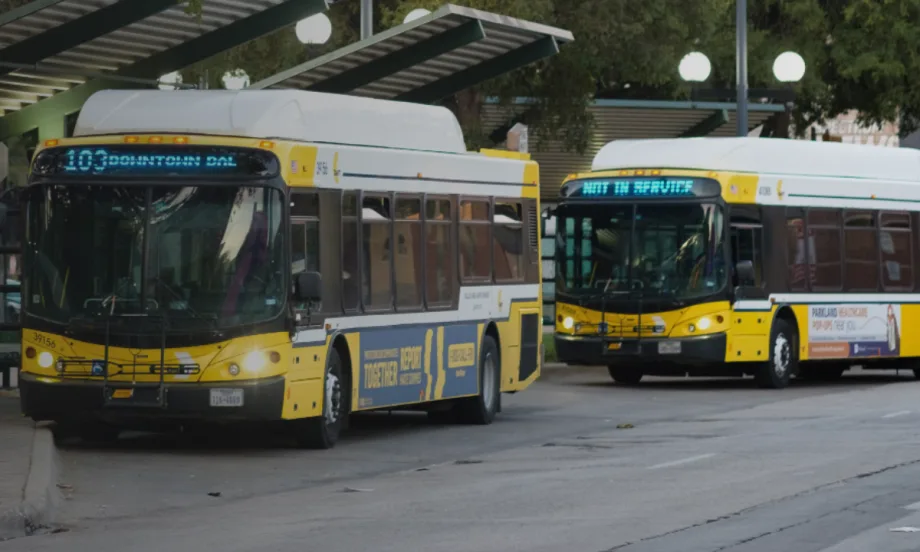
Construction around DART stations in 2022-2024 generated $51.5 million in state and local tax revenue, the bulk of which ($25.4 million) was from sales tax related to construction of the projects.
Photo: DART
2 min to read
The University of North Texas (UNT) Economic Research Group released the results of a 25-year study on the economic impact of transit-oriented development in North Texas today.
The key finding in the report is that development within a quarter mile of DART light rail stations has generated $18.1 billion direct economic impact on North Texas over the past 25 years. This includes a $1 billion direct impact in the two years from 2022 to 2024.
“The findings are not surprising because we know over the past 25 years of study that transit-oriented development around DART light rail stations results in commerce, tax revenue, and jobs,” said Michael Carroll, PhD, UNT’s university economist and director of the Economic Research Group. “When we center sustainable transportation in development, the result is beneficial in nearly every way.”
Development Around DART Spurs Jobs and Revenue
The study also found that rent premiums in transit-oriented developments were 10% higher for residential units and 12.6% higher for commercial units compared to those located more than half a mile from the station.
According to UNT in a DART release, transit-oriented development is also a "job creator," with 5,295 jobs directly created and more than $428 million in labor income generated in the last two years alone.
Construction around DART stations in 2022-2024 generated $51.5 million in state and local tax revenue, the bulk of which ($25.4 million) was from sales tax related to construction of the projects. In addition to this development-related sales tax, development around DART stations generated $21.1 million in property taxes, with $5.0 million in other state and local revenue from miscellaneous fees and fines.
These numbers outpace the core pandemic years (2019-2021) when construction around DART stations generated $50 million ($1.4 million less) in state and local tax revenue.
“When we talk about the role DART plays in the local economy, we mean that in a very literal sense, beyond just moving people to and from their jobs,” says Nadine Lee, DART CEO and president. “Every dollar generated by and within development around our light rail stations has the ability to improve our cities, provide economic mobility and stability to our residents, and grow opportunity for North Texas.”
More Management

APTA Honors 2026 Award Winners, Hall of Fame Inductees at TRANSform & EXPO
Innovations in autonomous and zero-emission transportation, standout transit systems, and industry leadership took center stage among this year's honorees.
Read More →
7 Ways to Build a Better Transit Internship Program
Lessons from DRPA/PATCO’s approach to creating a meaningful internship experience—and developing the next generation of transportation professionals.
Read More →
Scenes from APTA TRANSform & EXPO 2026
Transit leaders, manufacturers, and industry professionals gathered in Chicago to explore new technologies, share ideas, and discuss the future of public transportation.
Read More →
Building Stronger Leaders, More Resilient Transit Teams
Dr. Carol Parker Walsh discusses leadership development, employee retention, workplace culture, and preparing transit’s workforce for AI and automation.
Read More →
APTA 2026 TRANSform & EXPO Kicks Off in Chicago
After 45 years, APTA returns to Chicago with a focus on next-generation fleets, AI, connected transit networks, and the funding strategies shaping public transportation’s future.
Read More →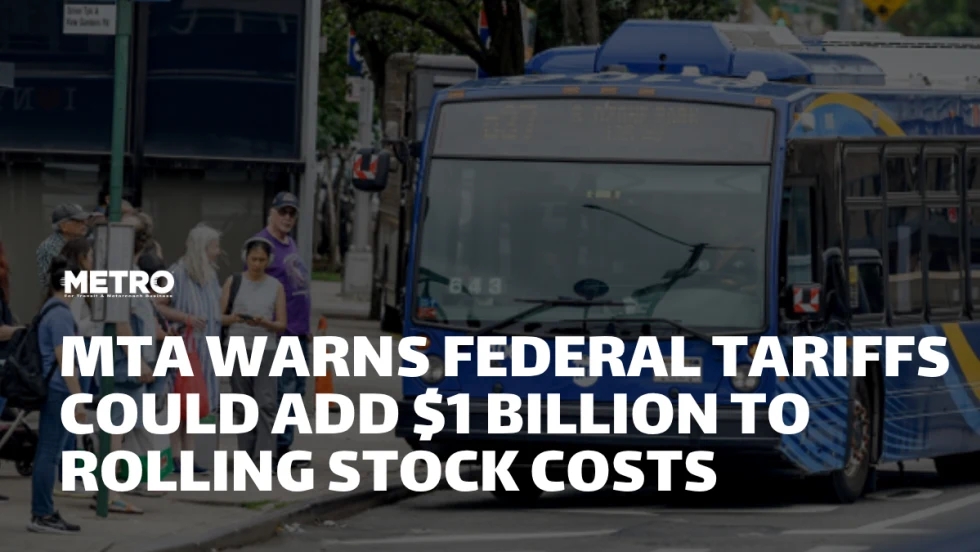
New York MTA Warns Federal Tariffs Could Add $1 Billion to Rolling Stock Costs
The agency said tariffs on specialized imported components could reduce the purchasing power of its $23 billion investment in new subway cars, railcars, and buses.
Read More →
From the Show Floor: What Happened at APTA TRANSform & EXPO 2026
See the latest product launches, partnerships, technology updates, and transit industry announcements from APTA TRANSform & EXPO in Chicago.
Read More →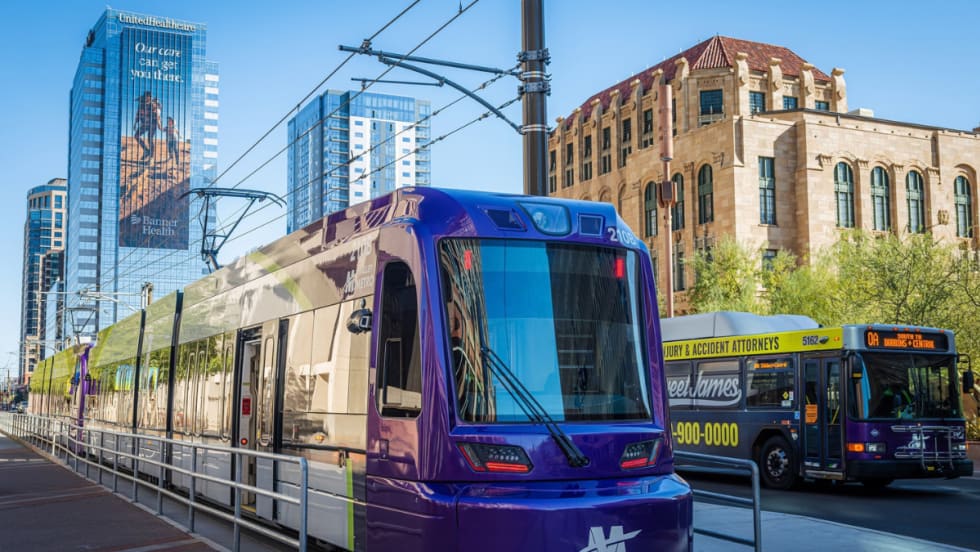
How Valley Metro Is Balancing Transit Growth With the Rider Experience
The APTA award-winning agency is pairing rapid system expansion with investments in workforce, safety, technology, and the fundamentals of transit service.
Read More →
Bus Tech Talk: Keeping Transit Technicians Ahead of the Technology Curve
In this episode of Bus Tech Talk, Complete Coach Works’ Business Development Manager Mark Hollenbeck and METRO’s Executive Editor Alex Roman sit down with Obed Mejia, Senior Technical Trainer for Bus Maintenance, at LA Metro to discuss how rapidly evolving bus technology is changing the maintenance shop — and the skills technicians need to keep pace.
Read More →
Michael Schneider Joins Paslay Group to Expand Transportation Practice
The longtime transportation executive will help Paslay Group grow its advisory and program management work across transit, highway, and other infrastructure sectors.
Read More →