



Houston METRO Introduces RideMETRO Fare System
The upgraded system, which went live earlier this month, supports METRO’s METRONow vision to enhance the customer experience, improve service reliability, and strengthen long-term regional mobility.

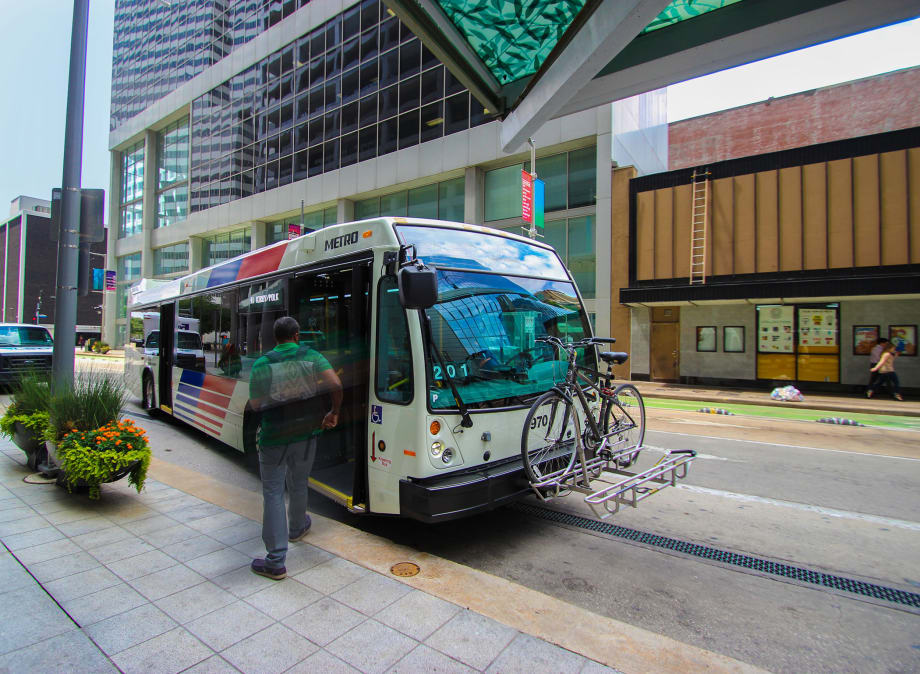
The new system will replace the METRO Q Fare Card and Q Mobile Ticketing App on April 5, 2026.
Credit: Houston METRO
Houston METRO launched the new RideMETRO fare system, making it easier than ever for customers to pay, ride, and manage their trips.
The upgraded system, which went live earlier this month, supports METRO’s METRONow vision to enhance the customer experience, improve service reliability, and strengthen long-term regional mobility.
“We want riding METRO to feel easy and intuitive for everyone, whether you ride with us every day or you’re stepping on board for the first time,” said METRO Board Chair Elizabeth Gonzalez Brock. “By expanding payment options and simplifying fares, we’re removing unnecessary barriers and making it faster and more convenient for people to move confidently across our region.”
Houston’s New Fare System
With the new system in place, customers can now tap or scan to pay using several options:
RideMETRO Fare Card (physical or virtual).
Credit or debit card (Visa, Mastercard, American Express, Discover).
Mobile wallet (Apple Pay or Google Pay).
Ticket Vending Machine (TVM) paper ticket.
Cash (accepted in buses and TVMs).
The new account-based system allows customers to:
Add funds easily.
Lock and replace lost or stolen cards.
Track reward progress.
Manage multiple cards under one account.
Access fare tools via the RideMETRO App or online portal.
App Integration
METRO’s frequent rider rewards have also been updated. Customers using the RideMETRO Card will now receive one free ride after every 10 paid trips — offering faster rewards and more value.
The RideMETRO App consolidates several key tools in one place: trip planning, live bus tracking, service alerts, route information, and account management.
The new system will replace the METRO Q Fare Card and Q Mobile Ticketing App on April 5, 2026.
More Technology
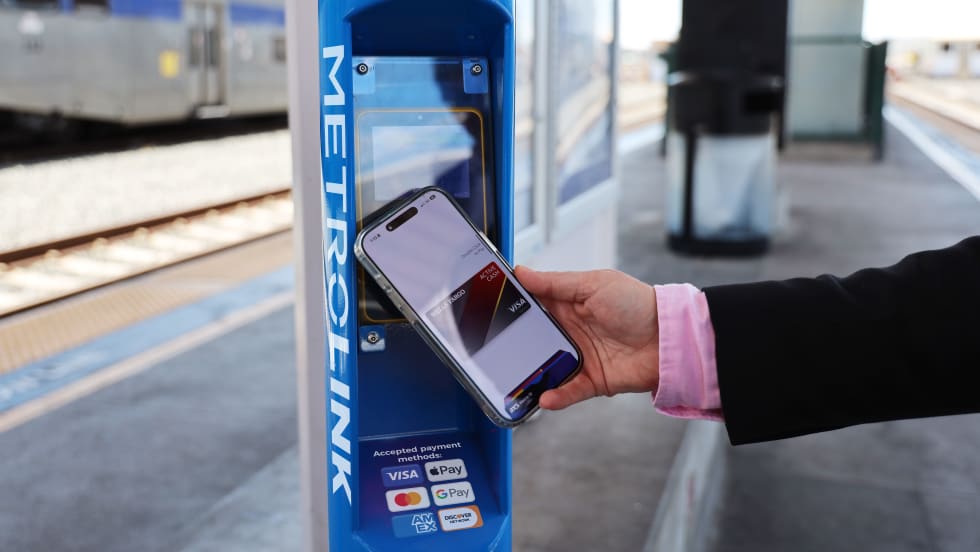
Southern California's Metrolink Debuts Contactless Fare Payment Pilot
Customers traveling between Redlands and Los Angeles can now tap their preferred payment method, including a credit or debit card, mobile wallet, or wearable device, at station validators before boarding and again while exiting.
Read More →
METROspectives: CharterUP CEO Armir Harris on Modernizing Mobility
From digital transformation to evolving customer demands, CharterUP's CEO Armir Harris offers his perspective on the transportation industry's next chapter.
Read More →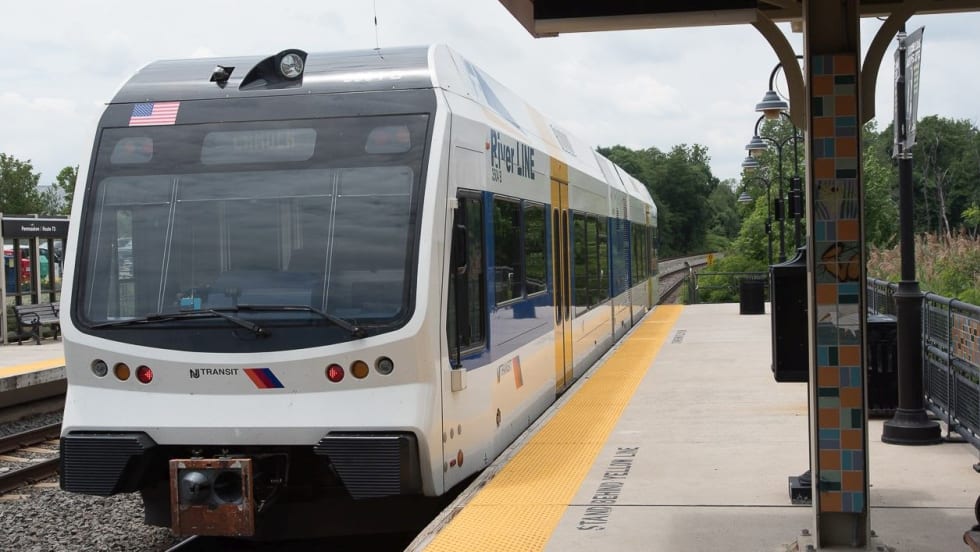
NJ TRANSIT Issues RFI for Unified Real-Time Customer Information Platform
The agency is seeking input from companies that provide real-time transit communications systems as part of an effort to enhance the customer experience and modernize how riders receive service alerts, travel information, and system status updates.
Read More →
Mobile Apps and Passenger Information Top METRO's Business Briefs
In our latest installment, we take a look at recent news from Masabi, Axentia, Moovit, and more partnerships making headlines across the transportation sector.
Read More →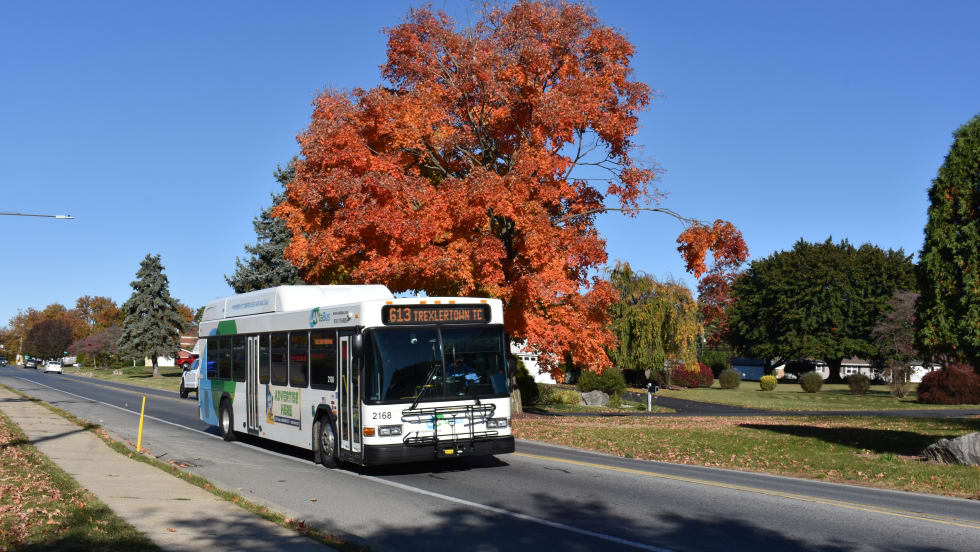
Biz Briefs: Masabi Partners with LANTA and More
In this edition, we spotlight the latest developments shaping the future of mobility.
Read More →
Joshua Schank on Transportation Innovation, Risk, and the Future of Mobility
In this edition of METROspectives, Joshua Schank discusses lessons from launching LA Metro’s Office of Extraordinary Innovation, the challenges of advancing new mobility technologies, and much more.
Read More →
Reinventing Fleet Maintenance with Real-time Visibility and AI
Transit leaders need to know what needs fixing, where to look, who is responsible, when work is completed, and what it costs without having to chase information across disconnected systems.
Read More →
Alstom Acquires Delaware Site to Support Amtrak NextGen Acela Fleet
The company is investing more than $55 million to acquire and improve the property and will employ approximately 100 people at this site once it is operational.
Read More →
ABA's Ferguson Testifies in Support of BUS Act, National Standards for Bus Operators
The BUSES Act would create a nationwide framework preventing state and local governments from enforcing bus idling restrictions of less than 15 minutes, a threshold consistent with existing Environmental Protection Agency guidance.
Read More →
When Routine Fails: How Public Transit Must Adapt for the World Cup
The 2026 FIFA World Cup will test transit agencies’ ability to manage unpredictable travel patterns, making real-time data and operational flexibility critical to moving millions of visitors efficiently.
Read More →