




Read More: Industry Professionals Address Alt-Fuel Options, Challenges
Inside Allegan County's Switch to Propane Transit Buses
Allegan County Transportation is making a change in its bus fleet, as it now operates new buses powered by propane autogas from ROUSH CleanTech. The county plans to save on fuel and maintenance costs, but how will it deal with the challenges that come with propane autogas?
September 20, 2023
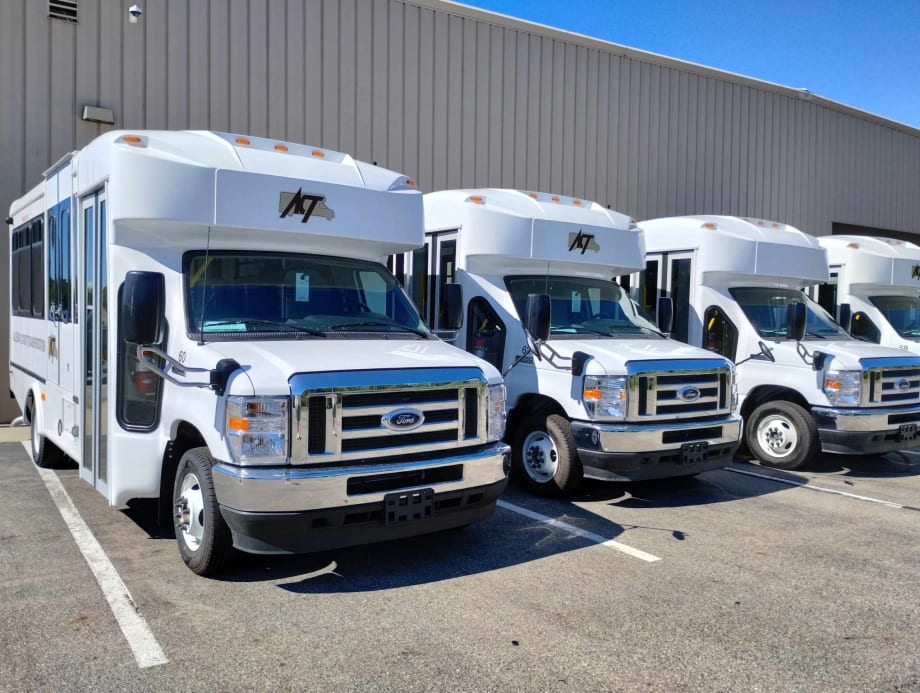
ACT’s propane buses, which are 90% cleaner than EPA’s current emissions standard, better prepare the county for additional national emissions requirements set to be implemented in 2024 and 2027.
Photo: ROUSH CleanTech
4 min to read
ROUSH CleanTech recently announced that Mich.'s Allegan County Transportation now operates seven new buses powered by propane autogas to help the county meet air quality attainment goals and save taxpayer dollars.
The county estimates it will save about 50% on fuel costs and up to 70% on maintenance costs.
ACT’s propane buses, which are 90% cleaner than EPA’s current emissions standard, better prepare the county for additional national emissions requirements set to be implemented in 2024 and 2027.
ACT’s Goals After the Switch
Transportation director for the county of Allegan County Whitney Ehresman discussed ACT’s goals for switching to propane transit buses.
“The goal when implementing sustainability goals is to consider the ‘triple-bottom line’ — that is, what is going to be economically viable, environmentally friendly, and socially desirable?” Ehresman said. “These factors were all considered when determining whether to make the transition to propane.”
Propane autogas is a non-toxic, non-carcinogenic, and non-corrosive fuel that poses no harm to groundwater or soil.
The Environmental Protection Agency classifies the fuel as a non-contaminant.
Vehicles operated by propane autogas emit fewer greenhouse gasses, less nitrogen oxides, less carbon monoxide, and fewer particulate emissions compared with other fuels.
“Allegan County leadership remains focused on improving the quality of life for residents — the support for a strong public transportation infrastructure in addition to alternative fuel sources ties into the organization’s mission,” Ehresman said. “In addition to the benefit of reducing our emissions, the county is going to be saving tens of thousands of taxpayer dollars every year on fuel and maintenance costs.”
According to reports by ROUSH CleanTech, school districts, transit agencies, and commercial fleets have reported savings of up to $3,700 per vehicle per year due to propane’s lower fuel and maintenance costs.
“Our drivers are also excited about the new additions to the fleet — these vehicles are quieter and warm up faster during the winter months, which is really an essential feature in regions that experience more frigid temperatures seasonally,” Ehresman said. “Propane autogas vehicles are known to excel in cold temperatures, which is comforting since we experience heavy snowfall during the winter months.”
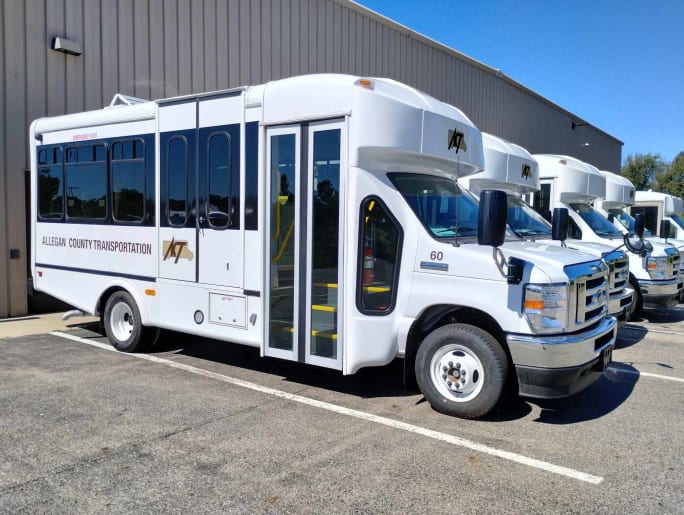
According to reports by ROUSH CleanTech, school districts, transit agencies, and commercial fleets have reported savings of up to $3,700 per vehicle per year due to propane’s lower fuel and maintenance costs.
Photo: ROUSH CleanTech
Challenges of Propane Buses in Fleet
Ehresman also addressed the challenges that may come with incorporating propane buses into ACT’s fleet, but remains optimistic of the switch despite the “public misconceptions when it comes to propane.”
“There’s a high level of safety measures in place with the propane fuel systems — including a tank that is 20 times more puncture-resistant than its gasoline/diesel counterparts,” Ehresman said. “Through our planning processes at the county, we are committed to being proactive, rather than reactive, when it comes to safety. Our technicians have done hands-on training on-site at ROUSH CleanTech, in Livonia, Mich., where these systems are produced.”
Allegan County has been surprised by the availability of resources, as well. Ehresman found that there are a lot of local and regional options for propane, which is encouraging from a planning standpoint.
“Our long-term plans involve having a fueling site at our transportation facility, which is an option a lot of agencies have been investigating due to a federal rebate that is available to encourage on-site refueling,” Ehresman said.
Route planning is another consideration for ACT. The typical range of a ROUSH CleanTech-powered propane bus is 300 miles, so Ehresman said ACT will want to coordinate refueling every day during our busy season to prevent any service disruptions.
“In terms of operational challenges, we are anticipating a training curve,” Ehresman said. “With propane autogas vehicles, extended idle time is going to impact fuel economy. Fortunately, we are working on implementing new scheduling and dispatching software that will help us improve route efficiencies and, in turn, reduce idling time.”
ACT's History with Propane
Allegan County, located in Southwest Michigan, has been a nonattainment area for air quality for a number of years, which is initially what prompted leadership to purchase the propane buses using Congestion Mitigation and Air Quality (CMAQ) funds in 2020, according to Ehresman.
In 2022, the Board of Commissioners and county administration voted to increase funding to Allegan County’s local public transportation program, with expanded hours and curb-to-curb service available countywide.
“Since we cover a large rural area (825 square miles of land as well as out-of-county medical trips) it was important to be mindful as to how increased service and vehicle mileage would impact emissions,” Ehresman said. “By beginning to transition our transit fleet to no- or zero-emission vehicles, we are making positive strides to reduce our carbon footprint. The new propane-powered buses comprise one-fourth of our transit fleet.”
There are more than 1,500 propane-powered transit vehicles operating in transit agencies around the U.S., including Boyne City, Detroit, Flint, Grand Rapids, Lapeer, and Saginaw in Michigan alone.
“Tens of millions of gallons of propane autogas are pumped every year for transportation applications as diverse as transit vehicles to school buses to delivery trucks,” said Todd Mouw, executive vice president for ROUSH CleanTech. “That speaks to the ‘staying power’ of this clean alternative to gasoline and diesel. With 90 percent of propane used today generated by the United States, propane is a readily available, clean, and domestic fuel source. We congratulate Allegan County for its commitment.”
Subscribe to Our Newsletter
More Zero Emissions
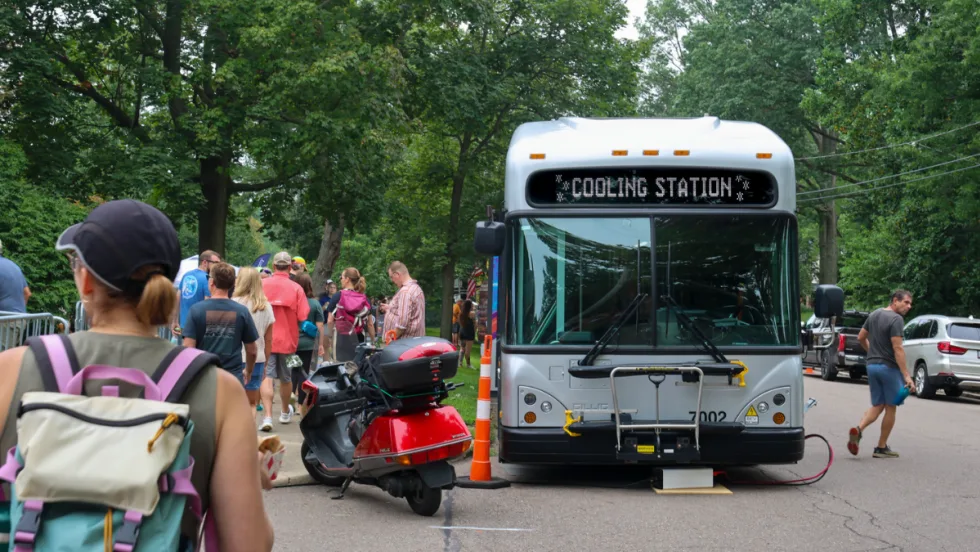
Ohio’s METRO RTA Turns Electric Buses into Mobile Power Sources at PorchROKR
See how three Gillig battery-electric buses powered festival stages while the agency’s new Park & Ride service carried approximately 1,000 attendees, demonstrating another potential use for transit agencies’ electric fleets.
Read More →
CALSTART and Forth Combine to Form Catalyst Mobility
The new name represents a renewed vision for the nonprofit focused on advancing clean, equitable, and affordable transportation solutions that move people and goods.
Read More →
Building a Flexible Path to Transit Electrification
John Hroncich discusses BAE Systems’ modular and scalable approach, lessons learned from decades of real-world operations, and how agencies can identify electrification strategies that fit their fleets.
Read More →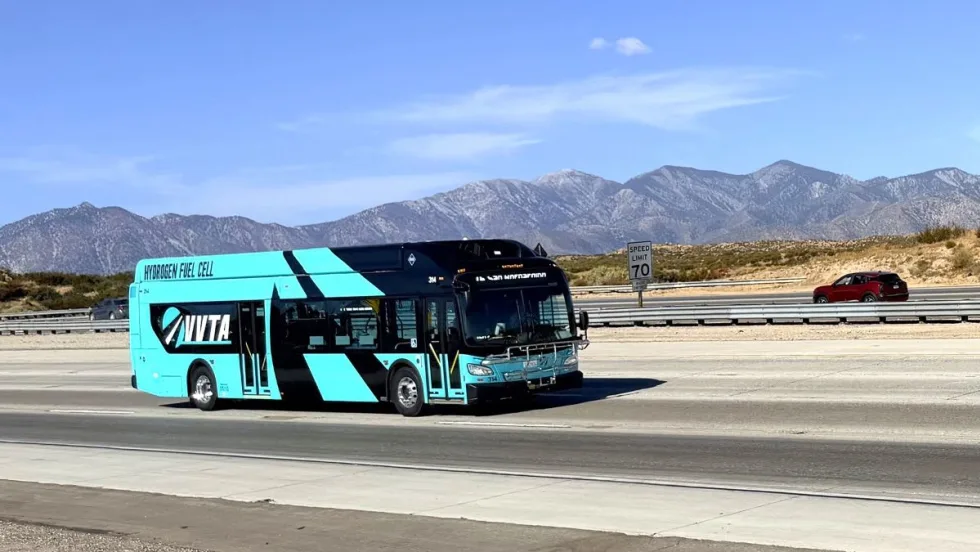
California's VVTA Begins Phased Rollout of Hydrogen Fuel Cell Buses
The agency is introducing 13 zero-emission buses into revenue service while evaluating performance across its urban, rural, and long-distance routes.
Read More →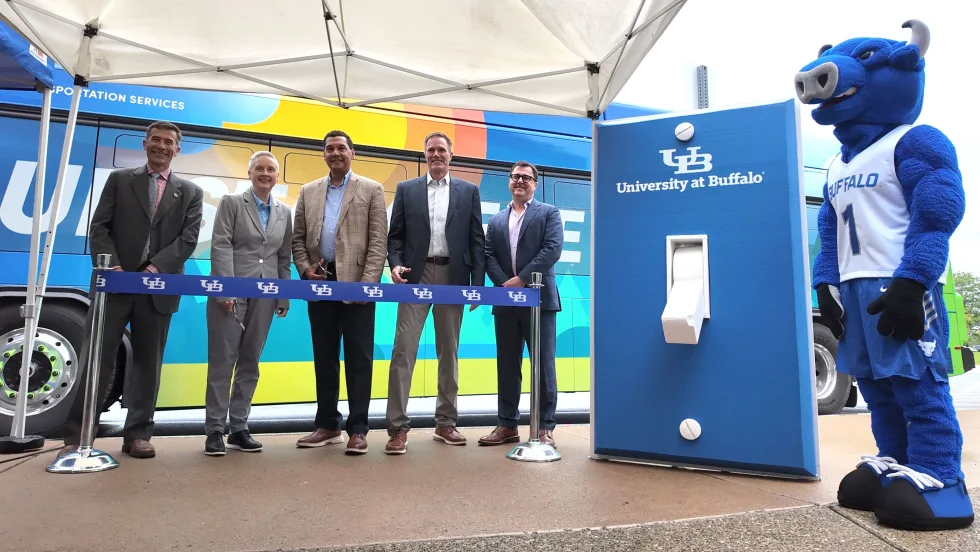
Inside Look: University at Buffalo Puts First 8 Electric Buses Into Stampede Service
UB, transportation solutions provider WeDriveU, and fleet electrification specialist Zenobē marked the deployment in the presence of students, university administrators, and local officials.
Read More →
Biz Briefs: OCTA Taps Clean Energy for Hydrogen Station, Stadler to Supply Via Rail Vehicles, and More
From manufacturers and suppliers to transit agencies and motorcoach operators, these updates offer a snapshot of the projects, partnerships and business moves driving the industry forward.
Read More →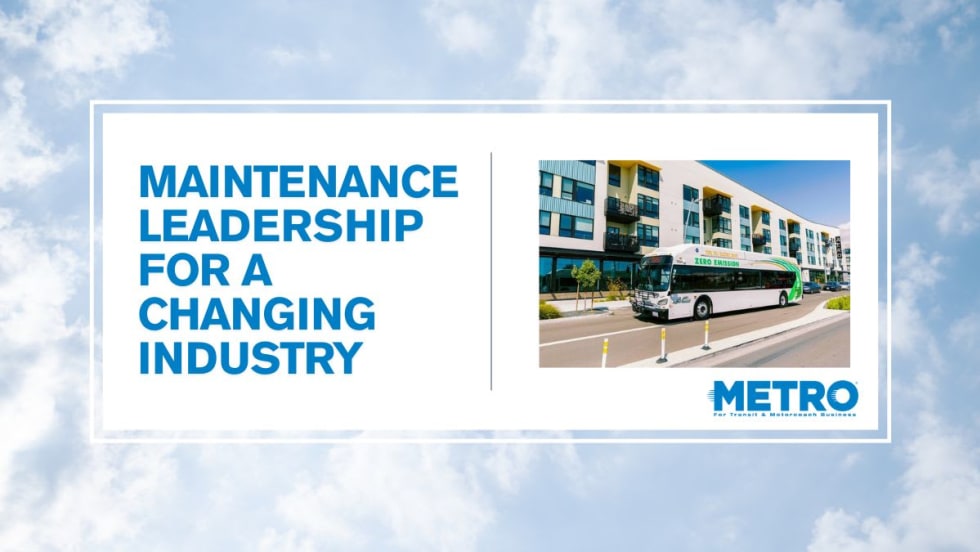
AC Transit’s Cecil Blandon on Building the Next Generation of Transit Maintenance Leaders
The agency’s maintenance chief discusses leadership, workforce development, zero-emission technology, and preparing technicians for the future of public transportation.
Read More →
CTDOT Taps STV for Electric Bus Facility Design
The firm will work with CTDOT and RVT to define the facility layout, operational requirements, and long-term flexibility for RVT’s growing electric fleet.
Read More →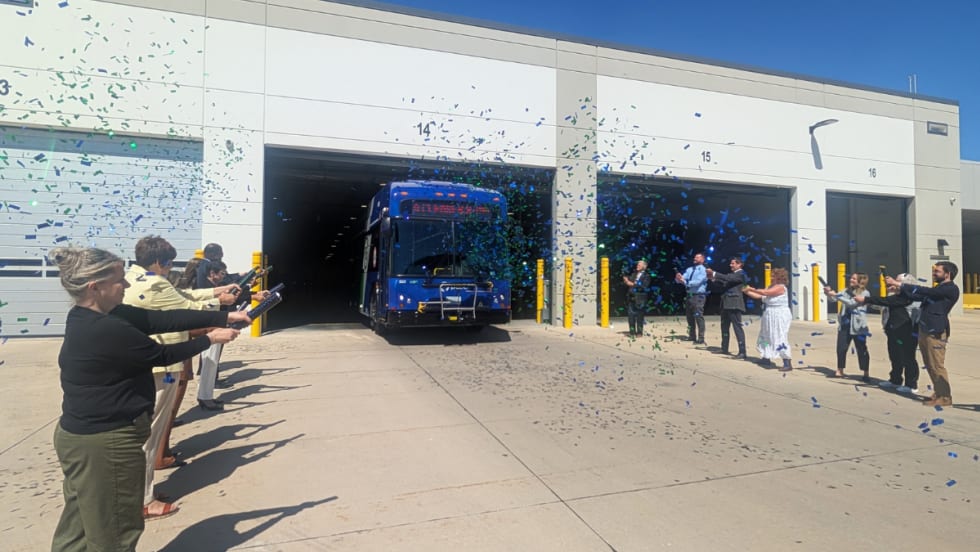
Chicago’s Pace Deploys 24 Hybrid-Electric Buses in Will County
The new buses reduce emissions and fuel consumption while advancing the agency's long-term goal of transitioning to a fully zero-emission fleet.
Read More →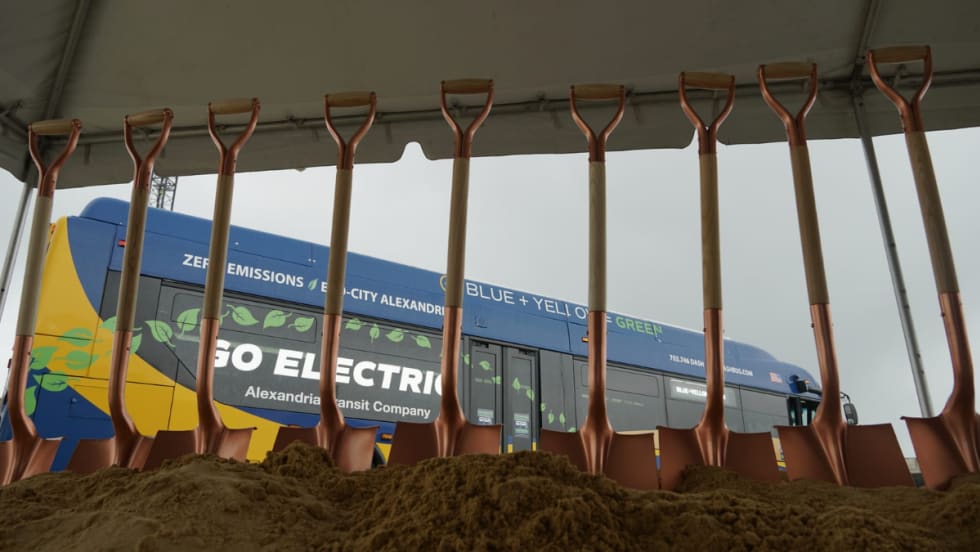
DASH Breaks Ground on First On-Route Electric Bus Chargers in D.C. Region
The fast-charging infrastructure will help extend electric bus range, improve fleet utilization, and support DASH's goal of transitioning to a fully zero-emission fleet.
Read More →