




Looking Ahead: Cummins Advances Zero-Emissions Future with New Brand
An Inside Look: Cummins To Launch New X10 Engine in 2026
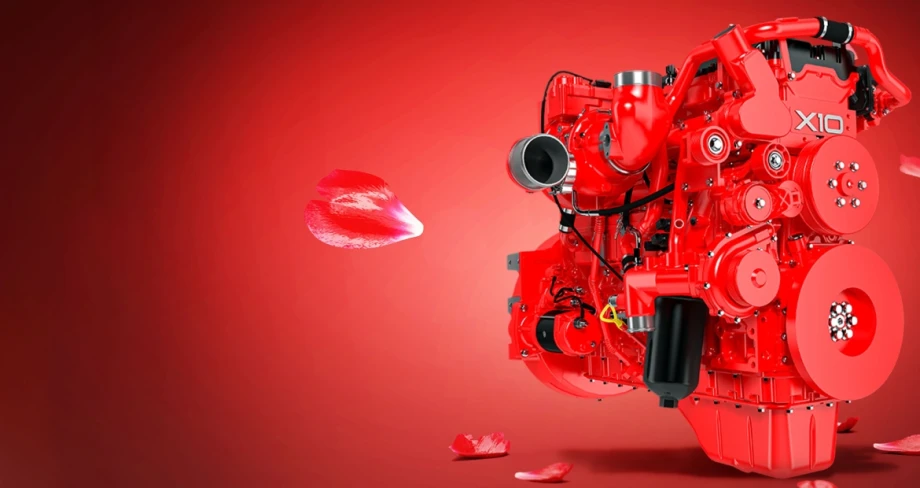
The engine, named as part of the X engine family, is uniquely positioned to replace both the L9 and the X12 with the versatility to serve both medium and heavy-duty applications.
March 23, 2023
Though the engine will first be available in Europe and North America, it will be introduced in other regions over time and will be made for off-highway markets as well.
Photo: Cummins
4 min to read
In February, Cummins Inc. announced it is launching the next engine in the fuel-agnostic series, the X10, in North America in 2026.
The engine, named as part of the X engine family, is uniquely positioned to replace both the L9 and the X12 with the versatility to serve both medium and heavy-duty applications. It will also be compliant with U.S. EPA’s 2027 regulations a full year early.
“Optimization of the X10 architecture provides a step change in fuel economy benefits and extended maintenance intervals,” said Francisco Lagunas, GM, North America Bus, at Cummins Inc., about the benefits of the new engine. “Exact fuel economy and maintenance intervals are still under evaluation and will be shared closer to production. Lowering the total cost of operation and reducing greenhouse gas and NOx (nitrogen oxides) emissions are key to the X10.”
The diesel version will be first available, with other versions for gaseous fuels introduced later. Cummins officials said diesel will remain a critical technology for the commercial vehicle market for years to come, and therefore, the company will continue to support it. The 10-liter displacement product slots into Cummins’ product portfolio complemented by the B6.7 and X15 and will serve vocational, transit, pickup and delivery, and regional haul customers.
Though the engine will first be available in Europe and North America, it will be introduced in other regions over time and will be made for off-highway markets as well.
“Cummins is committed to advancing internal combustion technology while developing new technologies as well,” said Lagunas. “The X10 diesel powertrain is focused on increasing fuel efficiency while decreasing greenhouse gas and NOx emissions to comply with the stringent EPA 2027 regulations. The X10 will be a common platform that works across multiple fuel types for internal combustion engines. This ability to work with other fuel types will allow for additional proliferation of the X10 platform with lower carbon fuel types in the future to optimize the total cost of operation.”
The X10 architecture uses a belt-driven, high-output 48-volt alternator, and aftertreatment heater solution optimized for increasingly stringent emission standards and will be scalable to other advanced combustion technologies.
The engine can be paired with a variety of transmissions depending on the application including the Eaton Cummins Endurant to enable additional drivability benefits and efficiency gains. The engine is equipped with Acumen ®, which provides digital connectivity and direct, immediate access to a range of applications and capabilities.
“We are targeting full production to start in January 2026. This timing allows us to save the most emissions and provide product simplicity to our customers that would not be seen in a 2027 launch and allows us to stick with this architecture into the 2030s,” Lagunas said about the 2026 launch date. “This product delivers NOx improvements while providing a step change in fuel economy improvement and tremendous value to the customer.”
The Cummins Fuel-Agnostic Platform
The X10 engine is built on Cummins’ fuel-agnostic platform. These new fuel-agnostic engine platforms feature a series of engine versions that are derived from a common base engine, which means they have some parts commonality. Below the head gasket of each engine will largely have similar components, and above the head gasket will have different components for different fuel types. Each engine version will operate using a different, single fuel.
“The new fuel-agnostic engine platforms will feature a series of engines that are derived from a common base engine designed with multiple fuel types in the plan from the beginning, rather than adapting a diesel engine for alternative fuel types at a future date,” said Lagunas.
Cummins is offering a full portfolio of products in 2026 to cover the medium-duty and heavy-duty customer needs, including the new 15-liter natural gas engine, the X15N. Additionally, the B6.7 will be offered in diesel, natural gas, gasoline, and propane.
“Each engine version will operate using a different, single fuel and will be released individually,” added Lagunas. “While there is a lot of interest in the X10 natural gas variant, a timeline is not yet available. That said, this variant is expected to launch reasonably quickly after the 2026 X10 diesel launch. Our current L9N natural gas engine complies with both the EPA and CARB regulations and offers a great solution for customers looking to decarbonize now.”
Subscribe to Our Newsletter
More Management

STraffic Expands North American Presence with Fare Collection Technology
Deck: John Moon, Associate Director, Product Strategy at STraffic, discusses the company's growth in North America, its efforts to reduce fare evasion, and more.
Read More →
Study: Denver RTD Generates $2.1 Billion in Annual Economic Activity
An economic impact study finds the agency supports approximately 17,500 jobs, delivers $1.6 billion in annual community and mobility benefits, and generates $2.42 in economic value for every dollar invested.
Read More →
Mark Aesch Nominated to Lead Federal Transit Administration
The former Rochester transit chief and TransPro founder, who has also contributed to METRO Magazine, brings decades of industry experience and a focus on performance, accountability, and financial sustainability to the nomination.
Read More →
Best and Worst U.S. Cities for Public Transportation in 2026
A new analysis of 50 major U.S. urban areas ranks public transit systems based on accessibility, affordability, usefulness, and safety, highlighting where transit performs best and where challenges remain.
Read More →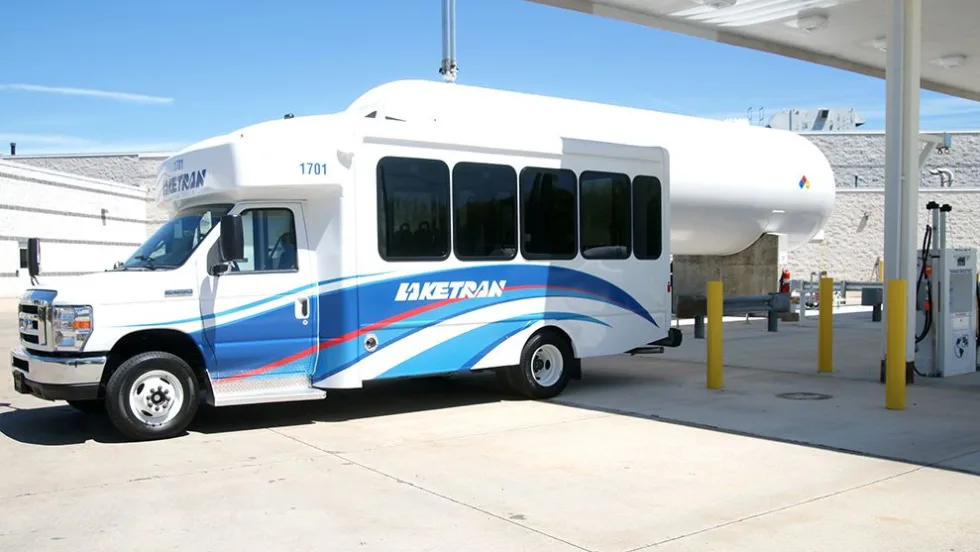
Laketran Cuts Fuel Costs, Boosts Efficiency with Propane-Powered Fleet
The Ohio transit agency is using propane-powered vehicles and on-site fueling infrastructure to cut fuel and maintenance costs while meeting growing demand for paratransit services.
Read More →
Canada’s Public Transit Supports $65.6 Billion in Annual GDP
New research from the Canadian Chamber of Commerce examines transit's economic contributions, including job creation and the financial implications of transportation investment.
Read More →
Pierce Transit Moves to Expand Fleet Following Proposition 1 Approval
The agency authorized the purchase or refurbishment of up to 60 buses to support a 47% service expansion, as voters nationwide approved billions in new transit funding.
Read More →
Right-Sizing Rural Transit: Lessons from North Grenville’s On-Demand Model
A small municipality shows how flexible service, rider needs, and public accountability can expand mobility with limited resources.
Read More →
Transit Ballot Victories Signal Strong Voter Support: What Comes Next?
Voters approved billions in public transportation investments in 2026, giving agencies opportunities to preserve service, expand operations, and strengthen regional connections amid a changing political landscape.
Read More →
Transit Expands Agency Partnerships, Reaching 200 Official App Partners
COO Jake Sion discusses Transit’s growth, the success of its Transit Royale program, and how technology is helping agencies improve the rider experience.
Read More →