



Budget, taxes will determine next transportation bill
Some D.C. observers believe that the outcome of larger issues, like health care reform and energy policies, will affect transportation funding.
A showdown is coming; everyone can see it. The only question is when it will happen. How it plays out will determine the size and, in large part, the shape of the next federal surface transportation policy bill.
Rep. James Oberstar (D-Minn.), the chair of the House Transportation and Infrastructure Committee, has already reported a policy bill out of his panel, ready for a vote by the full House. Major changes are in his bill, including the elimination of the alternatives analysis process, much greater power and funding to metropolitan planning, and a weakening - and to some degree de-funding - of urban rail's chief competition, bus rapid transit. His ambitious bill would spend $450 billion over six years, a more than 50 percent increase over the current bill.
Who will pay?
The trouble with his committee's bill is there is no way to pay for much of it, mainly because that issue is within the provinces of the House Ways and Means Committee and, later, the Senate Finance Committee. It is also because the primary source of federal assistance revenue, the gasoline and diesel tax, now pays for a declining share of the program, requiring ever-larger bailouts with borrowed money.
The lack of resolution of the funding issue is the major reason why a consensus has formed around an 18-month extension of the existing law, so that renewing the program is put off until the more contentious and even larger issues of paying for health care reform and energy/climate change policy are taken up.
Some Washington, D.C. observers believe that how these larger issues come out might affect transportation funding, because the political capital for tax increases will either be exhausted, if health care reform and climate change pass, or left unused if these bigger deals fail.
Another connection: Some in Congress also continue to advocate for reserving part of the climate change revenues for public transportation and sustainable communities. Oberstar and his allies think it could and should get done without resolving the trust fund issue in order to stimulate the economy, because the first stimulus bill passed earlier this year may have been too small.
Welcome to 1981
All this feels very much like three decades ago. In 1981, Ronald Reagan's program of tax cuts and massive military spending was not moving the economy fast enough. He was forced to give back some of it to close a mounting deficit in the very next budget year. His party lost seats in the 1982 mid-term election, and to answer concerns he was not doing enough about unemployment, he signed a large transportation bill and nickel gas tax increase (with a penny of it for transit, which created the Mass Transit Account of the Highway Trust Fund).
The moral of the story: Keep watching the deficit and unemployment numbers, and don't be surprised if authorization doesn't get done until a lame duck session after the mid-term Congressional elections in 2010.
More Rail
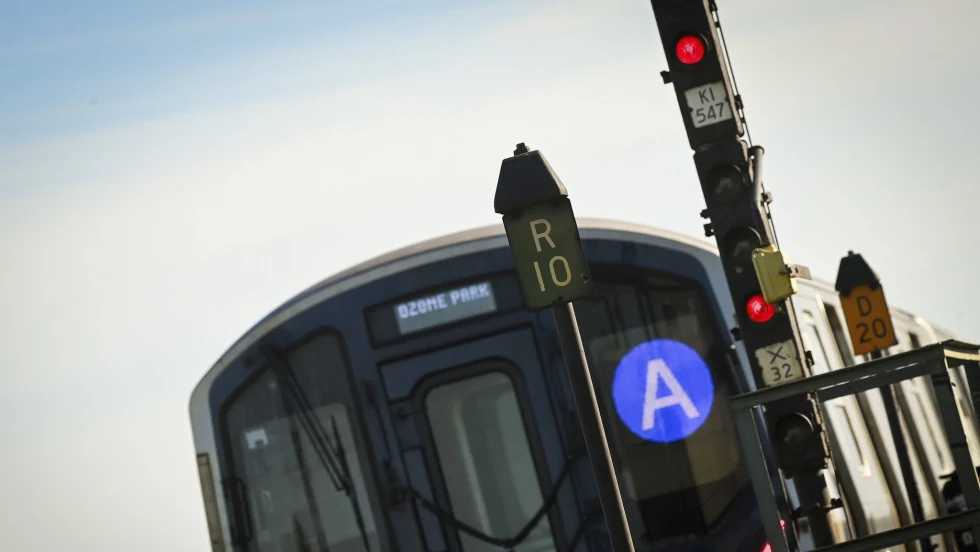
New York MTA Launches Historic $1.9B Signal, Track Modernization Project
Funded in part by congestion pricing revenue, the project will replace nearly century-old signals along the A and C lines in Brooklyn and Queens.
Read More →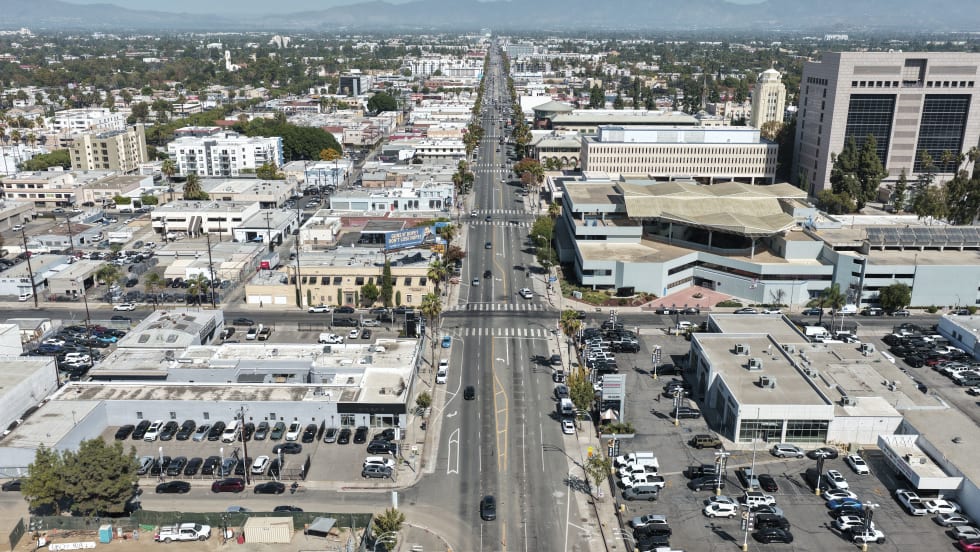
LA Metro Breaks Ground on East San Fernando Valley Light Rail Project
The 6.7-mile line will add 11 stations along Van Nuys Boulevard, expand access to jobs and regional transit connections, and support Metro’s broader efforts to improve mobility as rail ridership grows.
Read More →
CSA Group Releases Climate Resilience Standard for Transit, Passenger Rail
Developed with support from the Standards Council of Canada, CSA D700 guides assessing climate-related risks and planning adaptation measures for transit and passenger rail systems.
Read More →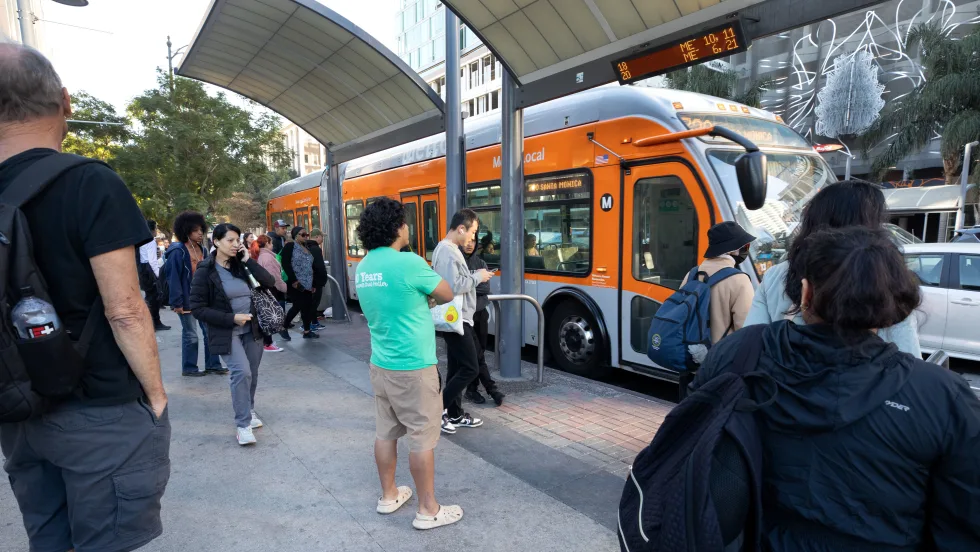
LA Metro September Ridership Climbs 3.9%, Led by Rail Growth
The agency recorded more than 27.2 million boardings, with rail ridership increasing 12.4% year over year and the D Line posting the largest gains.
Read More →
First Full MetroLink Rail Expansion Completed in 20 Years with $192M Airport Project
The project links two St. Louis-area airports by light rail while adding roadway and bike trail connections to improve regional access and mobility.
Read More →
Utilimarc Launches SmartReplace to Optimize Fleet Replacement Decisions
AI-powered SmartReplace helps fleets prioritize vehicle replacements, model budget scenarios, and build more defensible long-term strategies.
Read More →
Scenes from APTA TRANSform & EXPO 2026
Transit leaders, manufacturers, and industry professionals gathered in Chicago to explore new technologies, share ideas, and discuss the future of public transportation.
Read More →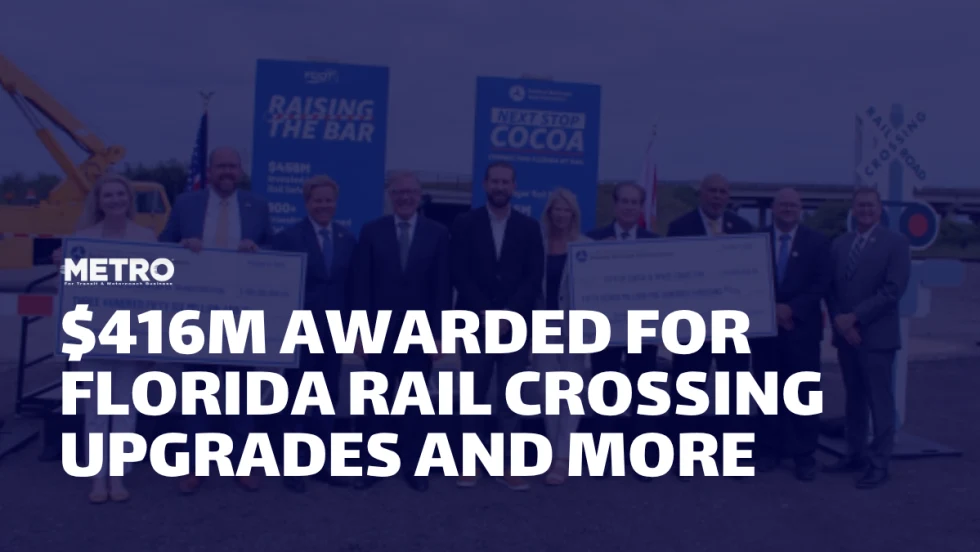
USDOT Awards $416 Million for Florida Rail Crossing Safety Upgrades, New Brightline Station
The projects aim to reduce risks for motorists and pedestrians at rail crossings while expanding passenger rail access along Florida’s Space Coast.
Read More →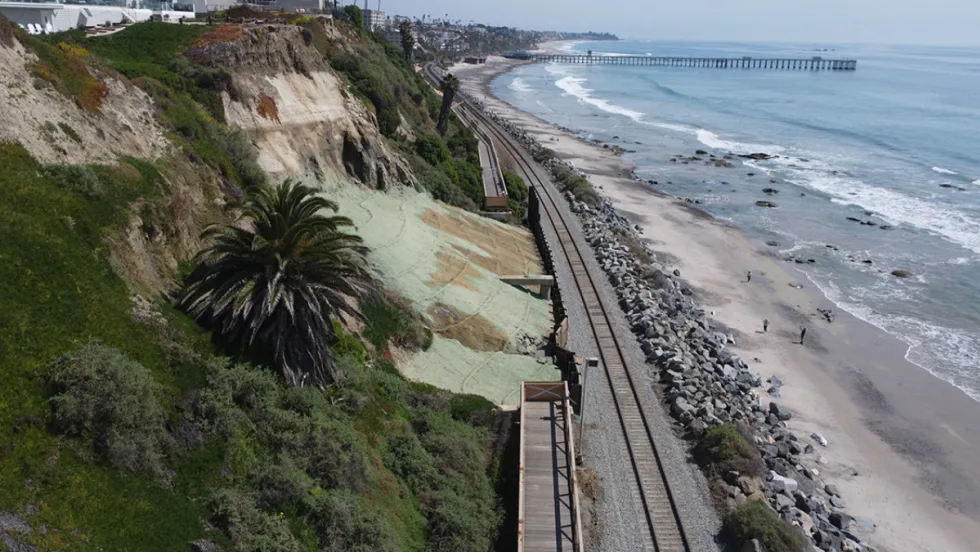
OCTA Declares Emergency to Protect Rail Corridor From Coastal Erosion
The California agency is accelerating shoreline protection and plans to place approximately 690,000 cubic yards of sand along the San Clemente coast to protect a key passenger and freight rail link.
Read More →
More Than a Summer Job: Building the Next Generation of Transit Talent
The Delaware River Port Authority and PATCO have transformed their internship program into a hands-on professional development experience that introduces students to the breadth of transportation careers — and creates a pipeline for future employees.
Read More →