



DOT narrows maglev projects
Narrowed from seven projects nationwide, maglev projects in Maryland and Pennsylvania were chosen by the U.S. Department of Transportation for further evaluation to determine a final project for development.

Narrowed from seven projects nationwide, maglev projects in Maryland and Pennsylvania were chosen by the U.S. Department of Transportation for further evaluation to determine a final project for development. The selection of the two states is part of a competition for federal funding to build the first revenue-service maglev high-speed train system in the United States. The final project will be selected in the winter of 2003 and will receive $950 million in federal funds. The Maryland maglev is a 40-mile project linking Camden Yard in Baltimore and Baltimore-Washington International Airport to Union Station in Washington, D.C. The project has been under study since 1994 and plans on entering revenue service in 2010 if funded. The Pennsylvania project is a 47-mile system linking the Pittsburgh Airport to Pittsburgh and its eastern suburbs. That project has been under study since 1990 and is backed by a coalition of state and local agencies, labor unions and members of the Pittsburgh community. If selected, it will open for revenue service in 2008. “The next step is to demonstrate enough of the criteria is completed and is going to be successful,” said Mike Purviance, a spokesman for the U.S. DOT. Some of the criteria include developing the maglev with public/private partnerships, adequately demonstrating technology and serving the transportation purposes it proposes. The competition was started in May 1999, with the selection of seven projects to receive planning funds and participate in a competition. After an evaluation of those projects, two were selected to refine their estimates of ridership revenue and cost, strengthen the financial commitments of their sponsors and begin work on a site specific environmental assessment. The two projects will be provided $14 million to do that work and the DOT will select a final project from the above requirements. The remaining five projects that didn’t make the cut were in California, Florida, Georgia, Louisiana and Nevada. To assist those states, each of the projects is slated to receive about $1 million in federal funds, as specified by Congress in the fiscal year 2001 appropriations.
More Rail
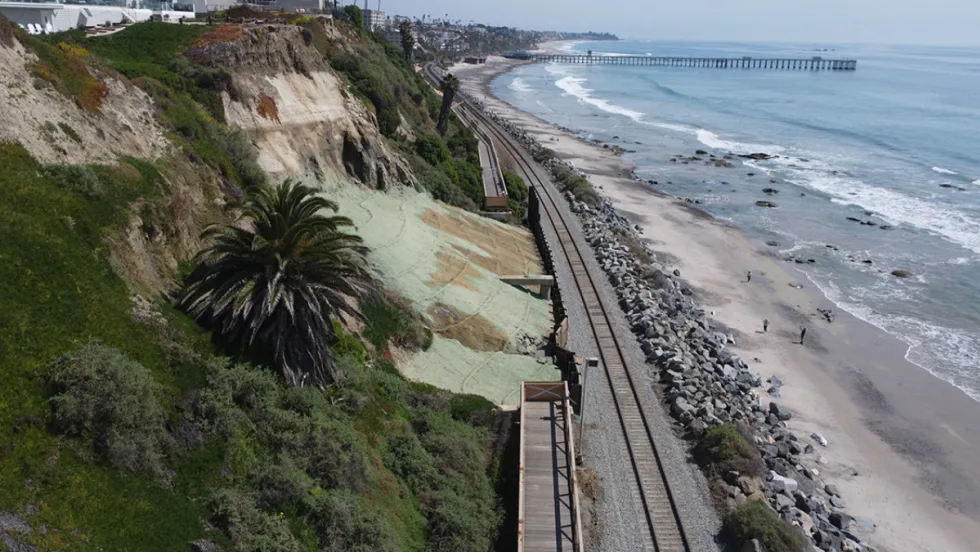
OCTA Declares Emergency to Protect Rail Corridor From Coastal Erosion
The California agency is accelerating shoreline protection and plans to place approximately 690,000 cubic yards of sand along the San Clemente coast to protect a key passenger and freight rail link.
Read More →
More Than a Summer Job: Building the Next Generation of Transit Talent
The Delaware River Port Authority and PATCO have transformed their internship program into a hands-on professional development experience that introduces students to the breadth of transportation careers — and creates a pipeline for future employees.
Read More →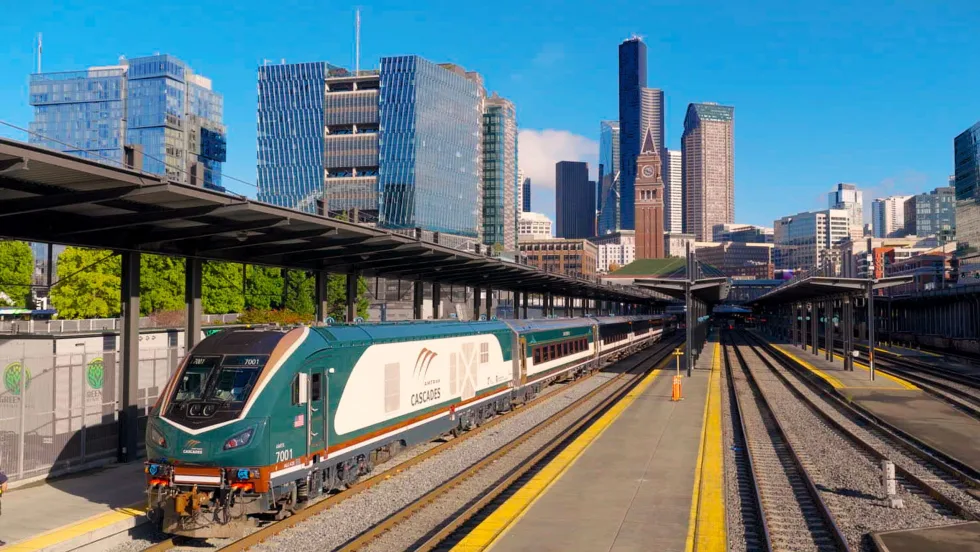
Airo Trains Make Their Amtrak Cascades Debut in the Pacific Northwest
Effective immediately, two cutting-edge Airo trainsets will join the Amtrak Cascades route, operating four daily trips between Vancouver, B.C., Seattle, Portland, and Eugene, Oregon, marking the first introduction of Airo trains into passenger service anywhere in the country.
Read More →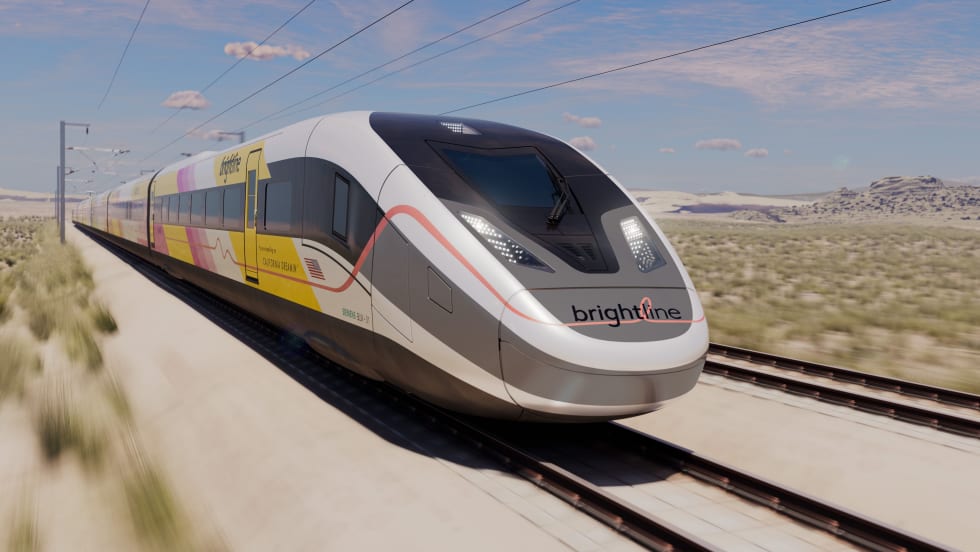
Florida's Brightline Announces Financial Restructuring
Brightline Florida says train operations will continue as normal as certain parent entities enter Chapter 11 and financial stakeholders provide $490 million in new long-term capital.
Read More →
ENC Lands MATA Contract and More in Biz Briefs
In this edition of Biz Briefs, we spotlight the latest developments shaping the future of mobility.
Read More →
Strada360’s Steve Lassey on Turning Transit Data Into Better Decisions
From breaking down data silos to preparing for AI, Strada360 CEO Steve Lassey discusses how transit agencies can use technology to improve operations, customer information, and long-term decision-making.
Read More →
SEPTA Details Accelerate Vision for Transit System
The plan outlines investments in trolley modernization, new Metro and Regional Rail vehicles, accessible stations, and more frequent bus and rail service.
Read More →
FTA Ends Direct Oversight of MBTA Safety Actions
The federal agency closed its remaining special directive to the Massachusetts Department of Public Utilities following a safety review that began in 2022.
Read More →
Amtrak, CN Reach Agreements to Strengthen Passenger Rail Service, Safety
The agreement resolves a more than decade-long proceeding before the Surface Transportation Board concerning the terms and conditions for Amtrak services, such as the City of New Orleans, Illini/Saluki, and Wolverine.
Read More →
New York MTA Advances Final Contract for Second Avenue Subway Expansion
Contract Four is the largest in the Second Avenue Subway Phase 2 project and includes construction of station infrastructure, tracks, and signals for the subway expansion, MTA officials said. Work on Contract Four will begin in 2027.
Read More →