



Feds finally see housing connection
A new task force will develop federal housing affordability measures that include housing, transportation and other costs that affect location choices.
For years, experts in the U.S. transit industry have touted the connection between public transport and economic development. A number of studies have documented it, and some developers have made a lot of money in properties around rail (and in a few cases, bus) stations. Little wonder, as several studies have shown that the average working U.S. household spends nearly 60 percent of its monthly expenses on housing and transportation costs, and the highest rates of foreclosures and upside-down mortgages are in the edges of metropolitan areas where higher gas prices have hiked commute costs the most. Now policymakers seem to have gotten the connection.
U.S. Department of Housing and Urban Development (HUD) Secretary Shaun Donovan and U.S. Department of Transportation (DOT) Secretary Ray LaHood announced a new interagency task force to help stimulate transit-oriented development (TOD).
Importantly, the two department heads said that the task force will set a goal to have every major metropolitan area in the country conduct integrated housing, transportation, and land use planning and investment in the next four years. To help meet this laudable goal, HUD will make planning grants through its proposed Sustainable Communities Initiative in consultation with DOT to metropolitan areas, and create mechanisms to ensure those plans are carried through to localities. For its part, DOT will encourage MPOs to conduct the same integrated planning as a part of their next long-range transportation plan update and will provide technical assistance on “scenario planning,” a tool for assessing future growth alternatives that better coordinates land use and transportation.
Beyond the coordination and grant money, you may ask: Don’t these departments really already require similar planning processes? Yes, but what will be supposedly different is coordination. The announcement mentioned the synchronization of planning cycles, processes and geographic coverage with which these mandates operate.
Another new focus is on transparency. The task force will develop federal housing affordability measures that include housing, transportation costs and other costs that affect location choices. Currently, federal housing affordability definitions fail to recognize transportation costs on homeowners and renters, especially those who live farther away from their jobs. The task force will redefine affordability to reflect these interdependent costs and create online tools to help people calculate these combined costs when choosing a new home. By doing so, the task force intends to encourage “location efficiency” in housing and transportation choices, something that HUD has been funding in pilot mortgage programs for years.
This is long overdue, and rail transit stands to be a big winner. Households now pay on average at least 25 percent of their income on car ownership and operation versus less than 5 percent a century ago, according to Center for Transit Oriented Development data. Nor is it great for the environment. According to a new Brookings Institution study, car-dependent households emit three times the climate change gases, as a walkable urban household with good access to transit.
More Rail
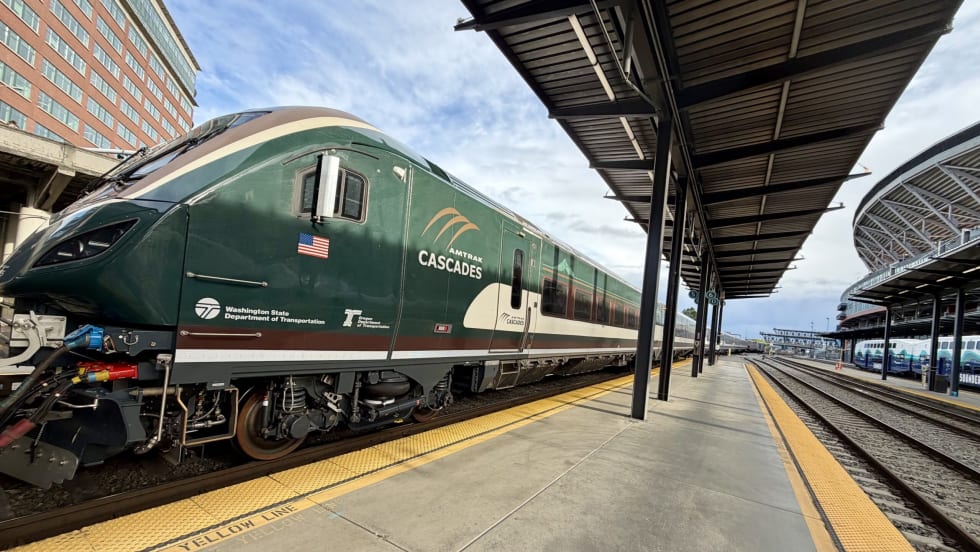
FRA Announces $5.3B in Rail Investments, Including $2B for Amtrak
Funding will support grade-crossing improvements, infrastructure upgrades, and new Amtrak equipment in 23 states.
Read More →
Finding the ‘Happy Medium’: Optimizing Maintenance Without Sacrificing Reliability
The key to maintenance optimization isn’t doing less work—it’s doing the right work at the right time on the right assets.
Read More →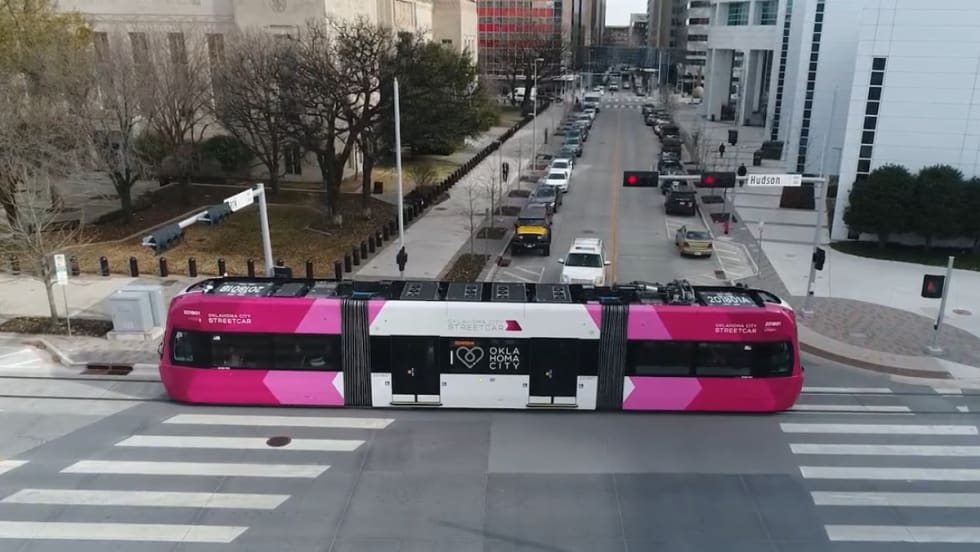
OKC Streetcar Makes Zero-Fare Service Permanent
Ridership increased an average of 71% compared with the same period a year earlier during the fare-free pilot.
Read More →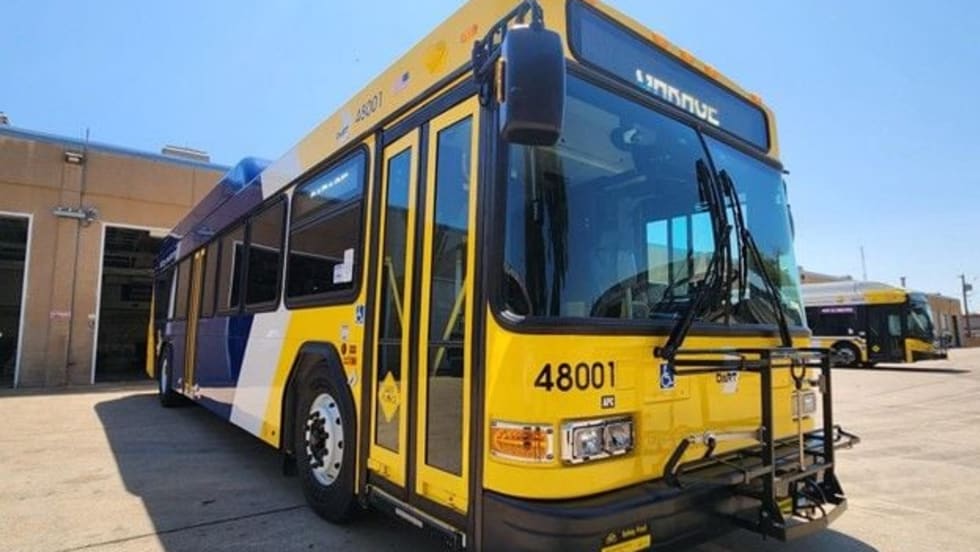
DART Customer Satisfaction Reaches Six-Year High
Overall satisfaction rose to 74.9%, while the agency’s Net Promoter Score reached a record 33.7.
Read More →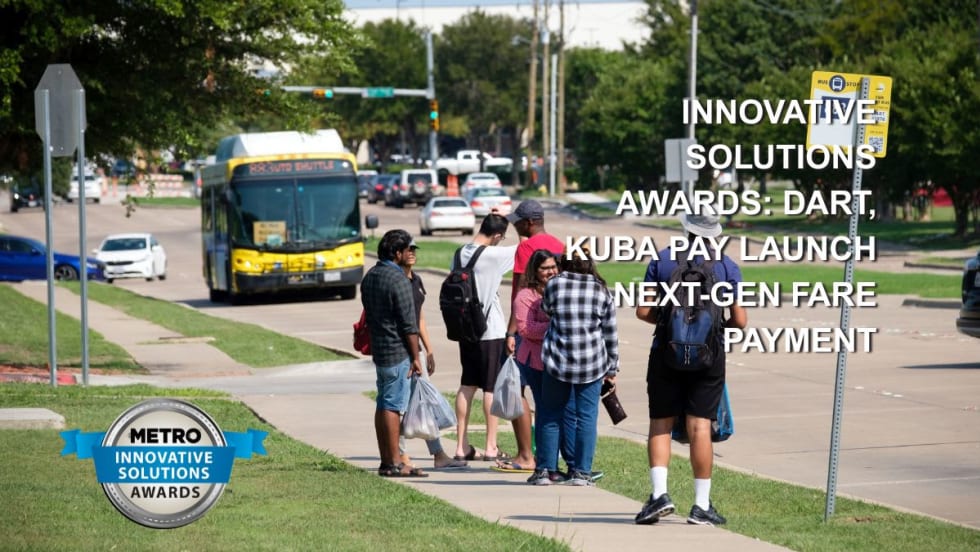
How DART's GoPass Is Redefining Regional Mobility
Serving 14 transit agencies, GoPass simplifies multimodal travel by allowing riders to plan, pay for, and manage an entire trip through one app.
Read More →
Amtrak Board Advances Plan to Restructure Organization, Seeks Public Input
The proposal, developed by Amtrak management and approved by the board for further consideration, is intended to modernize the organization's structure while improving accountability, operational efficiency, and customer service.
Read More →
Biz Briefs: STV teams with Amtrak, Motorcoach Operators Boost Fleet and Land Contracts, and More
From manufacturers and suppliers to transit agencies and motorcoach operators, these updates offer a snapshot of the projects, partnerships and business moves driving the industry forward.
Read More →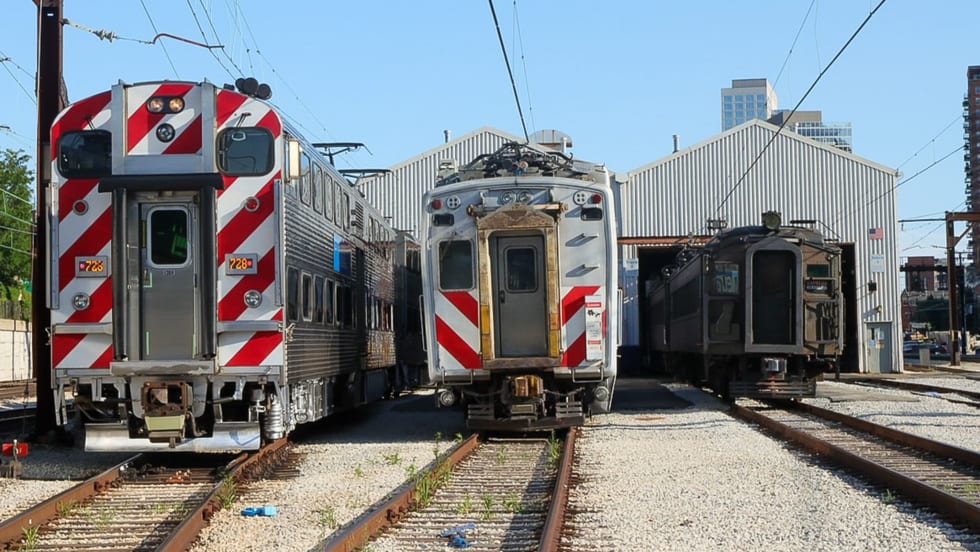
Metra Celebrates 100 Years of Electric Rail, Looks to the Future
The event was also a celebration of recent reforms to public transportation in the Chicago area, changes that could be as transformative in the future as the major civic achievement a century ago, said officials.
Read More →
LA Metro Marks Banner Year, Sets Ambitious Goals for New Fiscal Year
Incoming LA Metro Board Chair and Los Angeles Mayor Karen Bass joined outgoing Board Chair Fernando Dutra and LA Metro CEO Stephanie Wiggins to review accomplishments from fiscal year 2026, which included the opening of new rail extensions, advancement of major transit projects, expanded safety programs, and new rider amenities.
Read More →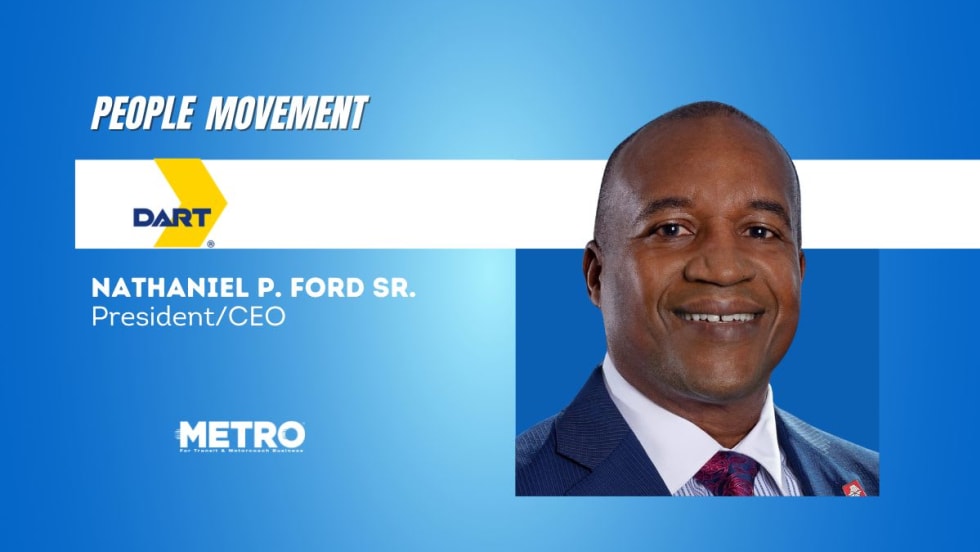
DART Taps Nathaniel P. Ford Sr. as Next President/CEO
Since 2012, Ford has served as the CEO of the Jacksonville Transportation Authority
Read More →