



Ireland's buses offer history at Routes Festival
Despite being in the frontline of hundreds of attacks, bus drivers have stopped short of withdrawing their services.

The enduring image of the Northern Ireland Troubles is the burning bus. But, despite being in the frontline of hundreds of attacks, bus drivers have stopped short of withdrawing their services. Now, their contribution to stability in the country is being recognized and celebrated in a city-wide festival. The Routes Festival, held in May, depicts the lives of bus drivers. "It tells the story of the bus workers through photographs, plays, films and writing in order to focus public attention on the enormous contribution they have made to community relations and relative stability while sharing some of their humor and resilience," said Ruth Graham, organizer of the event. The opening event, a play titled "Kings of the Road," told the story of three generations of a Belfast family who had all worked on the buses. The play was based on bus workers' real experiences. Audience members were presented with a specially-produced newspaper, The Busworker, that contained articles and first-person stories about life on the buses. Running through the narratives was a sense of pride in the bus workers' stance against sectarianism in an increasingly divided Northern Ireland. One of the highlights of the festival was a re-creation of the No. 77 bus route, which crossed Belfast before the city's notorious "peacelines" (10-meter walls) were constructed to keep the warring factions apart. Drivers and passengers who traveled the route, until it was discontinued in the 1970s, were interviewed about their experiences. One bus driver recalled the murder of a colleague, who was shot as he drove his bus along Crumlin Road in North Belfast in May 1977. The murdered driver was shot by militant Protestants because he and other bus drivers were working in defiance of a general strike. The heroism of bus drivers in the country was highlighted at a seminar held at the festival. Anne Jordan, a photographer whose pictures of bus workers were exhibited, recalled an interview with a retired driver. "He was 75 years of age and he had given 50 years of service to the buses," she said. "At the height of the Troubles in the '70s, he had been taken off the bus, had a bag put over his head and had a gun put to his head. He didn't know what was going to happen. For a bus driver to go through that is ridiculous. He's just out there doing his job -- a completely innocent man." "We've had 12 bus drivers murdered and thousands of injuries, some so serious that the drivers weren't able to return to work," said David Glover, bus driver and branch chairman of the Amalgamated Transport and General Workers' Union, which partly funded the festival. "We felt it was important to tell the story of the bus workers over the past 30-odd years because their story has never been told." This is the first year the festival, which drew 3,000 to 4,000, has been held. The festival's organizers plan to take the concept to South Africa and other post-conflict zones where bus workers have played a similar role as they have in Ireland. Laura Haydon
More Management
Castro to Lead RTC of Southern Nevada and More in People Movement
In this edition, we also cover recent appointments and announcements at the STV, MCI, and more, showcasing the individuals helping to shape the future of transportation.
Read More →
STraffic Expands North American Presence with Fare Collection Technology
John Moon, Associate Director, Product Strategy at STraffic, discusses the company's growth in North America, its efforts to reduce fare evasion, and more.
Read More →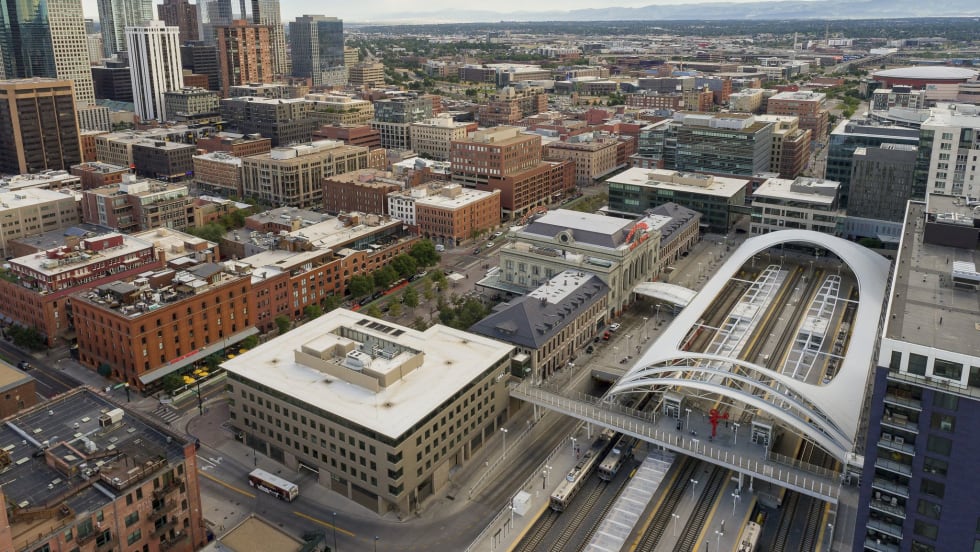
Study: Denver RTD Generates $2.1 Billion in Annual Economic Activity
An economic impact study finds the agency supports approximately 17,500 jobs, delivers $1.6 billion in annual community and mobility benefits, and generates $2.42 in economic value for every dollar invested.
Read More →
Mark Aesch Nominated to Lead Federal Transit Administration
The former Rochester transit chief and TransPro founder, who has also contributed to METRO Magazine, brings decades of industry experience and a focus on performance, accountability, and financial sustainability to the nomination.
Read More →
Best and Worst U.S. Cities for Public Transportation in 2026
A new analysis of 50 major U.S. urban areas ranks public transit systems based on accessibility, affordability, usefulness, and safety, highlighting where transit performs best and where challenges remain.
Read More →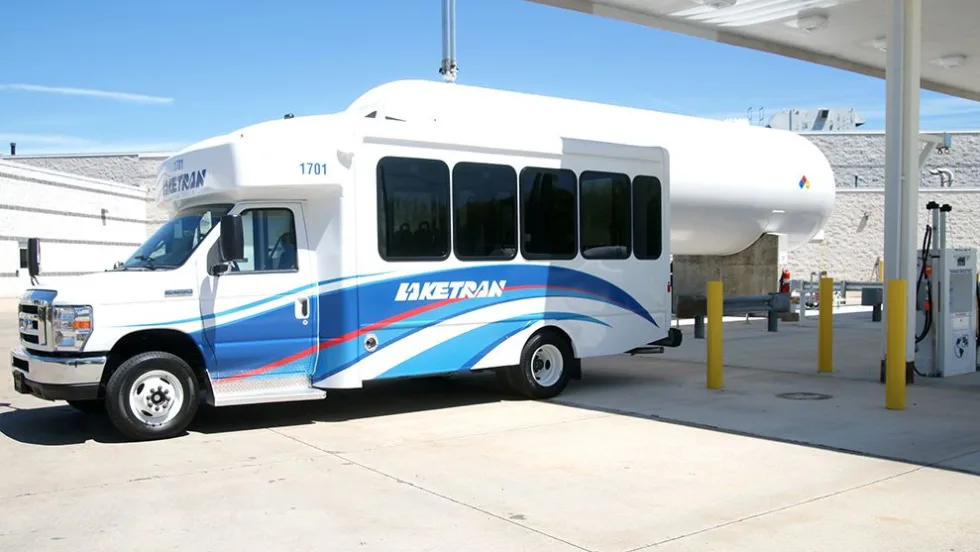
Laketran Cuts Fuel Costs, Boosts Efficiency with Propane-Powered Fleet
The Ohio transit agency is using propane-powered vehicles and on-site fueling infrastructure to cut fuel and maintenance costs while meeting growing demand for paratransit services.
Read More →
Canada’s Public Transit Supports $65.6 Billion in Annual GDP
New research from the Canadian Chamber of Commerce examines transit's economic contributions, including job creation and the financial implications of transportation investment.
Read More →
Pierce Transit Moves to Expand Fleet Following Proposition 1 Approval
The agency authorized the purchase or refurbishment of up to 60 buses to support a 47% service expansion, as voters nationwide approved billions in new transit funding.
Read More →
Right-Sizing Rural Transit: Lessons from North Grenville’s On-Demand Model
A small municipality shows how flexible service, rider needs, and public accountability can expand mobility with limited resources.
Read More →
Transit Ballot Victories Signal Strong Voter Support: What Comes Next?
Voters approved billions in public transportation investments in 2026, giving agencies opportunities to preserve service, expand operations, and strengthen regional connections amid a changing political landscape.
Read More →