



L.A.-to-Pasadena project stays on the right track
A 13.7-mile light rail line connecting downtown Los Angeles with Pasadena that's nearly half-finished narrowly averted a regulatory pile-up that could have delayed completion for several years.

A 13.7-mile light rail line connecting downtown Los Angeles with Pasadena that's nearly half-finished narrowly averted a regulatory pile-up that could have delayed completion for several years. The project, called the Metro Gold Line, is scheduled to open next summer. However, California's Public Utilities Commission (PUC), which oversees rail safety in the state, only recently approved street-level crossings at key intersections. The commission's decision came in a 3-to-2 vote. The alternative was to build rail tunnels at the intersections, a move that transit officials say would have delayed completion of the project for a minimum of two years and possibly as much as a decade. "Total relief" was how Rick Thorpe, CEO of the Los Angeles to Pasadena Metro Blue Line Construction Authority (the name of the line was changed to the Metro Gold Line recently), described his reaction to the verdict. Thorpe said he had met with the PUC commissioners and key staff members within days of the crucial vote, but still wasn't sure of how the vote would go. The Metro Gold Line courses through three municipalities -- Los Angeles, South Pasadena and Pasadena -- and includes 13 stations. More than 400 workers are deployed each day to try to meet the completion date, Thorpe said. Thorpe said the system will accommodate three-car trains that can carry as many as 645 passengers. The trains will run every eight minutes during peak hours and every 20 to 30 minutes during off-peak hours. Approximately 33,000 riders are expected on opening day. Travel along the entire 14-mile route is expected to take 33 minutes. That 33-minute ride has taken more than two decades to bring about. The rail line received initial approval in the early 1980s as part of a regional system after the passage of Proposition A, which provided sales tax funding for the expansion of transit service. The environmental impact report was approved in 1990, and construction began in 1994. Less than four years later, however, construction was suspended because of cost overruns and inefficiencies on the part of the Los Angeles County Metropolitan Transportation Authority (MTA). The Blue Line Construction Authority was formed by the state legislature in January 1999 after it was clear that the MTA would not be able to finish the project on time or on budget. Thorpe was hired by the authority's board of directors to guide the project to completion on a tight budget and timeline. He is close to accomplishing this task and credits the use of a design-build construction process and some creative financing. Thorpe, who's worked at transit agencies in San Diego and Salt Lake City, said funding has been a key issue. Public-private partnerships have helped to ease financial concerns. Joint development near the Del Mar station in Pasadena is expected to produce $11.6 million in revenue. Land adjacent to the Sierra Madre terminal owned by the authority was sold to private developers for $6 million. "Creative financing has been essential to this project," Thorpe said. The Metro Gold Line is the first phase of a proposed 37-mile line. If funding is made available, a 24.4-mile second phase will be constructed through 10 communities connecting east Pasadena and Claremont. Construction could start in 2004 and be completed in 2008. For more information about the Metro Gold Line, visit www.metrogoldline.org.
More Rail
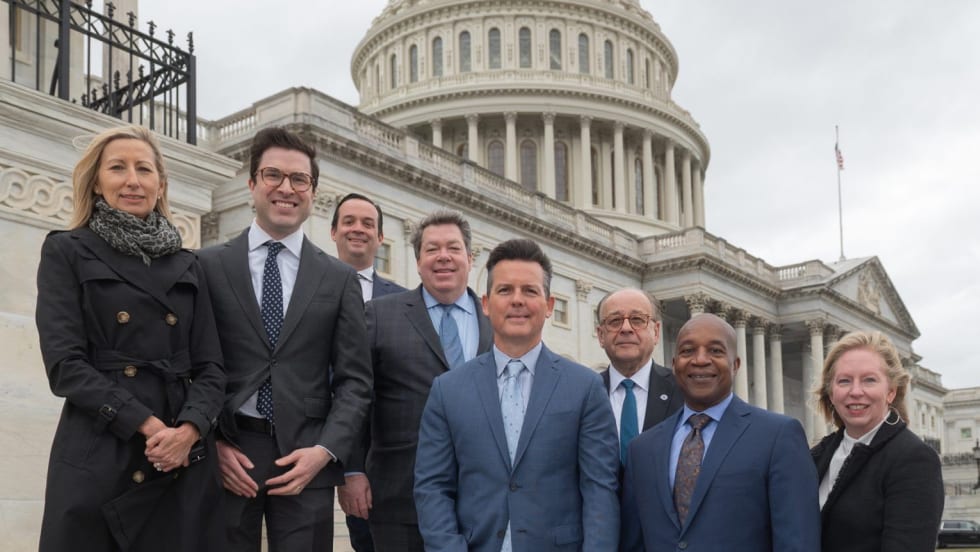
The Business Voice Behind Public Transportation
As chair of APTA’s Business Members Board of Governors, Ray Melleady explains how more than 850 business members are partnering with transit agencies to advance funding, innovation, and industry-wide collaboration.
Read More →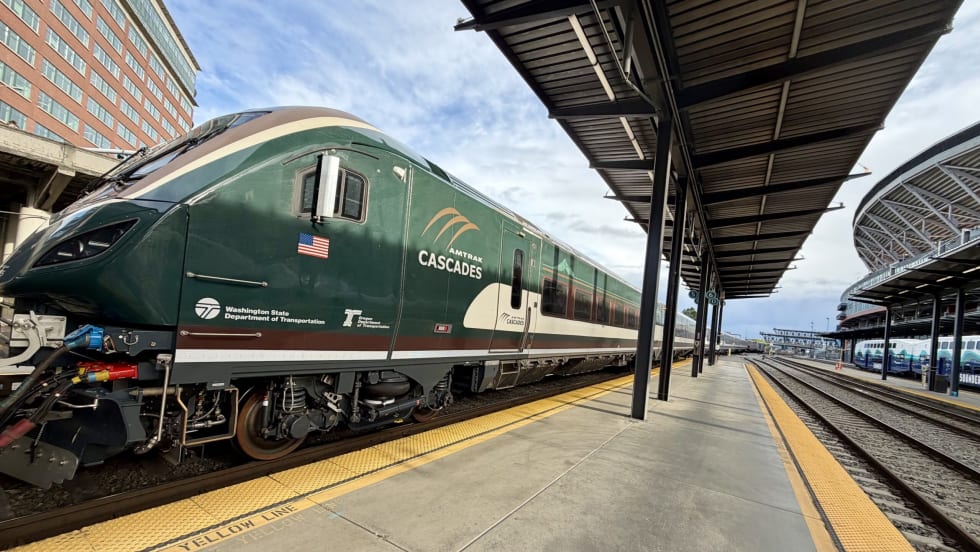
FRA Announces $5.3B in Rail Investments, Including $2B for Amtrak
Funding will support grade-crossing improvements, infrastructure upgrades, and new Amtrak equipment in 23 states.
Read More →
Finding the ‘Happy Medium’: Optimizing Maintenance Without Sacrificing Reliability
The key to maintenance optimization isn’t doing less work—it’s doing the right work at the right time on the right assets.
Read More →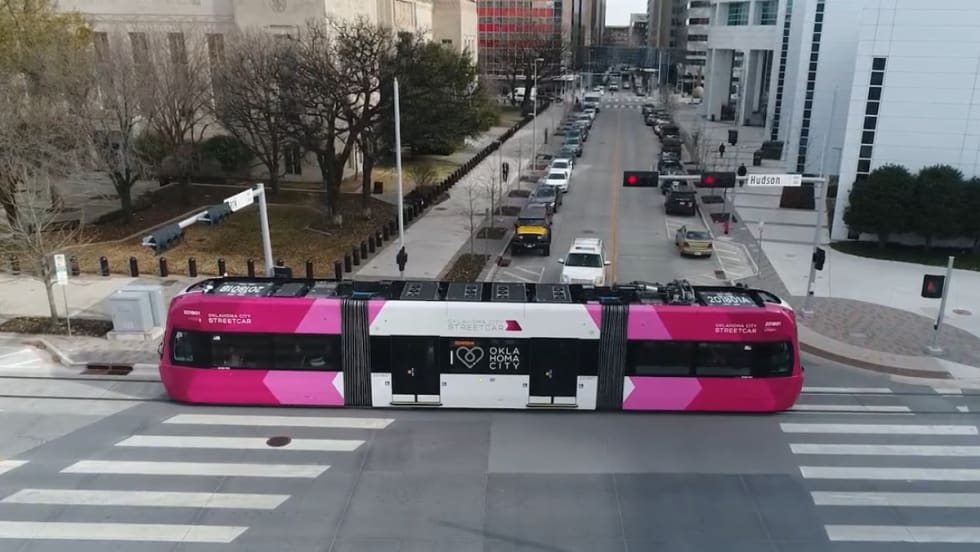
OKC Streetcar Makes Zero-Fare Service Permanent
Ridership increased an average of 71% compared with the same period a year earlier during the fare-free pilot.
Read More →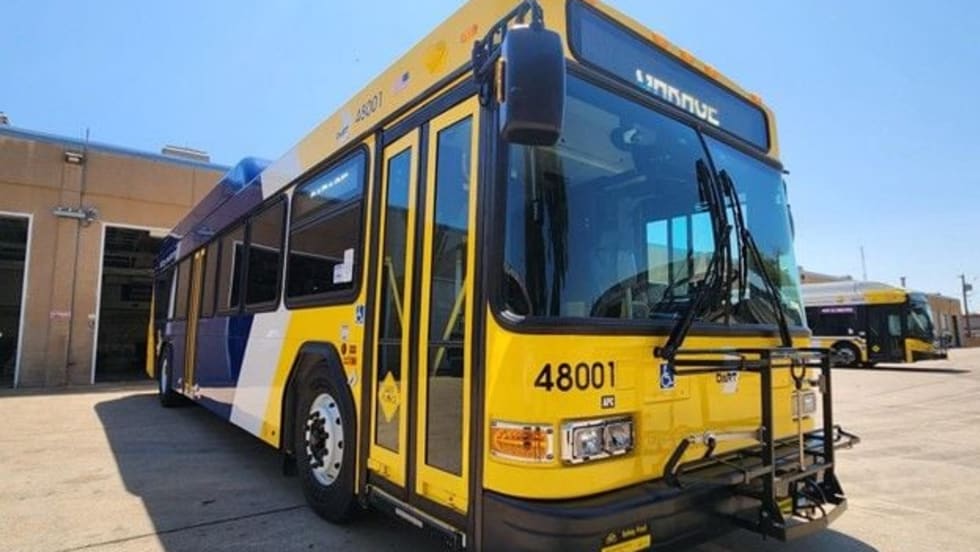
DART Customer Satisfaction Reaches Six-Year High
Overall satisfaction rose to 74.9%, while the agency’s Net Promoter Score reached a record 33.7.
Read More →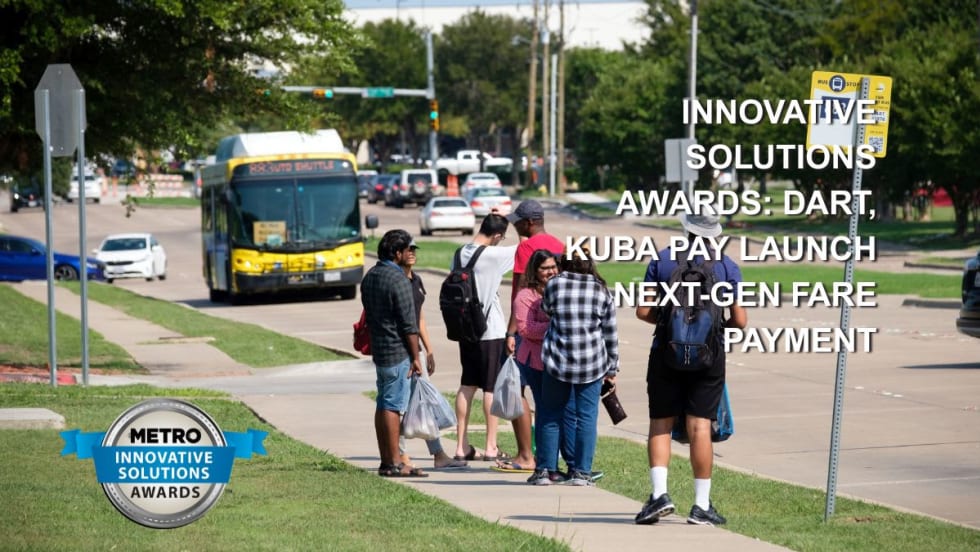
How DART's GoPass Is Redefining Regional Mobility
Serving 14 transit agencies, GoPass simplifies multimodal travel by allowing riders to plan, pay for, and manage an entire trip through one app.
Read More →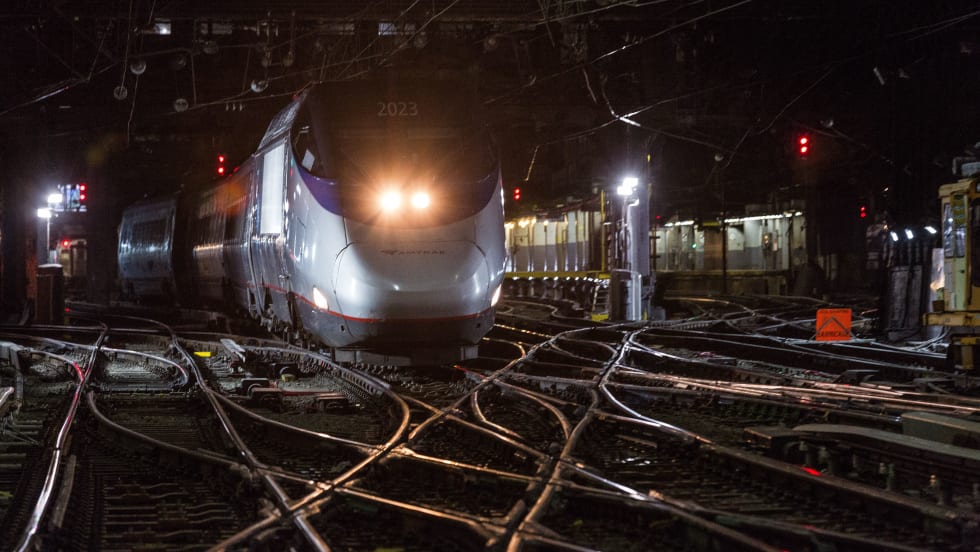
Amtrak Board Advances Plan to Restructure Organization, Seeks Public Input
The proposal, developed by Amtrak management and approved by the board for further consideration, is intended to modernize the organization's structure while improving accountability, operational efficiency, and customer service.
Read More →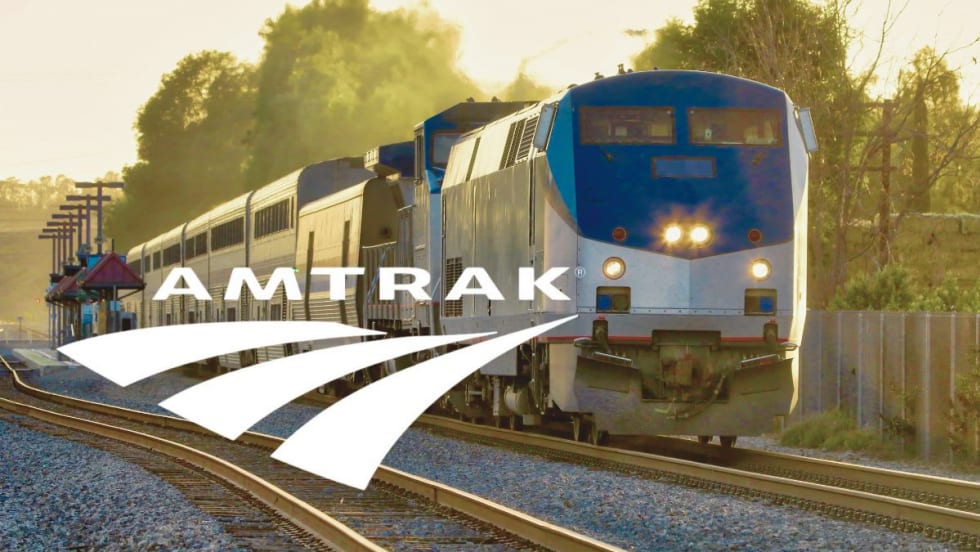
Biz Briefs: STV teams with Amtrak, Motorcoach Operators Boost Fleet and Land Contracts, and More
From manufacturers and suppliers to transit agencies and motorcoach operators, these updates offer a snapshot of the projects, partnerships and business moves driving the industry forward.
Read More →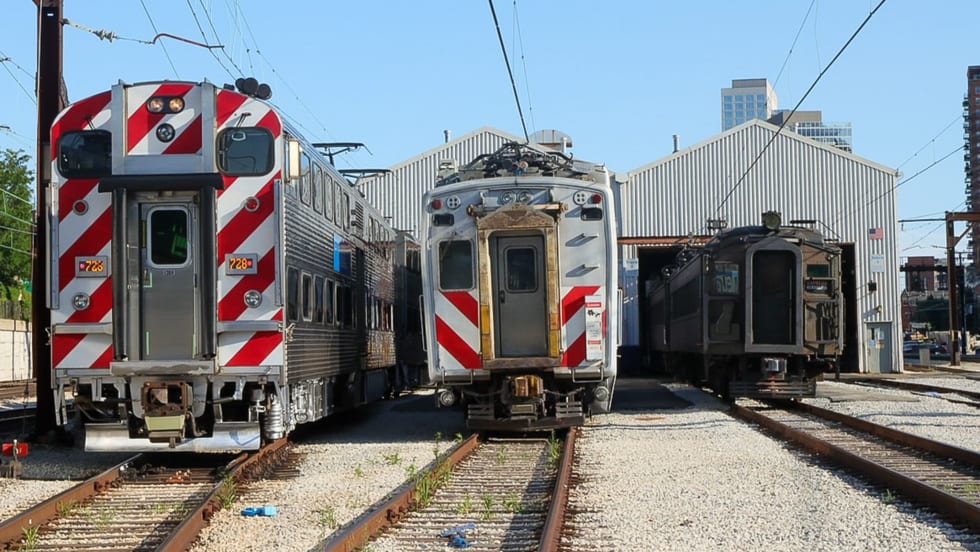
Metra Celebrates 100 Years of Electric Rail, Looks to the Future
The event was also a celebration of recent reforms to public transportation in the Chicago area, changes that could be as transformative in the future as the major civic achievement a century ago, said officials.
Read More →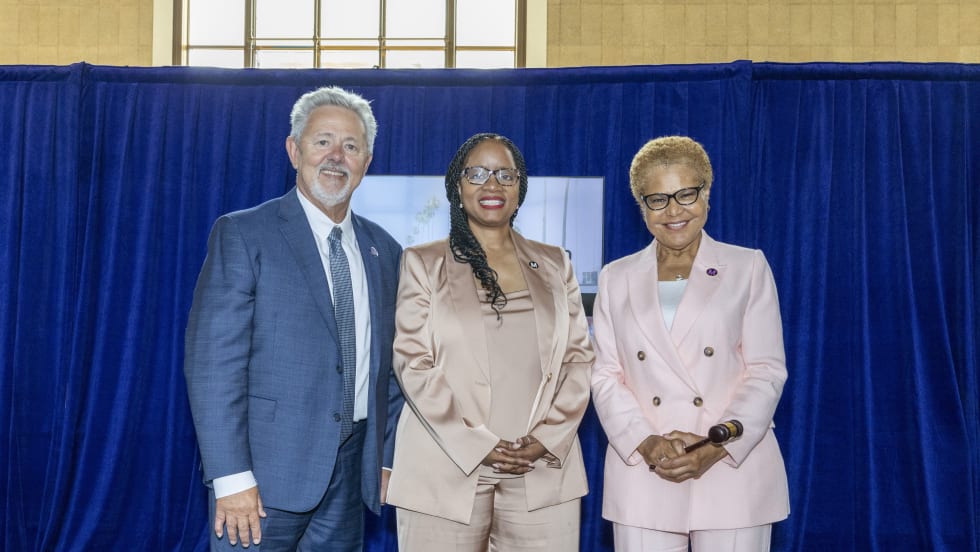
LA Metro Marks Banner Year, Sets Ambitious Goals for New Fiscal Year
Incoming LA Metro Board Chair and Los Angeles Mayor Karen Bass joined outgoing Board Chair Fernando Dutra and LA Metro CEO Stephanie Wiggins to review accomplishments from fiscal year 2026, which included the opening of new rail extensions, advancement of major transit projects, expanded safety programs, and new rider amenities.
Read More →