



Read More: New York City Transit Opens New Paratransit Assessment Center
May Mobility Partners with Lyft on AV Service
Lyft and May Mobility are bringing AVs to Atlanta in order to best utilize the technology of both companies.
by Staff
November 7, 2024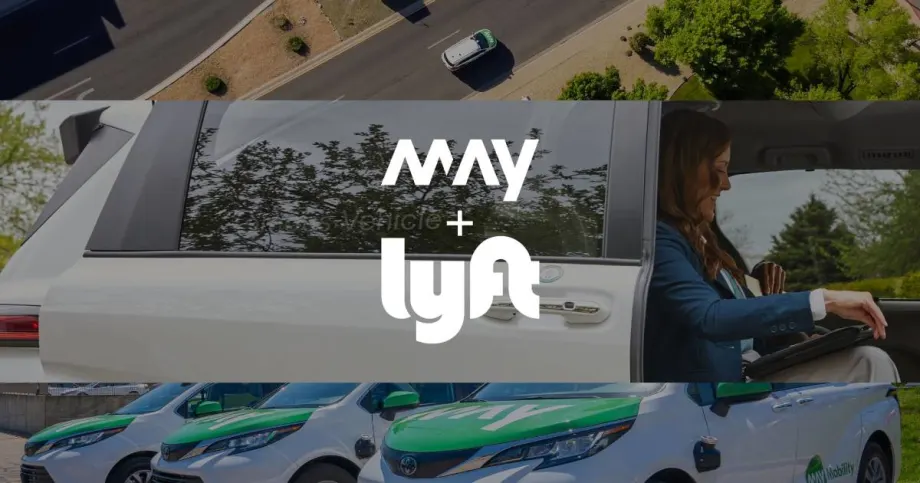
May Mobility and Lyft are combining their technologies in a joint deployment in Atlanta, allowing Lyft users to have access to May Mobility powered AVs.
Photo: May Mobility/Lyft
3 min to read
Lyft announced plans for multiple autonomous vehicle (AV) partnerships to connect the Lyft community with future AV rides in the Lyft app, including a deployment in Atlanta with May Mobility.
Lyft and May Mobility will directly deploy AVs to the Lyft platform in Atlanta starting in 2025, enabling riders the opportunity to be matched with a fleet of autonomous Toyota Sienna minivans equipped with May Mobility’s autonomous technology.
The deployment is aimed to scale over time across multiple markets.
“Our long-term goal is to expand the deployment of autonomous vehicles by working with cities and businesses, allowing more people to benefit from innovative, safe, and flexible mobility options,” said Edwin Olson, CEO of May Mobility. “By working with Lyft, we can scale our AV services, reach more communities, and continue to lead in bringing the benefits of autonomy to diverse environments.”
Bringing AVs to Atlanta
May Mobility selected Atlanta for the partnership due to the growing urban landscape and the city’s commitment to transportation innovation. By working with Lyft, they can expand their services while combating common challenges like traffic congestion, pollution, and inefficient use of resources.
In the coming months May Mobility and Lyft will work to finalize plans for their first deployment. These include the number of vehicles, mapping the service zone, and finalizing the hours of operation.
Olson explains Atlanta is only the beginning for May Mobility and Lyft’s partnership, as they both have the goal to expand to other markets in the future.
“With this new partnership, our commitment hasn't changed,” he said. “We will continue to do what we do best: provide communities with access to our patented autonomous driving technology to solve real-world transportation challenges. The pilot will start with autonomous vehicle operators and progress toward driver-out operations, though the timeline is still to be determined.”
How May Mobility AVs Work
May Mobility’s Avs use its Multi-Policy Decision Making (MPDM) technology to effectively navigate city streets.
Vehicles are equipped with a multiple lidar, radar, and cameras to feed MPDM a 360-degree view of its surroundings. Using this data, MPDM is able to virtually simulate thousands of possible scenarios every second.
As the AV detects vehicles, pedestrians, bikers, and pets, MPDM quickly analyzes the best maneuver to perform to efficiently and safely reach its destination.
Other Lyft Partnerships
Lyft is also partnering with Mobileye and Nexar to further their AV goals.
Lyft and Mobileye are planning to bring AVs to the Lyft network.
Lyft will make its scaled rideshare platform available to all vehicles with Mobileye’s self-driving technology. Vehicles equipped with Mobileye Drive technology will hit the road “Lyft-ready,” giving small and large fleet operators seamless access to Lyft’s platform and network of riders to optimize their vehicles.
Nexar and Lyft will explore ways to harness the power of aggregated, anonymized marketplace and fleet data to help OEMs and AV companies built better and safer autonomous technology. By pairing Lyft data with Nexar’s hundreds of millions of hours of video footage, they can jointly contribute to a more complete data set for autonomous research and development.
Subscribe to Our Newsletter
More New Mobility
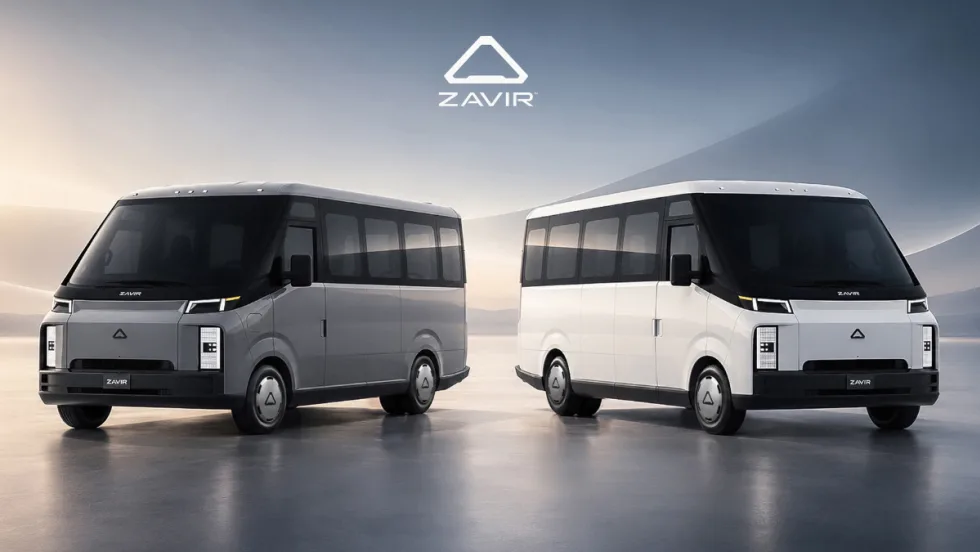
ENC Unveils ZAVIR Medium-Duty Electric Shuttle
The new ZAVIR brand targets shuttle and paratransit operations with battery-electric and range-extended electric vehicle options.
Read More →
Public Transit Conference Returning to GFX in 2027, Call for Papers Now Open
The Call for Papers is now open, allowing transit agency professionals and industry experts to help shape the PTC educational program by submitting session ideas for consideration.
Read More →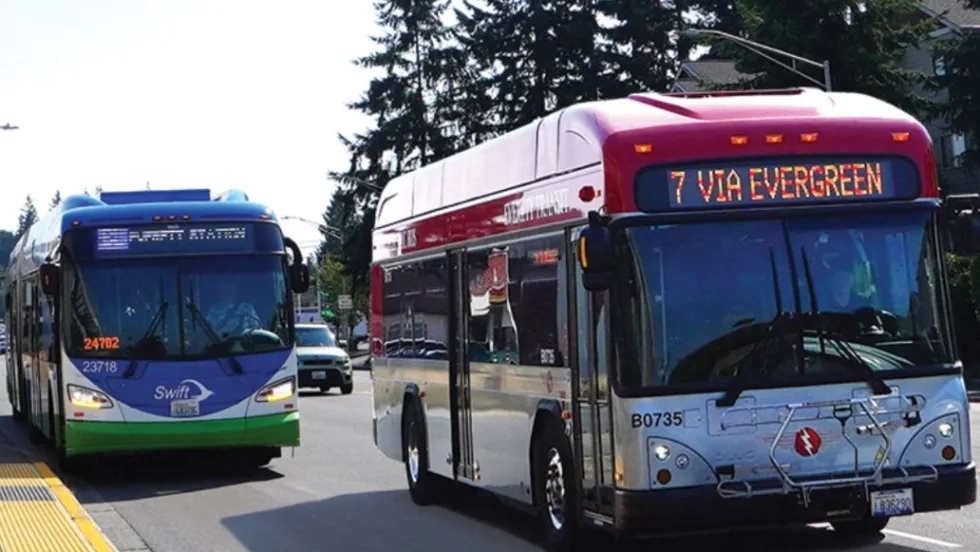
Everett Transit, Community Transit Outline Consolidation Agreement
The proposed agreement calls for a 50% increase in bus service in Everett, a new microtransit zone, continued paratransit service, and the transfer of Everett Transit operations to Community Transit.
Read More →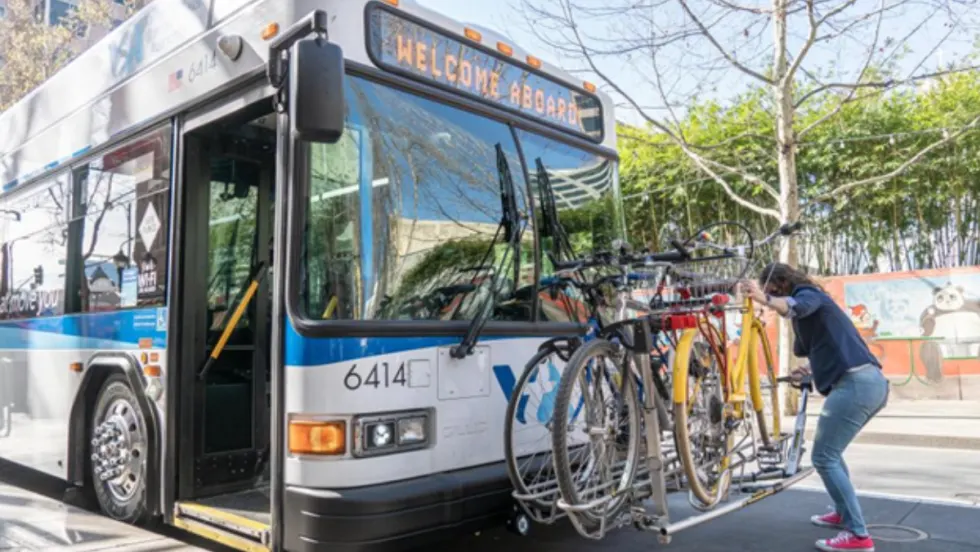
What Multimodal Data Can Tell Transit Agencies About Rider Demand
See how bike-on-bus data is giving transit agencies new insight into rider demand, capacity constraints, and gaps in first- and last-mile connections.
Read More →
From Hardware to Digital Partner: Luminator Charts Its Next Chapter
CEO Magnus Friberg discusses Luminator’s shift toward becoming a digital partner, the growing importance of software and interoperability, and how AI can help agencies improve operations and passenger experience.
Read More →
Biz Briefs: Alstom Lands Canadian Contract, LYT to Supply California TSP, and More
In METRO's latest installment, we take a look at recent news from Complete Coach Works, Beep, FlixBus, and more partnerships making headlines across the transportation sector.
Read More →
CharterUP’s Armir Harris on Technology, AI, and the Future of Group Mobility
In a recent episode of METROspectives, CharterUP Founder/CEO Armir Harris discussed the company’s evolution from an online charter bus marketplace into a technology platform supporting public- and private-sector mobility and much more.
Read More →
Jacksonville’s NAVI Project Charts a New Course for Autonomous Public Transportation
Through its NAVI program, JTA is showing how autonomous vehicles, intelligent infrastructure, and coordinated operations can work together to deliver everyday public transportation.
Read More →
Biz Briefs: Luminator Marks Milestone and More
From manufacturers and suppliers to transit agencies and motorcoach operators, these updates offer a snapshot of the projects, partnerships and business moves driving the industry forward.
Read More →
New Tricks for Old Bureaucracies: Joshua Schank on Making Transit Innovation Stick
Former LA Metro Chief Innovation Officer Joshua Schank discusses why good ideas aren't enough, how transit agencies can overcome resistance to change, and why today's challenges demand more innovation.
Read More →