



Setra’s S417 debuts in North America
Setra’s latest model coach, S417, was developed specifically for the North American market, where major growth has been seen for luxury motorcoaches.

Setra’s latest model coach, S417, was developed specifically for the North American market, where major growth has been seen for luxury motorcoaches. Setra, part of DaimlerChrysler Commercial Bus North America, expects to sell approximately 300 of its new S417 vehicles, part of the TopClass 400 coach line, to the North American market in a single year. “The new S417 coach for the American market displays all the features that have made the TopClass 400 Series such a phenomenal success in Europe,” said Werner Staib, member of the executive board responsible for the Setra brand. Features of the 45-foot luxury coach, which accommodates 58 passengers, include a Detroit Diesel Series 60 engine, Allison B500 R six-speed transmission and an integrated multiplex electronic system. The 102-inch vehicle width, extended from the European versions, is another feature of note. Setra recently performed a rigorous 60-day trial run of the S417 during a cross-country trek through New Orleans, Phoenix and Death Valley, Calif., to test the air conditioning and brake systems. Initial sales of the new German-manufactured model were made to two U.S. operations, with delivery scheduled for 2003. Cyr Bus Line in Old Town, Maine, ordered the first two coaches, adding to its existing fleet of 25 vehicles. Premier Coach in Burlington, Vt., also placed an order for 30 S417s to replace its existing fleet.
More Management
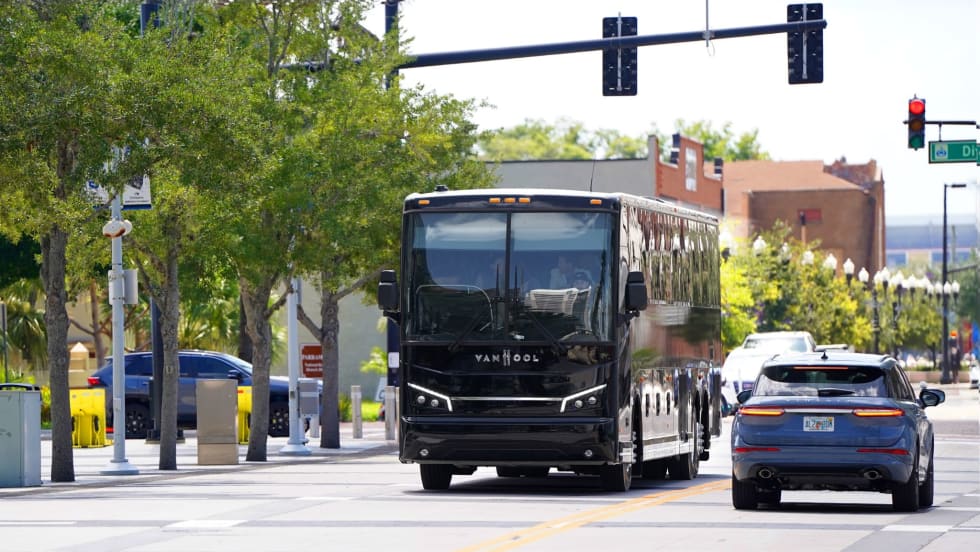
Financing, Fleet Replacement Requires a More Strategic Approach
Executives from ABC Companies and MCI discuss how rising costs, changing market conditions, and post-pandemic challenges are prompting motorcoach operators to rethink financing strategies, fleet replacement cycles, and long-term planning.
Read More →
Bringing Austin’s First Light Rail System to Life
Austin Transit Partnership CEO Greg Canally discusses the city's nearly 10-mile light rail project, its collaborative approach to project delivery, the importance of community engagement, and the milestones ahead as construction approaches in 2027.
Read More →
ETA CEO John Maglio on Transit Technology, Innovation, and Building Agency Trust
ETA founder and CEO John Maglio explores the evolution of transit technology, the importance of reliable systems, and how stronger partnerships can help agencies improve operations and the passenger experience.
Read More →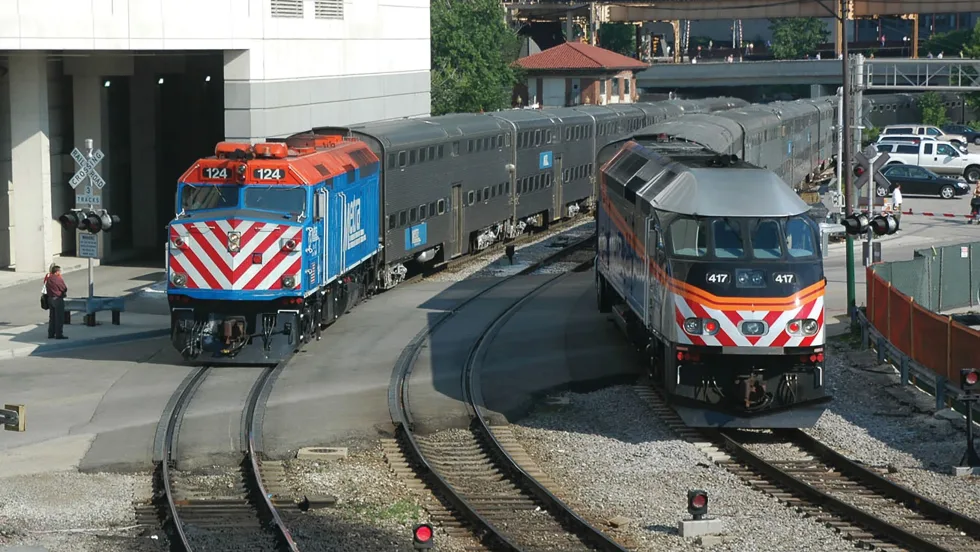
Metra Draft Plan Outlines Costs, Service Improvements for Regional Rail
The Systemwide Network Plan identifies infrastructure needs and potential investments to expand all-day, bidirectional rail service across the Chicago region.
Read More →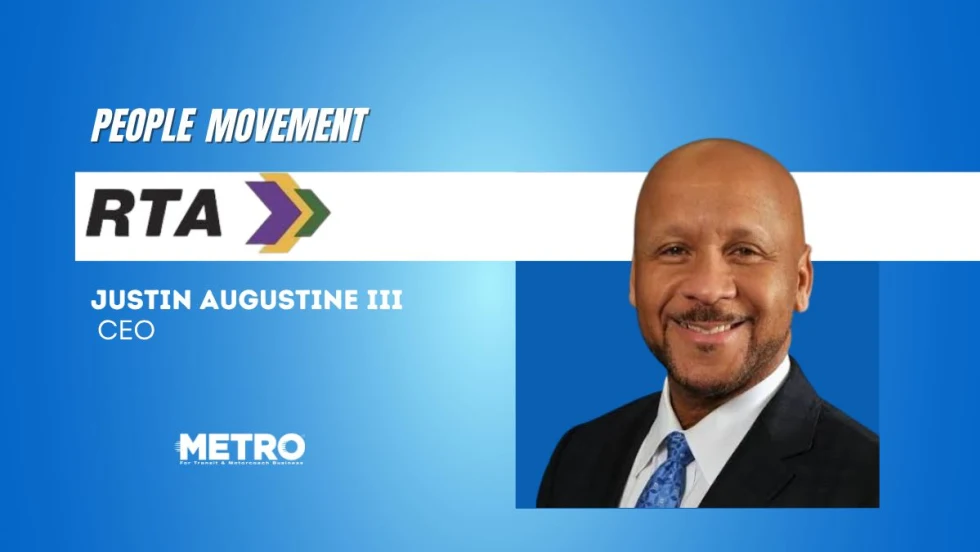
New Orleans RTA Names Augustine III as New CEO
In this edition, we also spotlight recent personnel moves at HDR, PATH, STV, and more, highlighting the people taking on new roles across the transportation industry.
Read More →
How Transit Agencies Are Using Free Rides to Improve Voting Access
Transit agencies are using fare-free service, trip-planning tools, and targeted rides to improve voting access. See what other agencies can learn from these efforts.
Read More →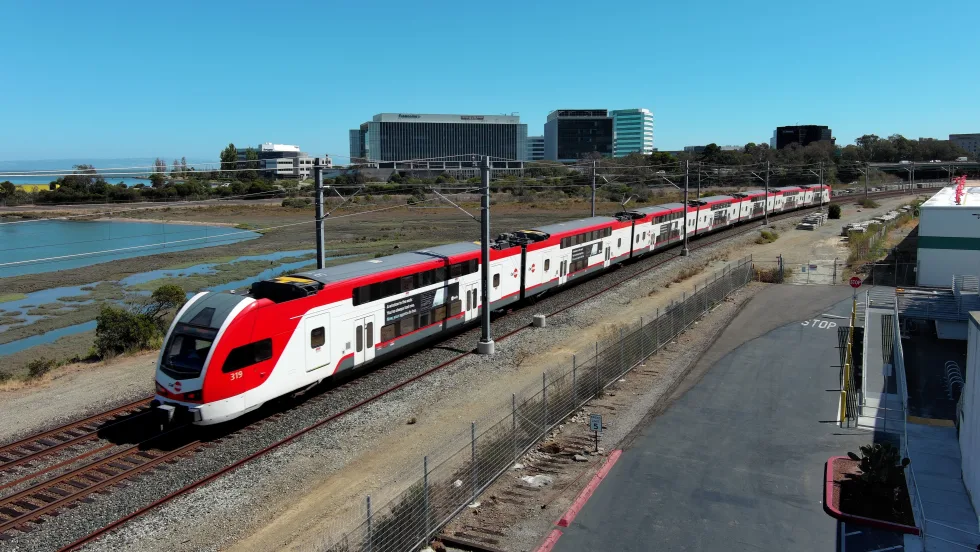
Caltrain’s Electrification Drives a New Era of Ridership Growth
The railroad’s shift to electric service has brought more frequent trains, stronger customer satisfaction, and increased ridership, earning it APTA’s Outstanding Public Transportation System award.
Read More →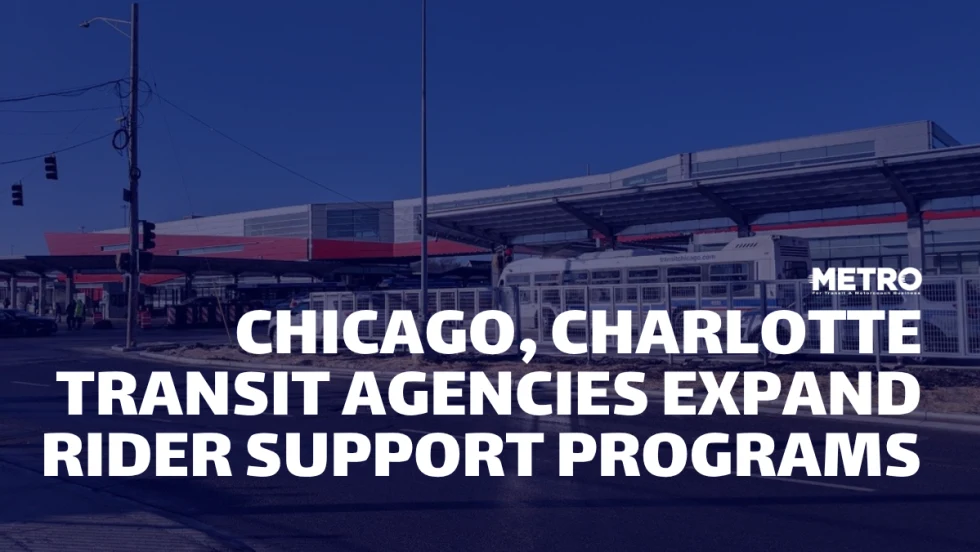
Chicago, Charlotte Transit Agencies Expand Rider Support Programs
CTA launched crisis intervention teams as CATS prepares to deploy fare ambassadors, expanding customer assistance and security efforts across both systems.
Read More →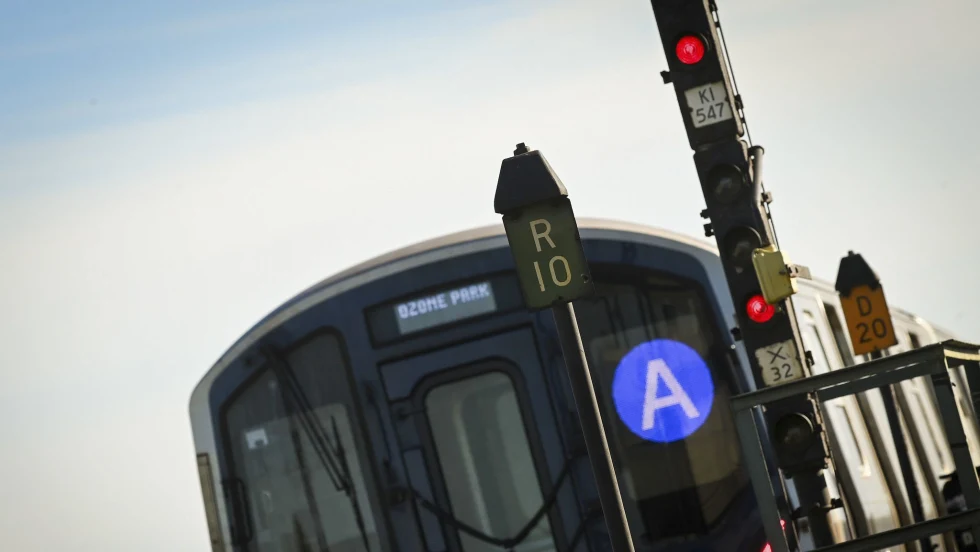
New York MTA Launches Historic $1.9B Signal, Track Modernization Project
Funded in part by congestion pricing revenue, the project will replace nearly century-old signals along the A and C lines in Brooklyn and Queens.
Read More →
Brian Dickson on Building Stronger, More Resilient Transportation Organizations
Bus Business Consultants Founder Brian Dickson discusses the leadership principles, operational discipline, and strategic planning that separate transportation companies positioned for long-term success from those stuck in survival mode.
Read More →