
Heather Redfern
Public Information Manager, SEPTA


 MENU
MENU SEARCH
Public Information Manager, SEPTA

When the U.S. Department of Veterans Affairs and Paralyzed Veterans of America hold the 34th National Veterans Wheelchair Games in Philadelphia from August 12-17, SEPTA will have the opportunity to demonstrate its commitment to those who have served the Armed Forces. The Authority will provide transportation for the more than 500 veterans with spinal cord injury, amputations and neurological disorders that will travel to Philadelphia from across the country and the United Kingdom to compete.
Read More →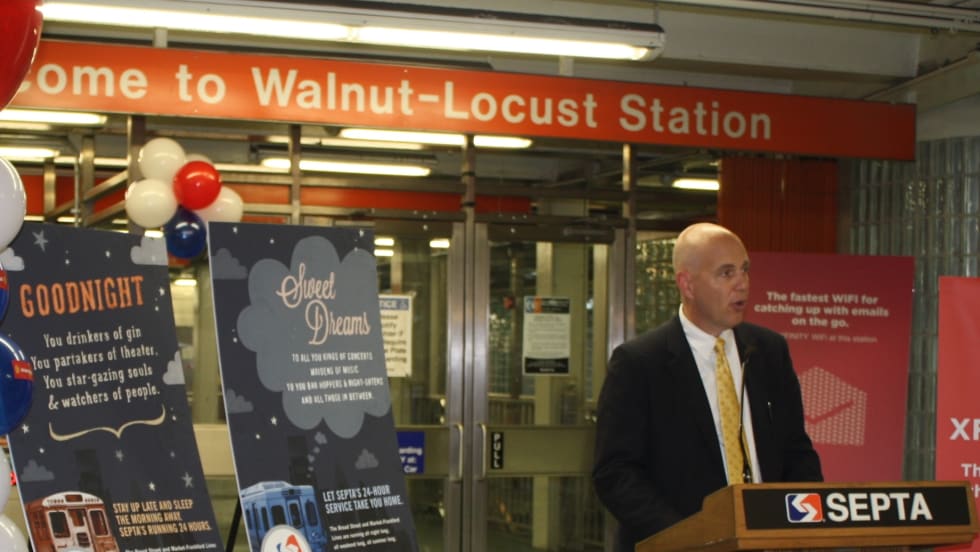
Those who depend on mass transit believe that service should be available 24/7 so that they can get to where they need to go, whenever they need to get there. In New York, MTA customers can hop on the subway 24 hours a day. In Chicago, CTA riders can use the Blue and Red “L” lines around the clock. But in cities like Boston and Philadelphia, major service lines and routes are not always all that convenient in the early hours of the morning — until now.
Read More →
Over the past year, SEPTA officials have responded to a few track fall incidents each month. Surveillance cameras often show people — some talking or texting on their phones or otherwise distracted — walking past the yellow warning strip and landing into the track area. To decrease these incidents, SEPTA is making distracted commuting the focus of its second annual “Make the Safe Choice” Safety Day.
Read More →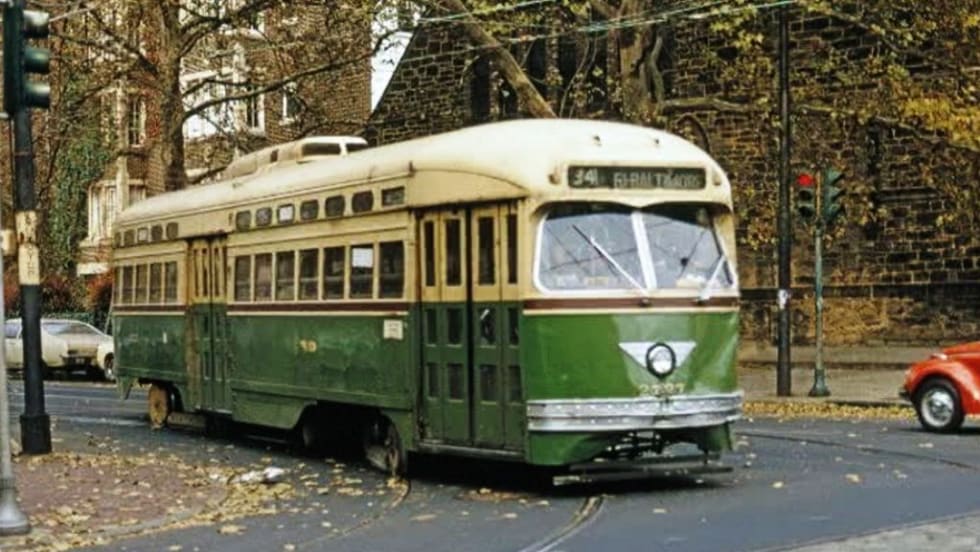
In the public transit world, 1964 marked the world’s first high-speed rail network, driverless train and California breaking ground on the BART system. It was an important year for public transportation in Philadelphia, too. On Feb. 18, 1964, the organizational meeting that established what is now the nation's sixth largest transportation agency —SEPTA — was held.
Read More →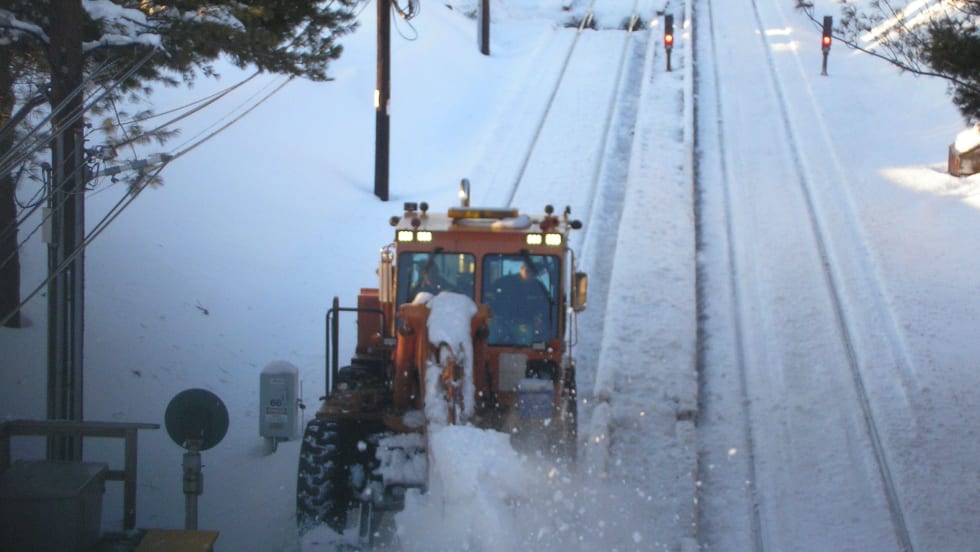
The winter of 2014 was relentless, with its deep freezes, ice storms, record snowfall, torrential rain and mudslides. The end of the season will be welcomed by transportation organizations across the country, especially in Philadelphia, where SEPTA’s service was impacted by 16 storms and weeks of extremely frigid temperatures.
Read More →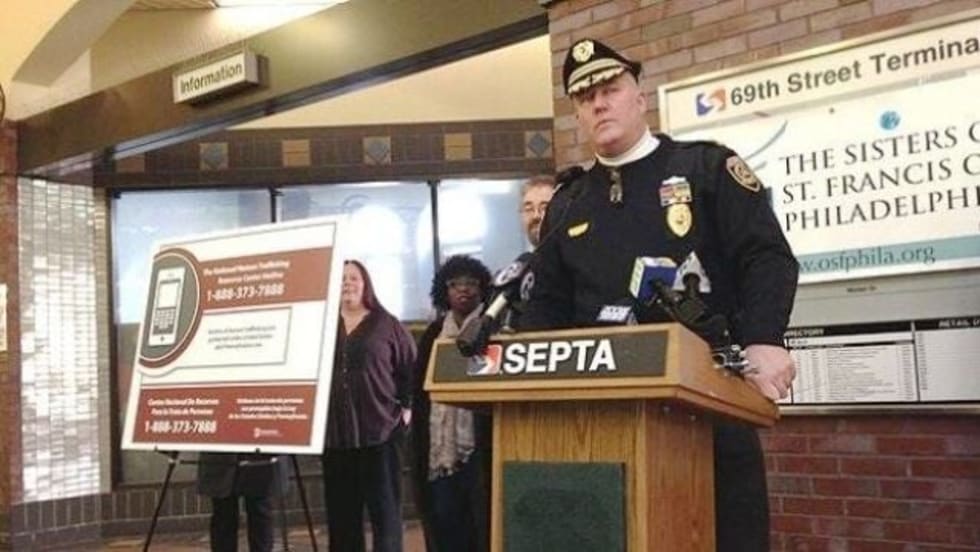
Transit can play a role in helping to stop human trafficking, considering the number of people using it 24 hours a day. SEPTA Police Chief Thomas Nestel was recently joined by representatives from local social service agencies and a former human trafficking victim to discuss signs of the crime, law enforcement efforts and how the public can help.
Read More →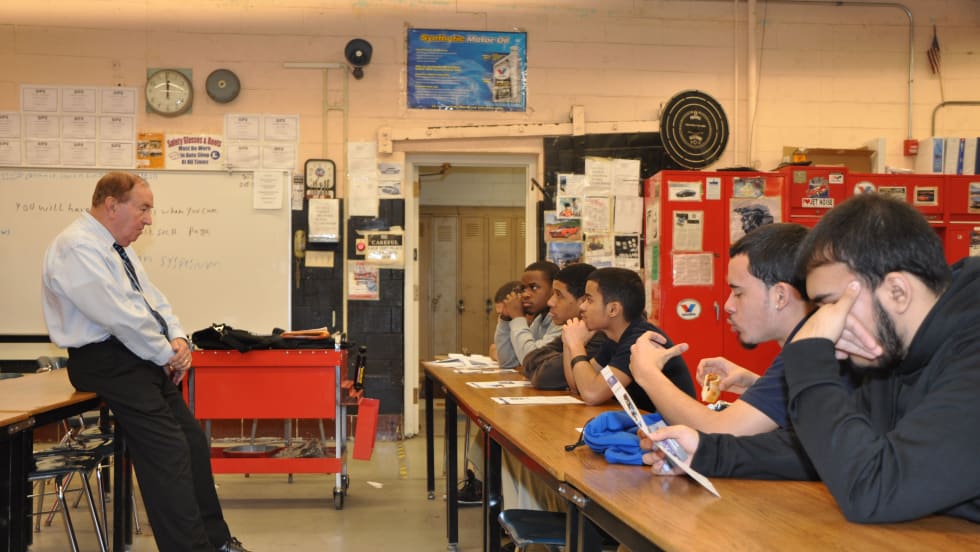
Jobs in the transportation industry can be highly specialized, requiring employees to have very specific training and numerous certifications. Transit systems can ensure that the workers they are hiring are well-prepared for open positions by partnering with technical schools to collaborate on curriculum and create a pipeline of qualified job candidates.
Read More →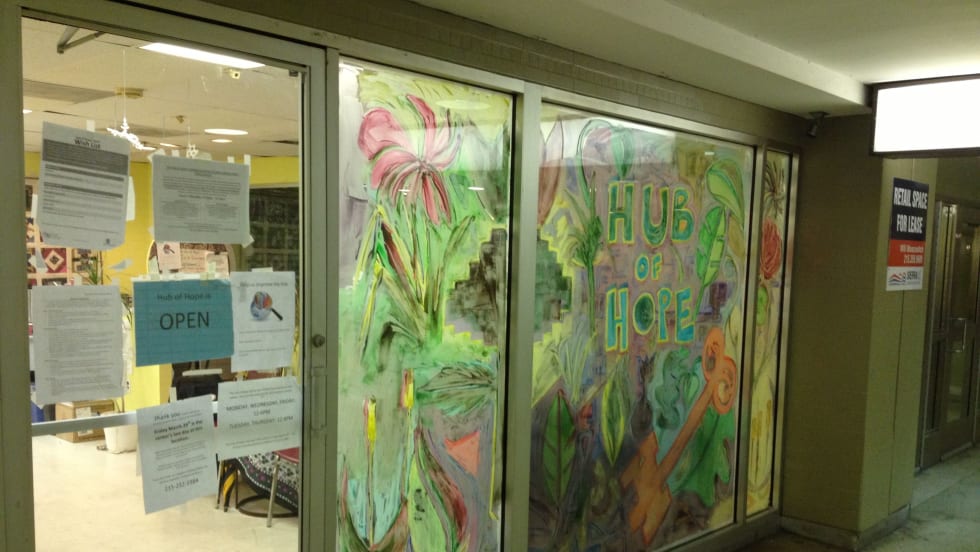
When the frigid weather makes it too hazardous to stay outside, many homeless seek shelter in train stations, bus depots and other public facilities. SEPTA has partnered with an organization that works to end homelessness to create the "Hub of Hope," which offers a variety of services and housing, especially for those experiencing long-term street homelessness.
Read More →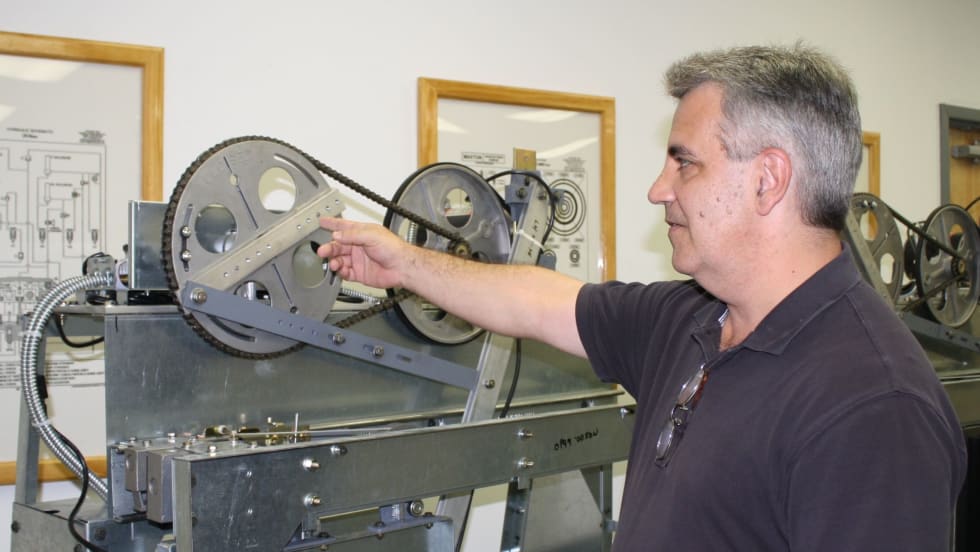
For some public transit riders, the first mode of travel they take every day is not a transit authority’s trains or buses, but rather the elevators and escalators to get to a station’s platforms or vehicles. And to keep them moving, elevators and escalators require as much attention as an organization’s fleet.
Read More →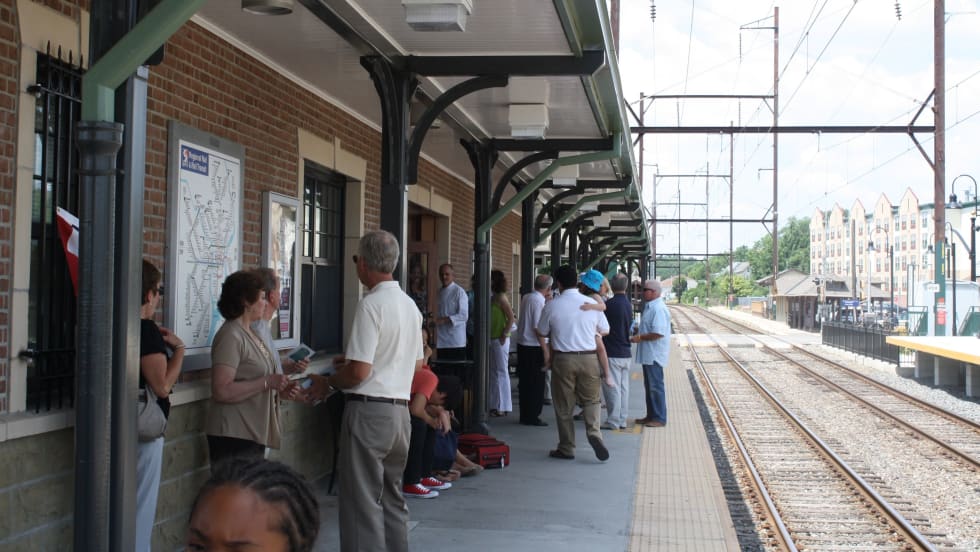
Across the country, transit is experiencing record ridership growth. The increase in commuters is not only good for transit organizations’ revenue; proximity to train stations and transportation centers can boost property values for surrounding communities and spur new construction of transit-oriented developments, shopping centers and other businesses. But what happens to communities when the “T” in the TODs is no longer there?
Read More →