



The dangers of ‘distracted commuting’
Over the past year, SEPTA officials have responded to a few track fall incidents each month. Surveillance cameras often show people — some talking or texting on their phones or otherwise distracted — walking past the yellow warning strip and landing into the track area. To decrease these incidents, SEPTA is making distracted commuting the focus of its second annual “Make the Safe Choice” Safety Day.

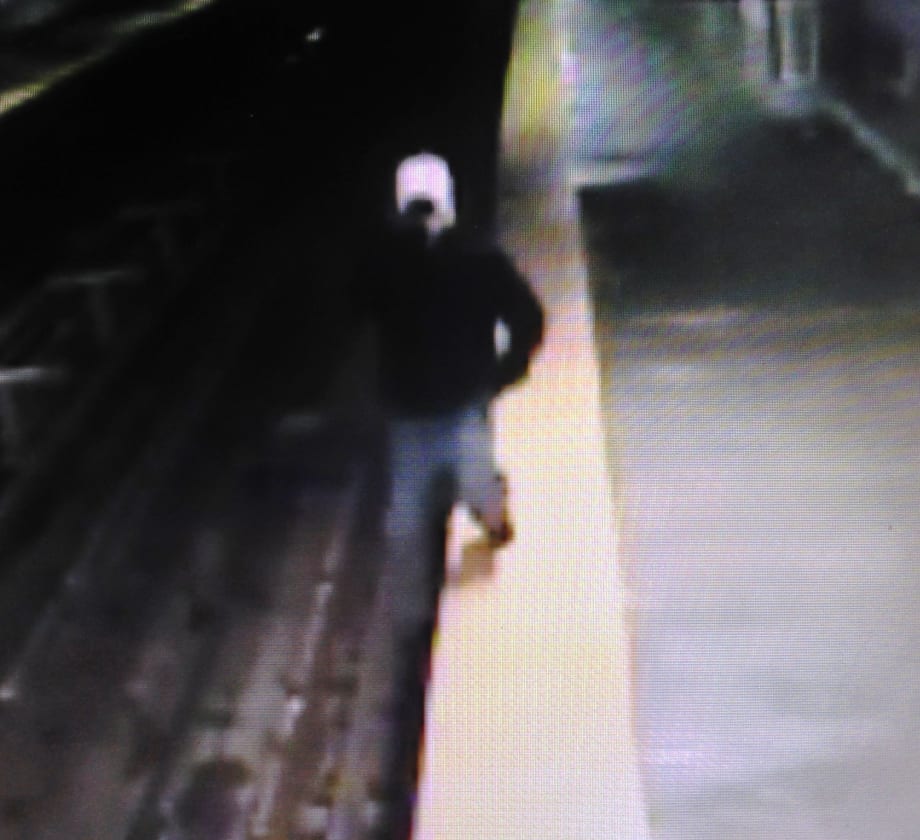
Surveillance footage shows a man at the Berks Station on SEPTA's Market-Frankford subway-elevated line talking on his phone, walking off the platform and falling into the track area. He was not seriously hurt.
Surveillance footage shows a man at the Berks Station on SEPTA's Market-Frankford subway-elevated line talking on his phone, walking off the platform and falling into the track area. He was not seriously hurt.
Super-fast smartphones, tablets and other mobile electronic equipment have not only put the world in the palm of our hands, they have also succeeded in steering our attention away from our immediate surroundings.
“Distracted behaviors caused by being too connected to our electronic devices have become a more frequent occurrence at our stations and transportation centers,” said Scott Sauer, system safety director for Southeastern Pennsylvania Transportation Authority (SEPTA). “People are so engrossed in what they are reading or listening to on their smartphones that they are stepping out in front of buses and walking off the platforms into the track area.”
RELATED:UTA: 'Distracted walking' fines, other measures working
Over the past year, SEPTA officials have responded to a few track fall incidents each month throughout the transit system, with a majority of those happening on the Market-Frankford subway-elevated and Broad Street subway lines.
Surveillance cameras often show people — some impaired or under the influence, others talking or texting on their phones or otherwise distracted — walking past the yellow warning strip and landing into the track area.
“That is especially troubling on the subway and subway-elevated lines, where not only is the drop from the platform to the track about four feet, there is an electrified third rail,” said Sauer. “And in many cases, our trains are just minutes from entering the stations where the falls had just occurred.”
In some of the videos, those who fall are looking up or down the track for the train, stepping over the warning strip to do so.
“Looking down the platform does not make the train come faster,” said Sauer. “The safety line is there for a reason. You can still stand behind it and see and hear the train coming.”
Amazingly, only one of these falls has resulted in a fatality. On April 29, 2014, a woman survived a fall into SEPTA’s Broad Street Line tracks even though her leg hit the third rail, which was fully powered.
“In some cases, the victims have suffered cuts, head injuries and broken bones, while others have been able to pull themselves out of the track area,” said Sauer. “Luckily, other passengers have quickly alerted staff to the situations by pressing the emergency call buttons and talking to our cashiers, giving us time to cut off power and stop trains.”
To decrease track fall incidents, SEPTA is making distracted commuting the focus of its second annual systemwide “Make the Safe Choice” Safety Day. On May 21, 500 of the transit system’s employees will distribute educational materials and answer safety questions at 120 SEPTA rail, trolley and bus stations; loops and transportation centers throughout SEPTA’s five-county service area during the morning and evening rush hours.
“Just taking a few seconds to check your surroundings, staying behind yellow lines on platforms and not running to catch a train or bus can be the difference between life and death,” said Sauer. “We can’t emphasize that enough.”
In case you missed it...
Read our METRO blog, "Advancing women in transportation: Closing the gap"
More Blog Posts
Building a Winning FTA Grant Proposal: Why Propane Autogas is the Pragmatic Choice for Fleet Resilience
With $610 million available through the FY 2026 Buses and Bus Facilities Competitive Program and the Low or No Emission Grant Program, agencies must build a compelling case before the September 21 deadline that balances environmental compliance with operational feasibility.
Read More →
Velo-city Conference 2026: Latest Trends in Cycling as Part of Urban Mobility
The global cycling conference highlighted how cities are integrating bicycles into multimodal transportation networks, expanding cycle tourism and reshaping urban mobility.
Read More →
Kindness Isn’t Soft...It’s Strategic.
Mike Bismeyer — often known as “The Kindness Guy” — has spent more than 17 years in public transit and mobility, serving in industry leadership roles, speaking across North America, and advocating for stronger workplace cultures. But his message doesn’t come from theory. It comes from lived experience.
Read More →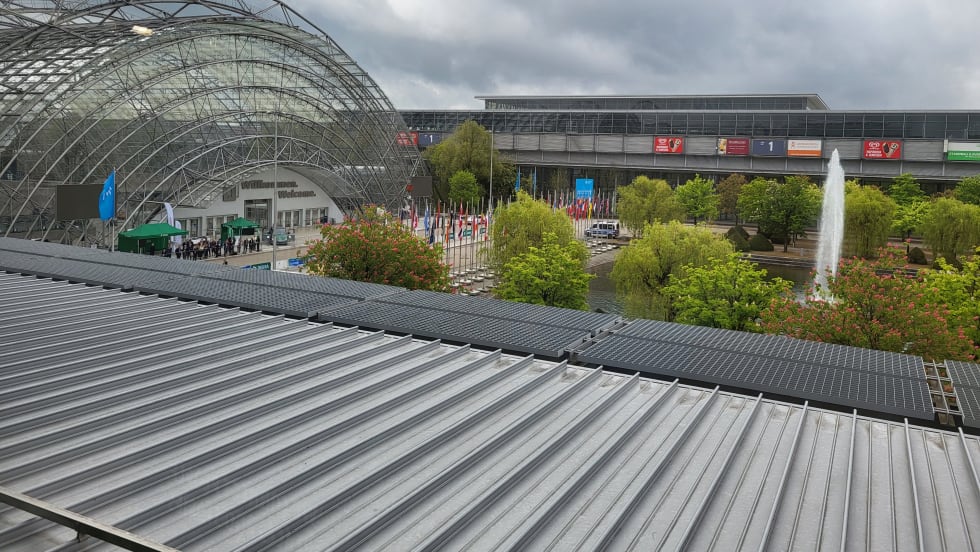
Inside ITF 2026: Transport Reacts to A Challenging World
Transport leaders from around the world gathered in Leipzig, Germany, for the 2026 International Transport Forum to discuss resilience, climate impacts, supply chains and the future of sustainable mobility.
Read More →
Every Ride Tells a Story — But You’re Not Just Selling the Ride
You’re selling the moment, the meaning, and the emotion behind it.
Read More →
How Digital Signage is Reshaping the Traveler Experience at Transportation Hubs
What was once a landscape of static signs has evolved into a responsive, immersive environment powered by real-time visual communication.
Read More →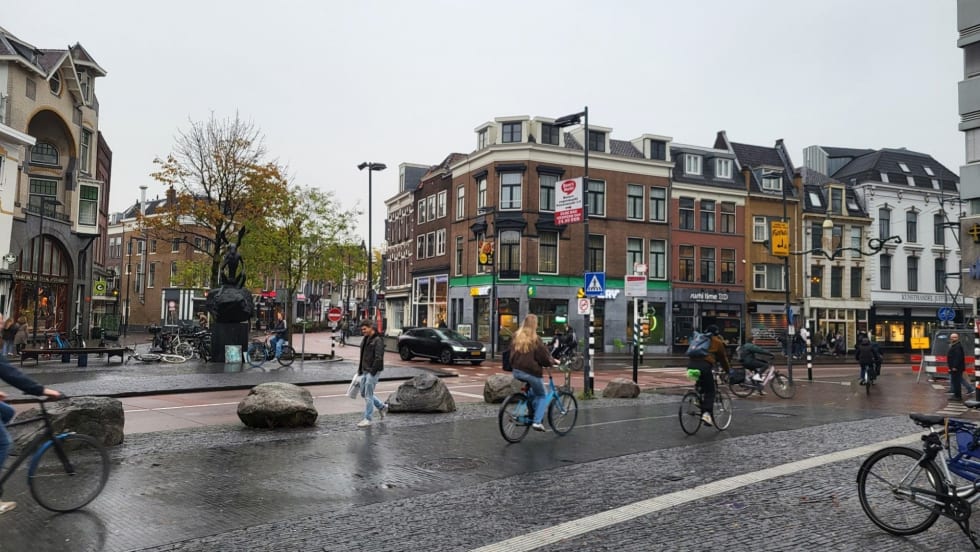
Latest Trends in Urban Mobility from Polis Conference 2025
Polis comprises cities and regions, as well as corporate partners, from across Europe, promoting the development and implementation of sustainable mobility. This year’s event had over a thousand attendees across various policy forums and an exhibition.
Read More →
Why Transit Leaders Require Better Tools for Operational Clarity In Today’s Tech-Fragmented Environment
Across North America and beyond, transit agency officials are contending with a perfect storm of operational headaches and strategic challenges that hamper daily service and long-term progress.
Read More →
The Powerless Brokers: Why California Can’t Build Transit
It is no secret that transit in the U.S. is slow and expensive to build.
Read More →
Why Transport Sustainability Should Focus on People Instead of Cars
Simply incentivizing electrification is not enough to make a meaningful impact; we must shift our focus toward prioritizing public transportation and infrastructure.
Read More →