Funds for the BRT system will be provided on a reimbursement basis. Construction on the project is complete.
Via ART
2 min to read
Funds for the BRT system will be provided on a reimbursement basis. Construction on the project is complete.
Via ART
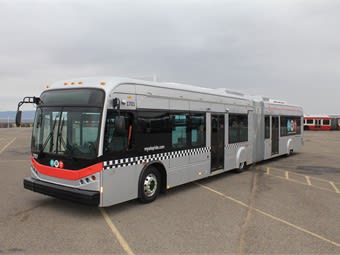
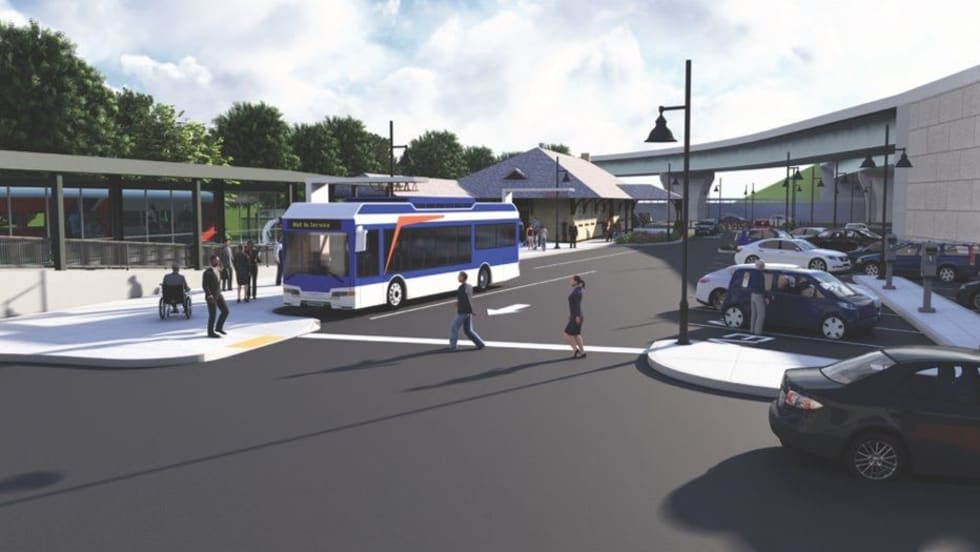
The Federal Transit Administration (FTA) announced a $75 million grant agreement with the City of Albuquerque Transit Department (ABQ Ride) for a new bus rapid transit (BRT) line. The Albuquerque Rapid Transit project will improve the speed and reliability of transit service along Central Avenue, providing connections to the region’s important local employment and activity centers.
“We support Albuquerque’s investment in BRT, which will enhance transit service for thousands of residents and visitors traveling downtown and along this busy corridor,” said FTA Acting Administrator K. Jane Williams.
Ad Loading...
The project is a 17.1-mile BRT line with 8.8 miles of exclusive lanes. The line runs mainly along Central Avenue, which is one of the region’s key east-west corridors and one of the few roads crossing the Rio Grande River. It will serve the University of New Mexico, regional medical facilities, entertainment, shopping, and recreational destinations. Existing bus service in the corridor accounts for about 40% of ABQ Ride’s daily ridership.
FTA has agreed to provide ABQ Ride with $75 million for the Albuquerque Rapid Transit project through FTA’s Capital Investment Grants (CIG) program. Funds will be provided on a reimbursement basis. Construction on the project is complete.
The CIG Program provides funding for transit capital infrastructure investments nationwide. Projects accepted into the program must go through a multi-year, multi-step process according to requirements in law to be eligible for and receive program funds.
Including the ABQ announcement, FTA has signed 11 CIG grant agreements throughout the nation since January 2017, totaling approximately $2 billion in funding commitments.
The beginning of the final BRT segment advances construction across all five segments, reflecting steady progress toward shorter travel times, improved accessibility, and a more dependable connection to jobs, businesses, and community destinations.
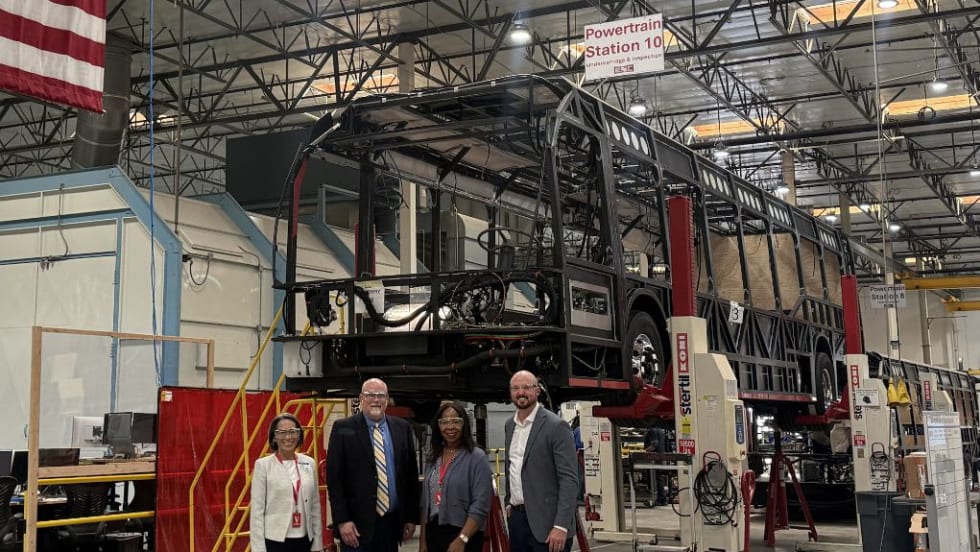
The visit is part of the SF Fed's ongoing engagement with major employers and industries across Southern California and, more broadly, the western U.S. to better understand regional economic conditions and business outlooks.
Advances in data and analytics are giving transit agencies new opportunities to refine maintenance practices, improve efficiency and make more informed decisions about asset performance.
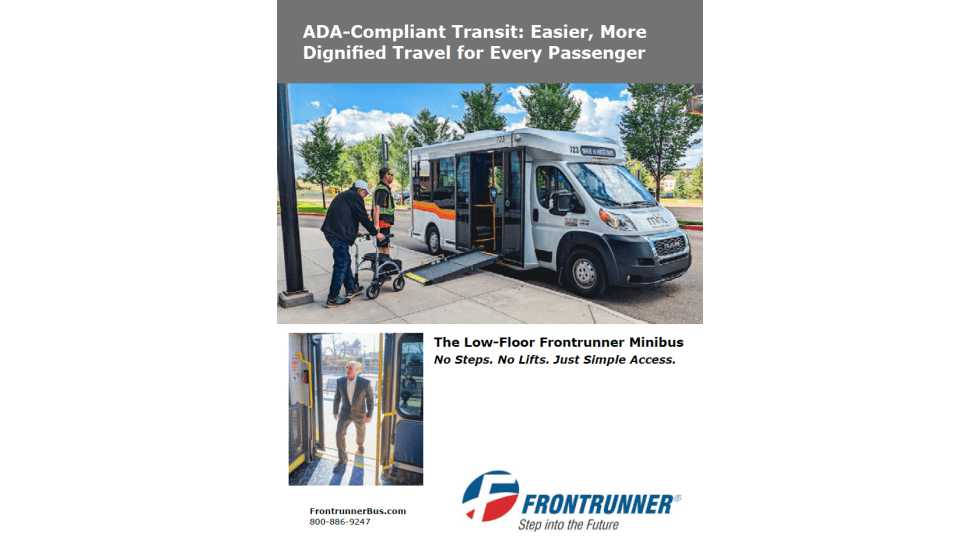
Today’s riders—and the communities you serve—expect more from public transit. While ADA compliance is required, leading transit agencies know that true accessibility also means delivering dignity, efficiency, and a better rider experience. This whitepaper reveals why forward thinking agencies nationwide choose the Low Floor Frontrunner as their first choice for ADA compliant vehicles—setting a new standard with passenger first design, faster boarding, improved safety, and unmatched operational performance.
In Part 2 of a two-part conversation, AC Transit’s director of maintenance joins co-hosts Alex Roman and Mark Hollenbeck to discuss his maintenance team’s work with various types of vehicle, training, augmented reality, and more.
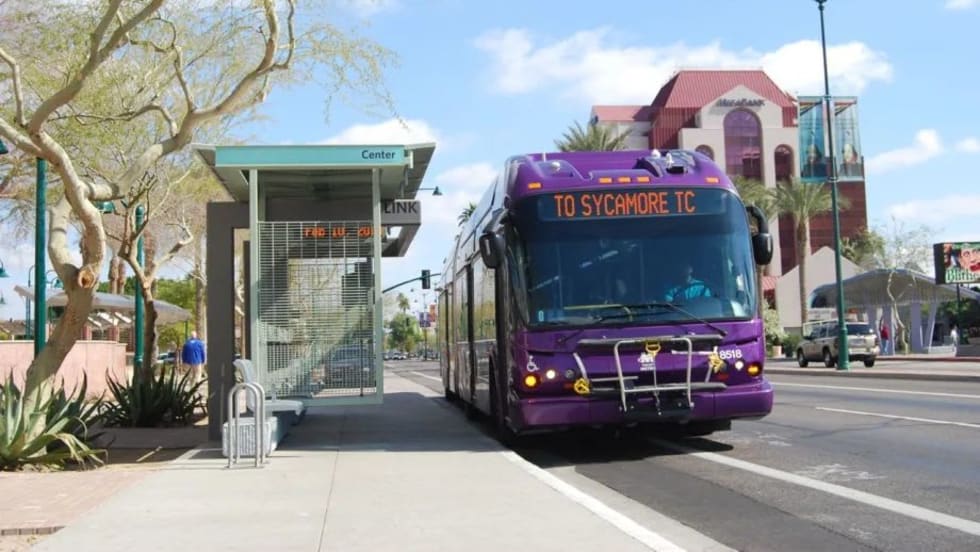
Under this extension, Keolis will continue to manage and operate fixed-route bus service across the East Valley, serving communities including Tempe, Mesa, Chandler, Scottsdale, the town of Gilbert, parts of Phoenix, and the Gila River Indian Community.
The new network reflects extensive input from riders and the community through Reimagine DART on what matters most in public transit — and those priorities are reflected in the changes ahead.