



GRTC's BRT system lauded for accessibility, connectivity
Was also awarded the Bronze Standard by the ITDP, becoming the seventh world-class BRT corridor in the U.S.

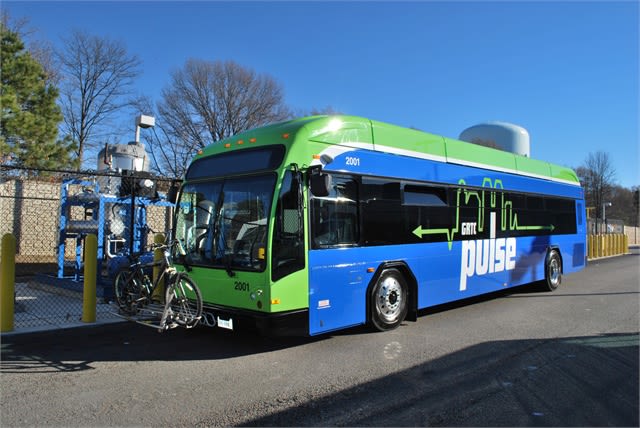
According to the report, today, 12% of all households in the metro area and nearly 50% of households in poverty in Richmond have access to frequent, reliable transit options.
GRTC
According to the report, today, 12% of all households in the metro area and nearly 50% of households in poverty in Richmond have access to frequent, reliable transit options.
GRTC
The Greater Washington Partnership released a new case study, “Richmond’s Transit Revolution: GRTC Ridership and Accessibility Analysis,” which analyzes the historic investments made in 2018 in the Richmond metro area that has transformed the area’s transit system into a national leader.
In 2018, the City of Richmond, Henrico County, the Commonwealth of Virginia, and the Greater Richmond Transit Company (GRTC) revolutionized its transit system with the launch of the Pulse Bus Rapid Transit (BRT) line, a bus redesign in Richmond and historic expansion of service in Henrico County. These changes increased access to transit and jobs, and resulted in a 17% ridership increase from July 2018 to April 2019 compared to the previous year.
According to the report, today, 12% of all households in the metro area and nearly 50% of households in poverty in Richmond have access to frequent, reliable transit options. The average Richmond resident can now access nearly 2,000 more jobs by transit within an hour. In Henrico County, 40% of its households in poverty can now access public transportation, and for the first time, much of that service is now accessible during weekday evenings and weekends.
The Pulse BRT, the backbone of the new transit system and the premier BRT in the Capital Region of Baltimore, Washington, and Richmond, connects Downtown Richmond to Henrico County with fast, frequent, and reliable service. The Pulse was awarded the Bronze Standard by the Institute for Development & Transportation Policy (ITDP), becoming the seventh world-class BRT corridor in the U.S.
The case study was released at an event co-hosted by ChamberRVA and RVA Rapid Transit that brought together regional leaders to highlight Richmond's transportation progress in the past year.
In November, the Greater Washington Partnership released the Blueprint for Regional Mobility, the first-ever CEO-driven strategic mobility plan for the entire Capital Region. Through Richmond’s bold action on transit in 2018, it has a head start on its mobility goals as stated in the Blueprint: faster commutes, better options, and more access.
You may access the full case study on the Partnership's website here.
More Bus

New York MTA Plans Largest Bus Fleet Upgrade in More Than a Decade
The agency is seeking manufacturers for 650 new CNG buses to replace aging vehicles, improve reliability, and advance its broader fleet modernization strategy.
Read More →
Building a Flexible Path to Transit Electrification
John Hroncich discusses BAE Systems’ modular and scalable approach, lessons learned from decades of real-world operations, and how agencies can identify electrification strategies that fit their fleets.
Read More →
Bus Tech Talk: Keeping Transit Technicians Ahead of the Technology Curve
LA Metro’s Obed Mejia discusses technician training, evolving maintenance technology, fleet replacement, and strategies for getting the most out of today’s transit fleets.
Read More →
Biz Briefs: RIPTA Unveils New Frontrunners, Clevland RTA Adds New Siemens, and More
In METRO's latest installment, we take a look at recent news from Siemens, Prevost, Dodge, and more partnerships making headlines across the transportation sector.
Read More →
People Movement: Holly Arnold Joins Transdev and More
In this edition, we also cover recent appointments and announcements at Pace, CamTran, MCI, and more, showcasing the individuals helping to shape the future of transportation.
Read More →
The High Cost of Transit Buses: Industry Leaders Look to Procurement Reform
Transit leaders and policymakers examine how standardized bus designs, streamlined procurement, and predictable funding could help agencies stretch budgets and deliver better service.
Read More →
The Business Voice Behind Public Transportation
As chair of APTA’s Business Members Board of Governors, Ray Melleady explains how more than 850 business members are partnering with transit agencies to advance funding, innovation, and industry-wide collaboration.
Read More →
From Surviving to Thriving: Building Stronger Transportation Organizations
Bus Business Consultants founder Brian Dickson shares lessons on leadership, organizational health, and creating options for long-term success in a changing transportation industry.
Read More →
Finding the ‘Happy Medium’: Optimizing Maintenance Without Sacrificing Reliability
The key to maintenance optimization isn’t doing less work—it’s doing the right work at the right time on the right assets.
Read More →
LA Metro, City of West Hollywood, and Partners Advance Smarter Bus Lane Enforcement
The award-winning partnership combines AI-powered detection with human oversight to improve bus reliability, accessibility, and enforcement efficiency.
Read More →