



Guidance issued for Families First Act to support nation during crisis
Fact Sheet for Employees, Employers, and a Questions and Answers document — addresses critical questions about COVID-19.


Pixabay

The U.S. Department of Labor’s Wage and Hour Division (WHD) announced its first round of published guidance to provide information to employees and employers about how each will be able to take advantage of the protections and relief offered by the Families First Coronavirus Response Act (FFCRA) when it takes effect on April 1, 2020.
FFCRA will help the U.S. combat and defeat COVID-19 by giving all American businesses with fewer than 500 employees funds to provide employees with paid leave, either for the employee’s own health needs or to care for family members. The legislation will ensure that workers are not forced to choose between their paychecks and the public health measures needed to combat the virus while at the same time reimbursing businesses, according to the WHD.
The guidance — provided in a Fact Sheet for Employees, a Fact Sheet for Employers, and a Questions and Answers document — addresses critical questions, such as how an employer must count the number of their employees to determine coverage; how small businesses can obtain an exemption; how to count hours for part-time employees; and how to calculate the wages employees are entitled to under this law.
“Providing information to the American workforce is a top priority for the Wage and Hour Division,” said Administrator Cheryl Stanton. “With so many workers and so many employers struggling to find their way in these trying conditions, providing guidance on a rolling basis will allow workers and businesses to prepare for the law to go into effect on April 1, 2020. We remain committed and are working around the clock to provide the information and tools for employees and employers alike.”
The guidance announced is just the first round of information and compliance assistance to come from WHD. A workplace poster required for most employers will be published later this week, along with additional fact sheets and more Q&A.
WHD provides additional information on common issues employers and employees face when responding to COVID-19, and its effects on wages and hours worked under the Fair Labor Standards Act and job-protected leave under the Family and Medical Leave Act here.
More Management
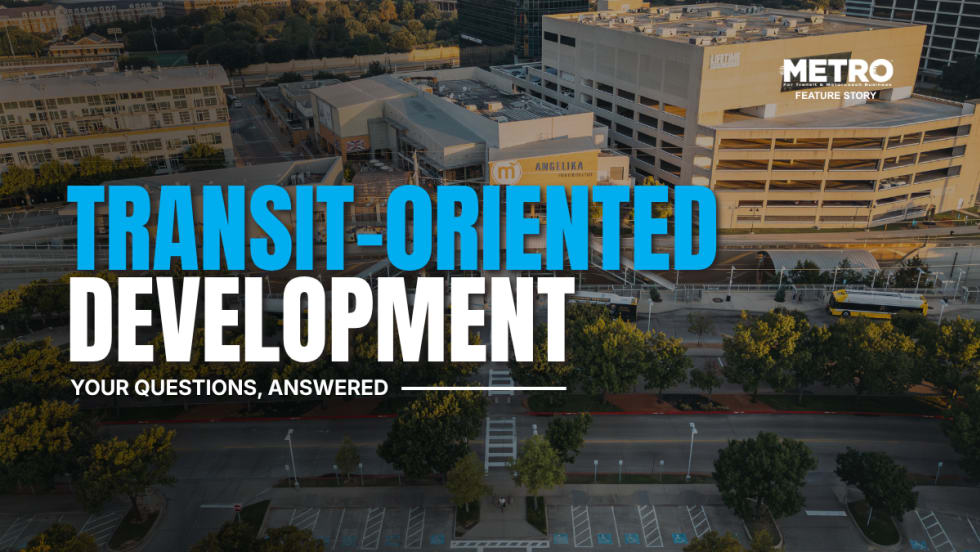
What Transit-Oriented Development Means for the Future of Public Transportation
Once viewed primarily as transit operators, agencies are now leveraging land, partnerships, and long-term planning to boost ridership, expand housing, and strengthen communities.
Read More →
USDOT Announces $22 Million for Transit Innovation, Updates High-Speed Rail Rules
New federal transit funding will support safety, accessibility, and technology projects as updated rail regulations establish new noise standards for high-speed trains.
Read More →
Transportation Construction Coalition Unveils Infrastructure Case Studies Ahead of Federal Funding Deadline
The coalition noted the next surface transportation bill should provide sustained investment in highways and public transit to strengthen freight movement, improve safety, and support economic growth.
Read More →
People Movement: American Bus Association Extends Ferguson and More
METRO’s People Movement highlights the latest leadership changes, promotions, and personnel news across the public transit, motorcoach, and people mobility sectors.
Read More →
METRO Magazine Announces 2026 Innovative Solutions Awards Winners
Projects Recognized for Advancing Mobility Through Technology, Accessibility, Workforce Innovation, and Operational Excellence
Read More →
MBTA Rolls Out Pilot Programs to Cut Costs, Simplify Travel
Three new fare pilots — including unlimited two-hour transfers, reduced express bus fares, and free transit for eligible seniors — will launch this fall as Massachusetts extends popular commuter rail discounts through November.
Read More →
FTA Opens $610 Million Funding Opportunity for Bus Infrastructure Projects
The latest Notice of Funding Opportunity provides transit agencies with funding for bus facilities, fleet modernization, and low- and no-emission vehicles, with applications due September 21.
Read More →
Biz Briefs: STV teams with Amtrak, Motorcoach Operators Boost Fleet and Land Contracts, and More
From manufacturers and suppliers to transit agencies and motorcoach operators, these updates offer a snapshot of the projects, partnerships and business moves driving the industry forward.
Read More →
Massachusetts Approves $530M to Strengthen MBTA Operations, Infrastructure
The funding package targets operating stability, capital improvements, and fare affordability, offering a model for agencies navigating long-term funding challenges.
Read More →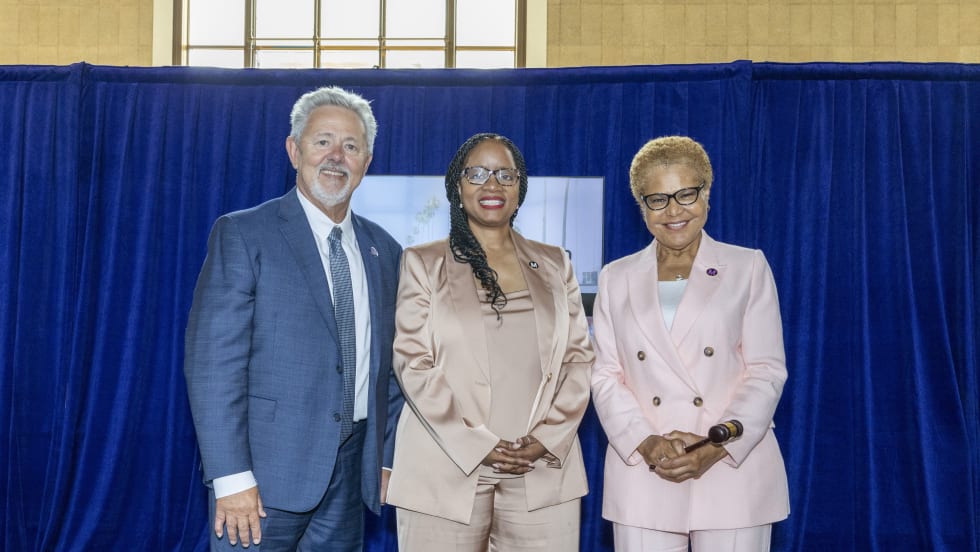
LA Metro Marks Banner Year, Sets Ambitious Goals for New Fiscal Year
Incoming LA Metro Board Chair and Los Angeles Mayor Karen Bass joined outgoing Board Chair Fernando Dutra and LA Metro CEO Stephanie Wiggins to review accomplishments from fiscal year 2026, which included the opening of new rail extensions, advancement of major transit projects, expanded safety programs, and new rider amenities.
Read More →