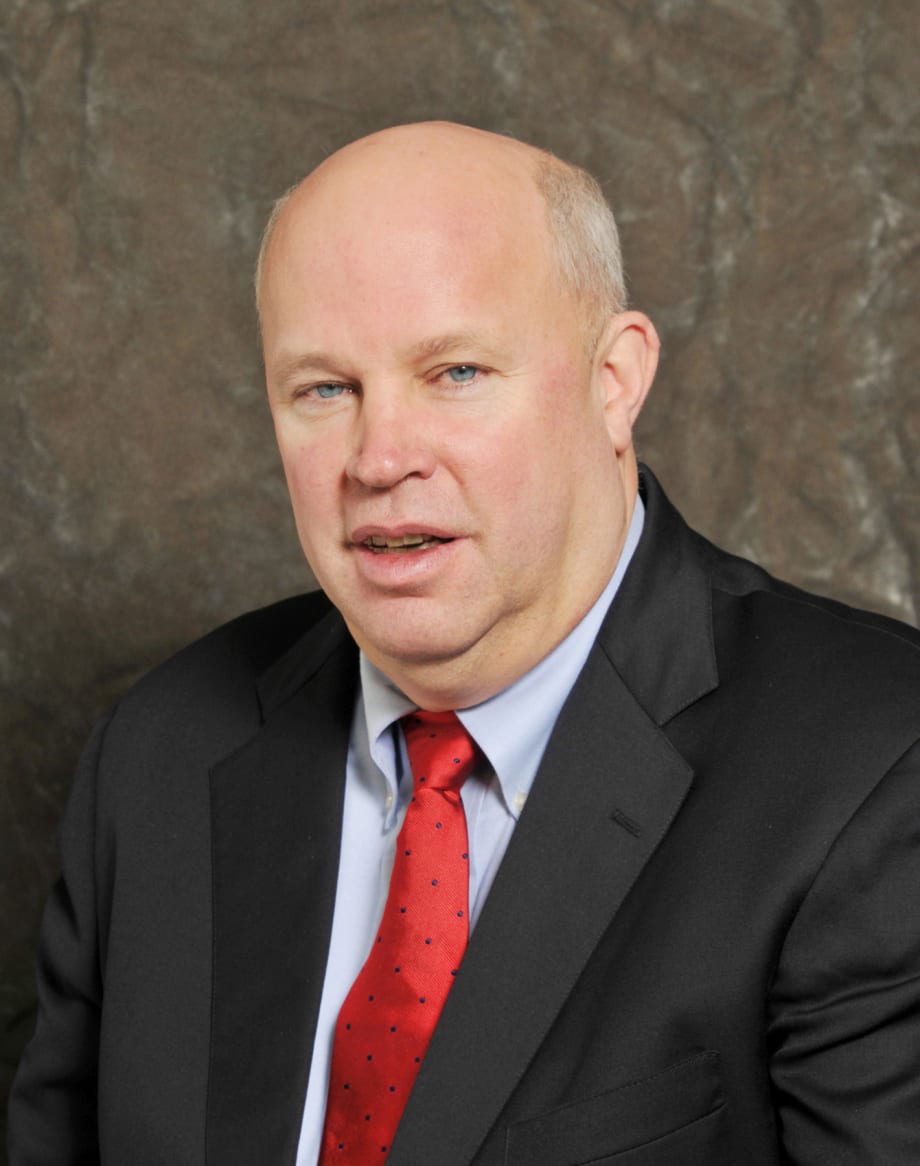
Thomas F. Prendergast, who most recently helmed the largest transportation agency in the country, has joined STV as executive VP and chief strategic officer. In this role, Prendergast will work on strategic projects throughout the firm. He will also be responsible for forging and maintaining relationships with transit agencies across the country and in Canada and serve as principal on major transportation projects undertaken by the firm. He will report directly to Milo Riverso, president /CEO of STV.
“Working in the public sector was an exciting and rewarding 24/7 work experience. Now, I am looking forward to rejoining the private sector, which will enable me to continue to serve the industry while also providing me with the opportunity to once again balance work with my personal life,” said Prendergast.
Ad Loading...
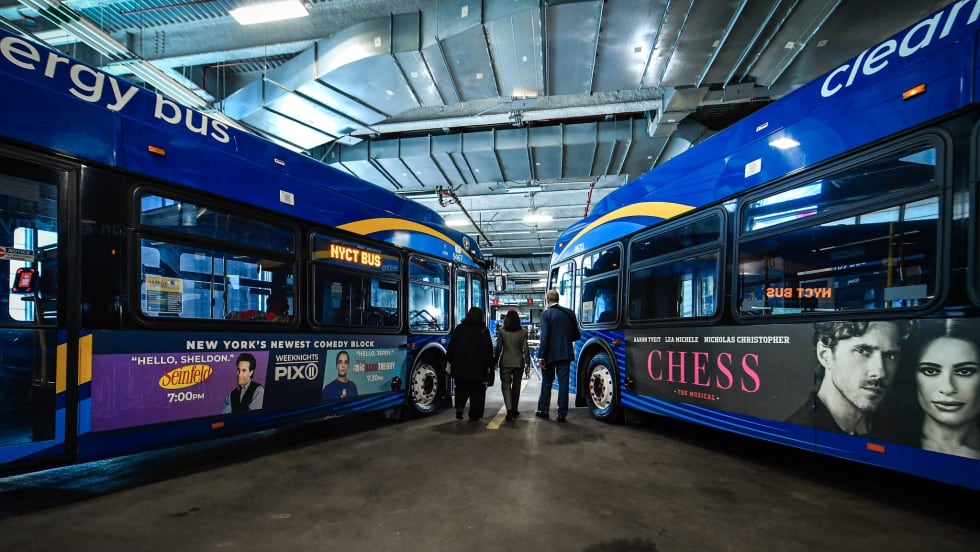
Prendergast recently served as the chairman/CEO of the Metropolitan Transportation Authority (MTA) in New York City. The MTA serves over 8.5 million daily users within a service area of over 5,000 square miles throughout New York City, Long Island, the lower Hudson Valley and the southern portion of Connecticut. With some 68,000 employees, the agency consists of New York City Transit, Long Island Rail Road, Metro-North Railroad, MTA Bus, Bridges and Tunnels as well as the MTA Capital Construction Corp.
In his role as MTA chairman and CEO, Prendergast was responsible for establishing the strategic direction and policy of the agency, as well as implementing the procurement of goods and services that supported the system.
Prior to this experience, Prendergast was the president of MTA New York City Transit. Earlier, he also served as the CEO of the South Coast British Columbia Transportation Authority.
Active in a number of transit industry associations, he is a strong advocate for safety related causes in the industry. He was recently named Railway Age magazine’s 2017 Railroader of the Year.
He received his Bachelor of Science in Socio-Technological Systems Engineering, Urban Transportation Systems from the University of Illinois, and graduated from the Harvard Program for State and Local Government Executives.
METRO’s People Movement highlights the latest leadership changes, promotions, and personnel news across the public transit, motorcoach, and people mobility sectors.
BART began offering select parking lots to non-BART riders to generate new revenue to help address its FY27 $376M operating budget deficit brought on by remote work.
Drawing on decades of industry experience, Evans-Benson offered insights into the differences between the two, along with tips for better customer engagement and more.
The renewals include continued operations at Fort Lauderdale-Hollywood International Airport in Florida; the PRTC in Virginia; and RTC Washoe in Nevada.
The governor’s proposed auto insurance reforms could save the agency $48 million annually by limiting payouts in crashes where buses are not primarily at fault.
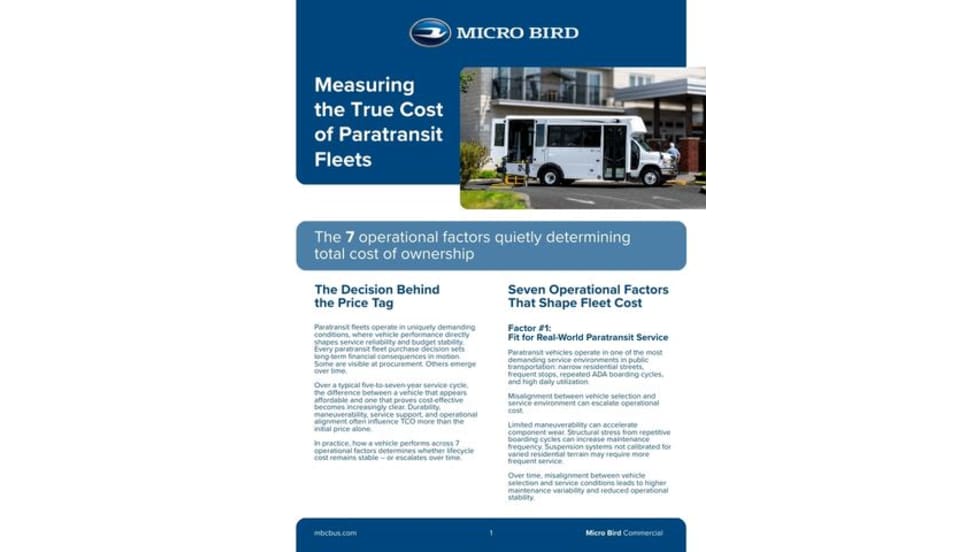
What truly drives the cost of a paratransit fleet? Beyond the purchase price, seven operational factors quietly determine maintenance frequency, downtime, and long-term service reliability. This whitepaper explores how these factors shape lifecycle cost and what agencies should evaluate when selecting paratransit vehicles.
In this conversation, TBC’s Executive Director Ed Redfern, President Corey Aldridge, and Washington Representative Joel Rubin outline the coalition’s key policy priorities, the challenges facing transit agencies, and how industry stakeholders can work together to strengthen the voice of bus transit at the federal level.
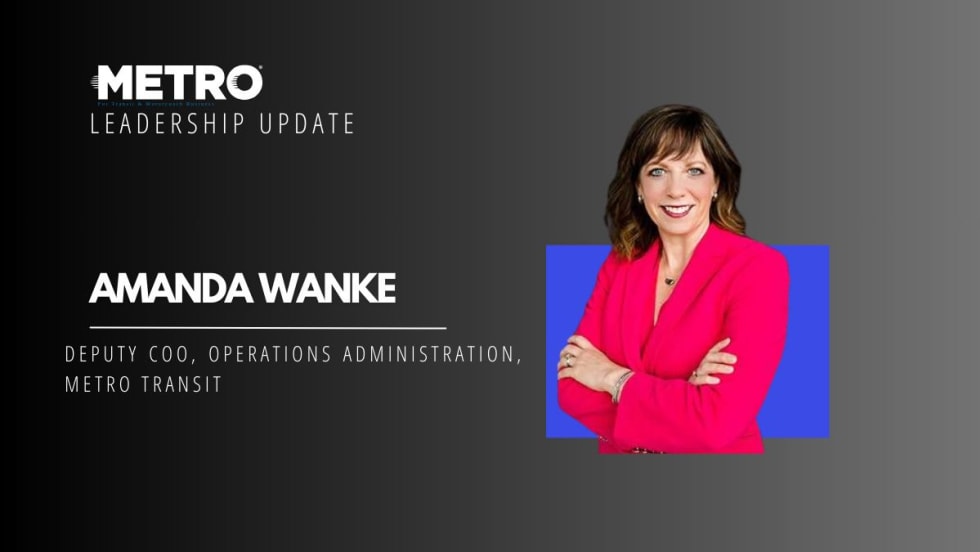
Amanda Wanke, who has worked at DART for 10 years, including the past 2½ years as CEO, will join Metro Transit as deputy chief operating officer, operations administration.