



Chatham Area Transit CEO resigns to accept new transit position
Curtis Koleber has headed up CAT for nearly six years after joining the agency in 2013 as COO/deputy executive director.

Koleber has headed up CAT for nearly six years after joining the agency in 2013 as COO/deputy executive director.
Koleber has headed up CAT for nearly six years after joining the agency in 2013 as COO/deputy executive director.
Chatham Area Transit Authority’s CEO/Executive Director Curtis Koleber has resigned his position and will leave the agency next month. Koleber has accepted a leadership position in public transit in a much larger urban system.
Koleber has headed up CAT for nearly six years after joining the agency in 2013 as COO/deputy executive director. He was promoted to CEO in December 2016 after serving as interim CEO for 12 months.
A few of the accomplishment during Koleber’s tenure include:
CAT receiving a total of more than $19.2 million in competitive grants through the state of Georgia, FHWA, and FTA.
CAT became part of essential conversations within the Georgia General Assembly and other state agencies. This yielded positive results as it relates to the $10.6 million competitive grant award for 18 new 35-foot buses the agency received last year.
CAT launched the Let’s Go! Designing Better Transit Together system redesign initiative that is currently underway.
CAT purchasing 28 new CAT Mobility vehicles with federal grant money after initiating a comprehensive study of its paratransit program.
CAT is also now a well-respected and active member within the American Public Transit Association due to Koleber and his leadership team’s involvement.
In addition, the agency is planning to begin converting its bus fleet into an all-electric bus fleet in the coming years after the Board of Directors approved a resolution in May 2017.
Koleber indicated he is also very proud that he and his leadership team were able to prepare a balanced budget for the board’s approval for the past two years with designated dollars going into a reserve or “rainy-day” fund.
More Management
People Movement: Connectpoint Expands Leadership Team, Stadler Names New Group CEO, and More
In this edition, we also spotlight recent personnel moves at Burns, UZURV, and more, highlighting the people taking on new roles across the transportation industry.
Read More →
More Than a Summer Job: Building the Next Generation of Transit Talent
The Delaware River Port Authority and PATCO have transformed their internship program into a hands-on professional development experience that introduces students to the breadth of transportation careers — and creates a pipeline for future employees.
Read More →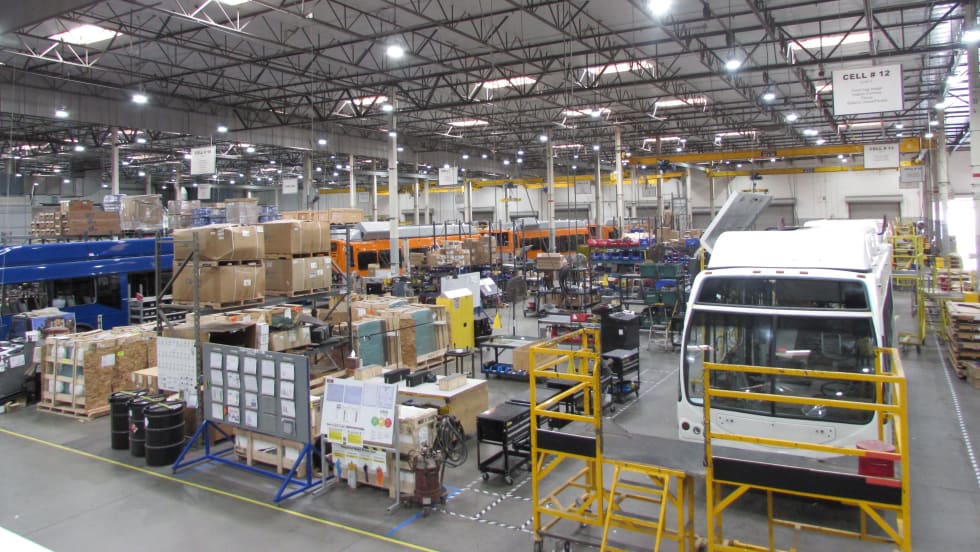
LA Metro Board Awards 220 Battery-Electric Bus Contract to ENC
The contract, which is the largest base award of battery-electric buses by a U.S. transit agency, will be built in Southern California, sustaining good jobs as LA prepares to welcome the world in 2028
Read More →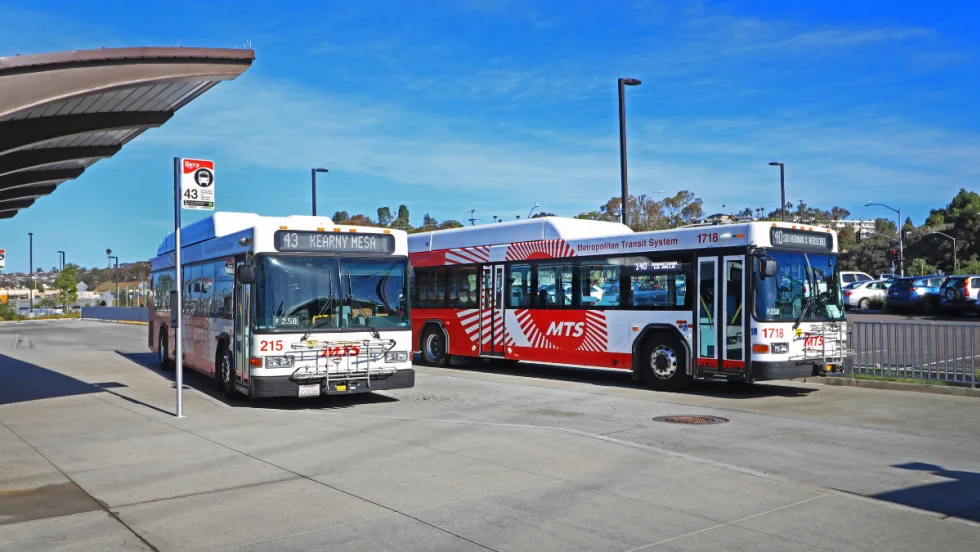
What’s Behind San Diego MTS’s Award-Winning Transit Strategy
Named one of APTA’s 2026 Outstanding Public Transportation Systems with 50 million or more annual passenger trips, California’s San Diego Metropolitan Transit System points to gains in ridership, safety, technology, and reliability as foundations of its success.
Read More →
Public Transit Conference Returning to GFX in 2027, Call for Papers Now Open
The Call for Papers is now open, allowing transit agency professionals and industry experts to help shape the PTC educational program by submitting session ideas for consideration.
Read More →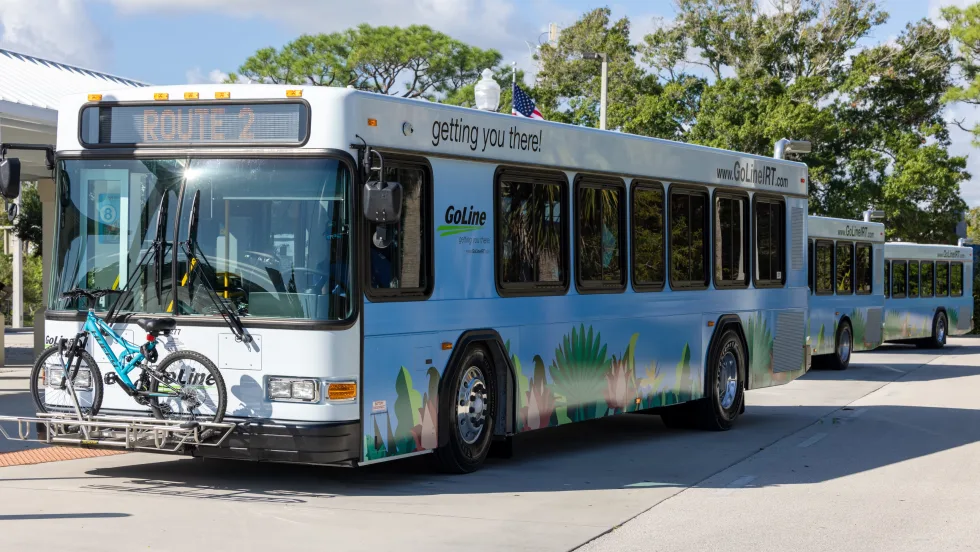
Indian River Transit’s Community-Focused Approach Earns National Recognition
Named APTA’s 2026 Outstanding Public Transportation System in its size category, Florida’s Indian River County transit system continues to grow ridership through fare-free service and a focus on evolving community needs.
Read More →
ENC Lands MATA Contract and More in Biz Briefs
In this edition of Biz Briefs, we spotlight the latest developments shaping the future of mobility.
Read More →
From Surviving to Thriving: Building Stronger Transportation Organizations
Bus Business Consultants founder Brian Dickson shares lessons on leadership, organizational health, and creating options for long-term success in a changing transportation industry.
Read More →
Everett Transit, Community Transit Outline Consolidation Agreement
The proposed agreement calls for a 50% increase in bus service in Everett, a new microtransit zone, continued paratransit service, and the transfer of Everett Transit operations to Community Transit.
Read More →
Strada360’s Steve Lassey on Turning Transit Data Into Better Decisions
From breaking down data silos to preparing for AI, Strada360 CEO Steve Lassey discusses how transit agencies can use technology to improve operations, customer information, and long-term decision-making.
Read More →