




RELATED: NY budget taps congestion-pricing to pay for upgrades
New report encourages cities to consider congestion pricing
This road-user charge system uses a flat or variable rate fee to charge vehicles that drive in a specified area or zone within a city.
August 9, 2019

Image of Stockholm City Hall.
Björn Olin/ mediabank.visitstockholm.com
2 min to read

Image of Stockholm City Hall.
Björn Olin/ mediabank.visitstockholm.com
The National League of Cities (NLC) released a new guide that encourages cities to consider congestion charging systems as a potentially economical solution to build thriving communities, calm traffic and improve quality of life for residents.
Congestion pricing is a type of road-user charge system in which a flat or variable rate fee is charged to vehicles that drive in a specified area or zone within a city. Congestion pricing models can help communities properly price the use of its roadways, which are a finite, in-demand good. These models are built on a basic economic concept: When a public good is in high demand, the price charged to use that good increases to reflect its value and thus, what users are willing to pay to use it. Most of these systems will be used to fund transit and infrastructure.
In the guide,“Making Space: Congestion Charging in Cities,” NLC explores how congestion charging systems can become a practical funding alternative to keep up with the nation’s transportation mobility projects. The report explains how congestion charging works, reviews the different pilot programs, and shows the potential advantages and barriers to implementing pilots in the U.S.
Meanwhile, congestion is a major problem in cities, set to get worse as the population grows and our transit systems continue to depend on cars and ride share applications, and autonomous vehicles begin to roll out. In U.S. cities with populations of 50,000 or more, 91% of residents commute by car. In mid-sized cities it hovers between 86% and 87%, and in large cities, that number drops to 78%. Even among the 15 largest cities, only five have comprehensive transportation systems.
Congestion pricing is a new and emerging framework that doesn’t yet exist in the U.S., although New York City is about to launch a congestion charge.
The report includes case studies from:
• London
• Stockholm
• Singapore
• New York City
NLC’s top legislative priority in 2019 is rebuilding and reimagining America’s infrastructure, the organization stated. The Rebuild With Us campaign has prioritized ways Congress and the administration can work with local leaders in key areas, including transforming U.S. transportation systems, broadband and water infrastructure. NLC is calling on Congress to develop and pass a comprehensive bill that rebuilds and reimagines America’s infrastructure in partnership with local governments.
More Management
Mark Aesch Nominated to Lead Federal Transit Administration
The former Rochester transit chief and TransPro founder, who has also contributed to METRO Magazine, brings decades of industry experience and a focus on performance, accountability, and financial sustainability to the nomination.
Read More →
Best and Worst U.S. Cities for Public Transportation in 2026
A new analysis of 50 major U.S. urban areas ranks public transit systems based on accessibility, affordability, usefulness, and safety, highlighting where transit performs best and where challenges remain.
Read More →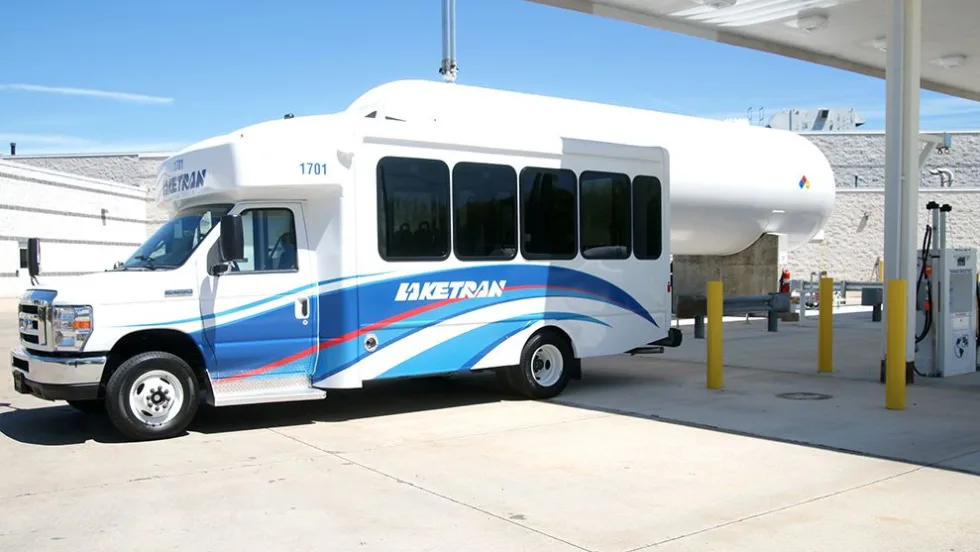
Laketran Cuts Fuel Costs, Boosts Efficiency with Propane-Powered Fleet
The Ohio transit agency is using propane-powered vehicles and on-site fueling infrastructure to cut fuel and maintenance costs while meeting growing demand for paratransit services.
Read More →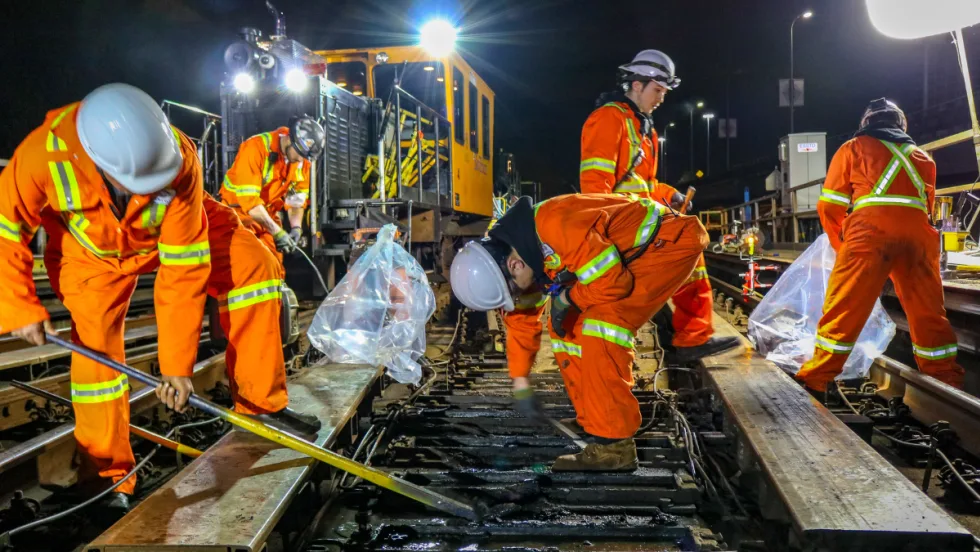
Canada’s Public Transit Supports $65.6 Billion in Annual GDP
New research from the Canadian Chamber of Commerce examines transit's economic contributions, including job creation and the financial implications of transportation investment.
Read More →
Pierce Transit Moves to Expand Fleet Following Proposition 1 Approval
The agency authorized the purchase or refurbishment of up to 60 buses to support a 47% service expansion, as voters nationwide approved billions in new transit funding.
Read More →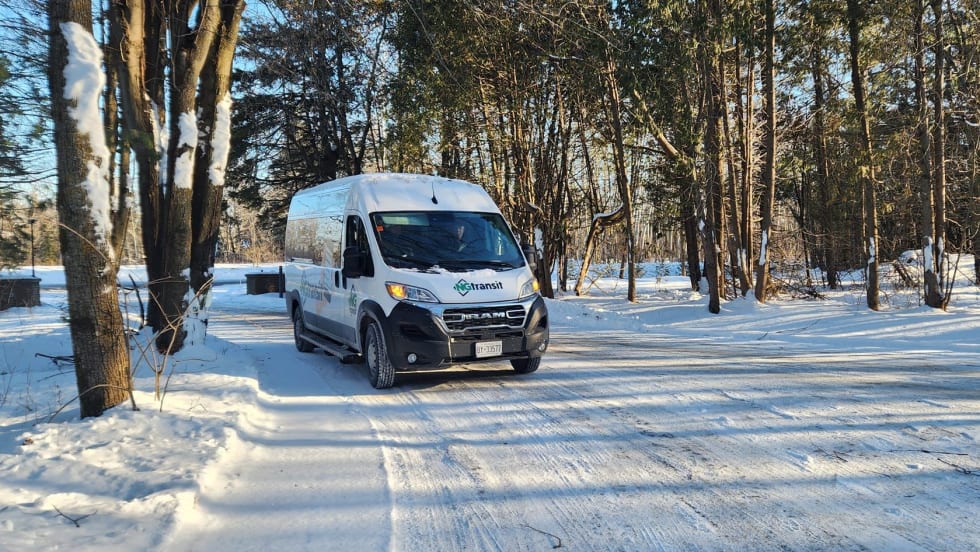
Right-Sizing Rural Transit: Lessons from North Grenville’s On-Demand Model
A small municipality shows how flexible service, rider needs, and public accountability can expand mobility with limited resources.
Read More →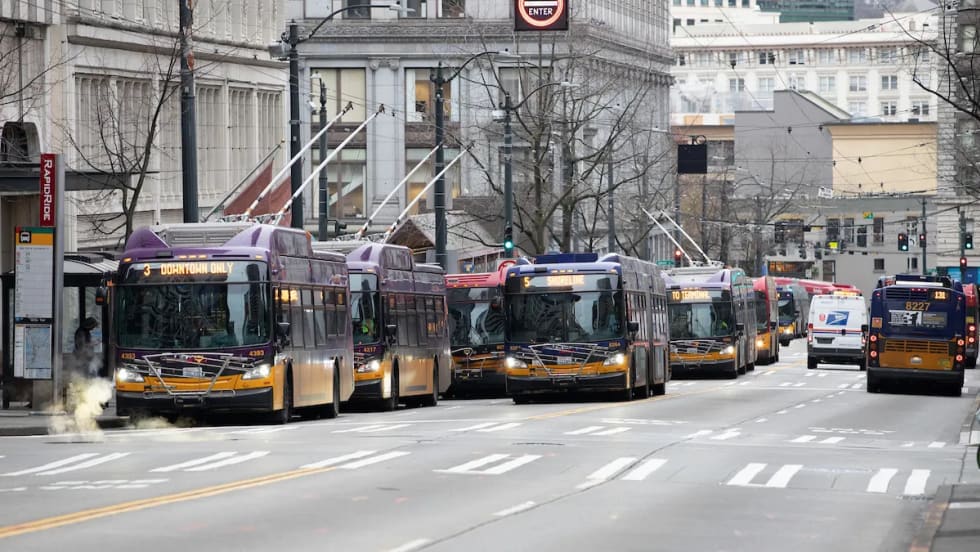
Transit Ballot Victories Signal Strong Voter Support: What Comes Next?
Voters approved billions in public transportation investments in 2026, giving agencies opportunities to preserve service, expand operations, and strengthen regional connections amid a changing political landscape.
Read More →
Transit Expands Agency Partnerships, Reaching 200 Official App Partners
COO Jake Sion discusses Transit’s growth, the success of its Transit Royale program, and how technology is helping agencies improve the rider experience.
Read More →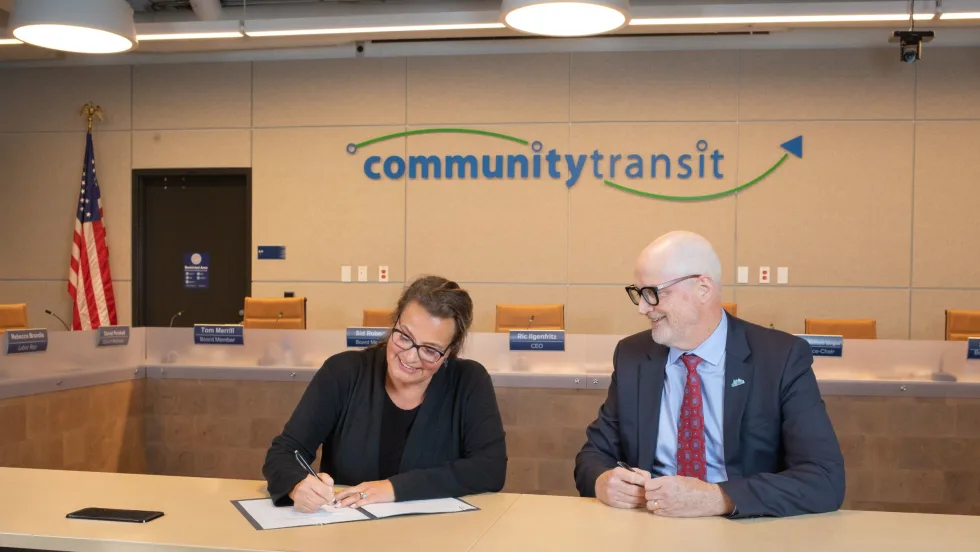
Everett Transit, Community Transit Approve Consolidation of Services
The agreement will bring Everett Transit into Community Transit’s network in April 2027, with plans to increase bus service by 50% by 2031 and expand regional connections.
Read More →
NITA Proposes $5B Operating Budget, $9.7B Capital Program for 2027
The proposed budget includes funding for expanded transit service, safety initiatives, fleet upgrades, and infrastructure improvements across CTA, Metra, and Pace.
Read More →