



NITA Proposes $5B Operating Budget, $9.7B Capital Program for 2027
The proposed budget includes funding for expanded transit service, safety initiatives, fleet upgrades, and infrastructure improvements across CTA, Metra, and Pace.


NITA's proposed 2027 budget includes investments to expand service, improve safety, and modernize infrastructure across CTA, Metra, and Pace, while maintaining fares and improving regional transit connections.
METRO
- NITA has proposed a $5 billion operating budget for 2027 focused on improving transit services.
- A $9.7 billion capital program aims to fund safety initiatives, fleet upgrades, and infrastructure improvements.
- The budget will benefit CTA, Metra, and Pace with enhanced transit capabilities.
*Summarized by AI
The Northern Illinois Transit Authority (NITA) released its proposed 2027 Regional Transit Operating Budget and Five-Year Capital Program for public comment ahead of consideration by the NITA Board in December.
The proposal marks the agency's first budget since beginning operations September 1 to oversee the Chicago Transit Authority (CTA), Metra, and Pace.
The budget outlines $5.04 billion in annual operating expenses for northeastern Illinois' transit system, including $1.3 billion in expected new funding under the NITA Act.
It also includes a $9.73 billion capital program for 2027 through 2031, with investments in vehicles, stations, tracks, bridges, signals, facilities, and technology. The capital program includes $990 million in new funding from the NITA Act, along with federal and state sources.
The proposed budget would create 439 jobs across the regional transit network, which currently employs more than 17,000 people.
“NITA is ready to lead a more connected, more reliable, safer regional transit system, and this budget puts that commitment into action,” said NITA interim Executive Director Jamie Rhee. “We are bringing agencies together, setting regional priorities and holding ourselves and our operating agencies accountable for results that riders, frontline workers and the taxpayers can see and experience.”
Expanding Service, Improving Safety
According to NITA, the proposed operating budget maintains and expands service across CTA, Metra, and Pace while funding additional safety programs and fare integration efforts.
The regional transit system recorded 65 consecutive months of year-over-year ridership growth from April 2021 through August 2026. A June 2026 survey also found that rider satisfaction increased to 80%, compared with 74% a year earlier.
NITA's “What Moves You?” budget survey received 4,368 responses in English and Spanish. Respondents identified more frequent and reliable service as their top priority, followed by improvements in safety, cleaning, and connections between transit services.
Among the proposed service and safety improvements are:
- Expansion of CTA's Frequent Bus Network and the addition of six bus routes to its 24-hour Owl service.
- New Sunday service on select suburban Pace routes.
- Expanded service on Metra's Rock Island Line.
- Funding for the NITA Ride Safe coordinated safety reporting app, scheduled to launch in November 2026, and a Transit Ambassador program planned for summer 2027.
- Additional health and human services support and coordinated law enforcement and social-service responses.
- Establishment of NITA's Office of Transit Safety and Experience.
- A fare gate pilot program aimed at reducing fare evasion.
The budget also proposes no fare increases in 2027, free transfers between CTA and Pace, permanent expansion of the Access Program, streamlined student fares, and new Reduced Fare passes.
Additional funding would support improved signage, real-time arrival and elevator status information, station cleaning, bus shelters, operator facilities, and maintenance.
NITA said the proposed budget identifies $60.1 million in efficiencies, exceeding the amount required under the NITA Act by $13.3 million.
Capital Program Targets Infrastructure, Fleet Modernization
NITA's proposed $9.73 billion Five-Year Capital Program focuses on reducing the region's state-of-good-repair backlog, improving accessibility, upgrading infrastructure, and supporting the transition to zero-emission transportation.
The program includes a new capital funding source established under the NITA Act through a share of interest earned on Illinois' Road Fund and State Construction Account. The source is expected to generate approximately $180 million annually, totaling $990 million over five years.
The program also funds regional signage improvements, enhanced access to suburban bus stops through a partnership with the Chicago Metropolitan Agency for Planning, and bus shelter improvements across the six-county region.
Quick Answers
NITA has proposed a $5 billion operating budget and a $9.7 billion capital program for 2027.
*Summarized by AI
More Management
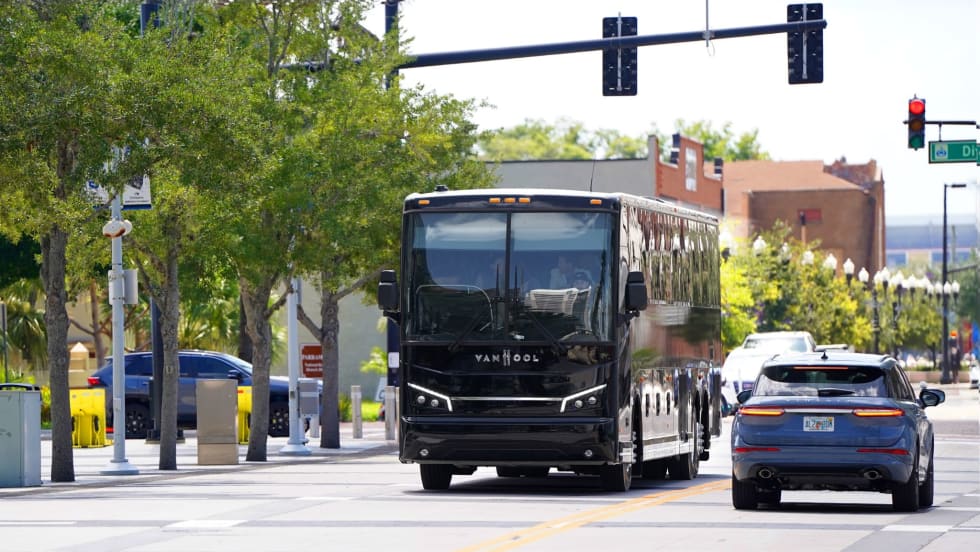
Financing, Fleet Replacement Requires a More Strategic Approach
Executives from ABC Companies and MCI discuss how rising costs, changing market conditions, and post-pandemic challenges are prompting motorcoach operators to rethink financing strategies, fleet replacement cycles, and long-term planning.
Read More →
Bringing Austin’s First Light Rail System to Life
Austin Transit Partnership CEO Greg Canally discusses the city's nearly 10-mile light rail project, its collaborative approach to project delivery, the importance of community engagement, and the milestones ahead as construction approaches in 2027.
Read More →
ETA CEO John Maglio on Transit Technology, Innovation, and Building Agency Trust
ETA founder and CEO John Maglio explores the evolution of transit technology, the importance of reliable systems, and how stronger partnerships can help agencies improve operations and the passenger experience.
Read More →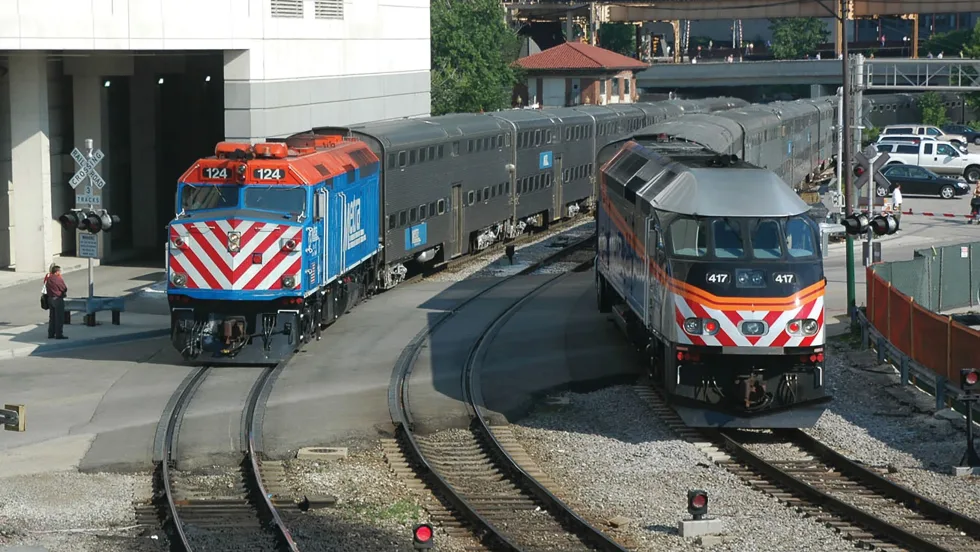
Metra Draft Plan Outlines Costs, Service Improvements for Regional Rail
The Systemwide Network Plan identifies infrastructure needs and potential investments to expand all-day, bidirectional rail service across the Chicago region.
Read More →
New Orleans RTA Names Augustine III as New CEO
In this edition, we also spotlight recent personnel moves at HDR, PATH, STV, and more, highlighting the people taking on new roles across the transportation industry.
Read More →
How Transit Agencies Are Using Free Rides to Improve Voting Access
Transit agencies are using fare-free service, trip-planning tools, and targeted rides to improve voting access. See what other agencies can learn from these efforts.
Read More →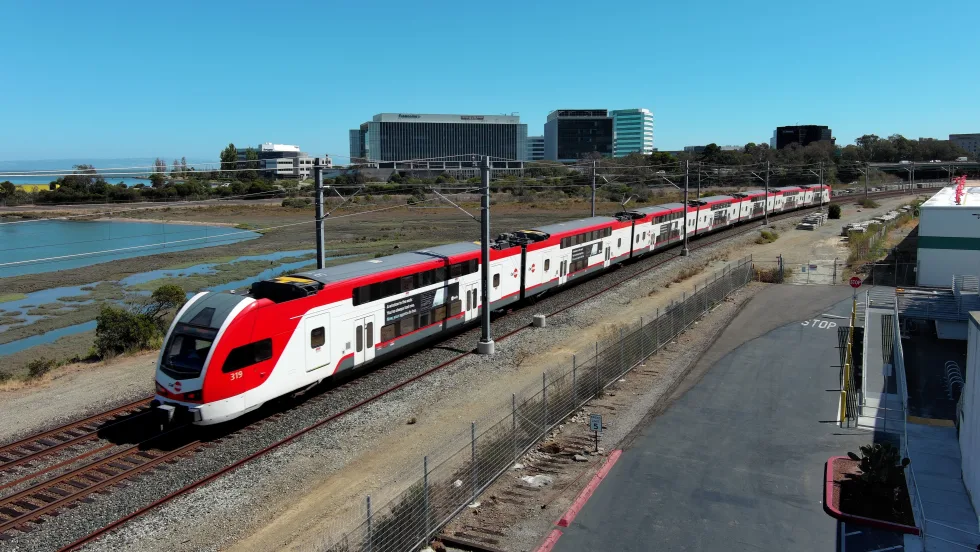
Caltrain’s Electrification Drives a New Era of Ridership Growth
The railroad’s shift to electric service has brought more frequent trains, stronger customer satisfaction, and increased ridership, earning it APTA’s Outstanding Public Transportation System award.
Read More →
Chicago, Charlotte Transit Agencies Expand Rider Support Programs
CTA launched crisis intervention teams as CATS prepares to deploy fare ambassadors, expanding customer assistance and security efforts across both systems.
Read More →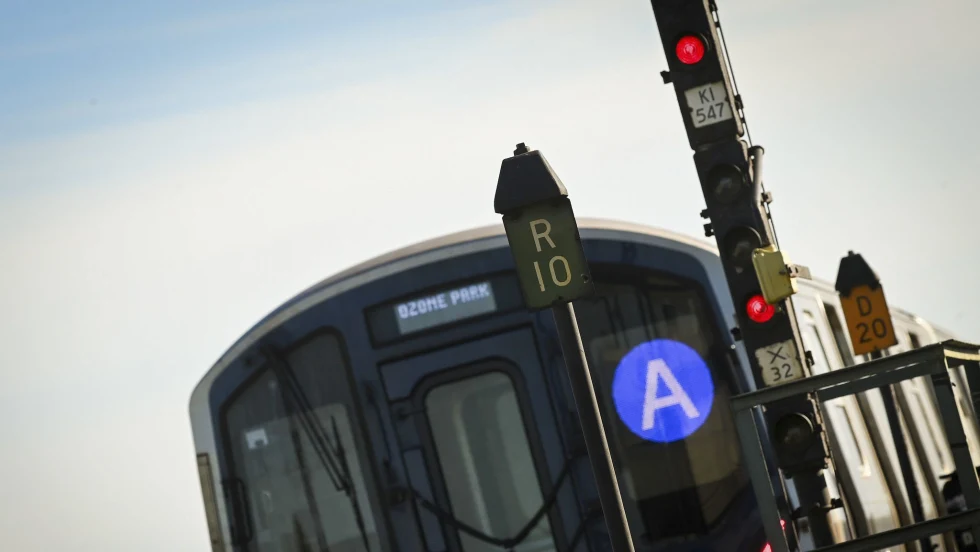
New York MTA Launches Historic $1.9B Signal, Track Modernization Project
Funded in part by congestion pricing revenue, the project will replace nearly century-old signals along the A and C lines in Brooklyn and Queens.
Read More →
Brian Dickson on Building Stronger, More Resilient Transportation Organizations
Bus Business Consultants Founder Brian Dickson discusses the leadership principles, operational discipline, and strategic planning that separate transportation companies positioned for long-term success from those stuck in survival mode.
Read More →