



AC Transit's Board Green Lights 2 Bus Realignment Plans
The combined scenarios received significant feedback from the public.


AC Transit has launched an innovative and user-friendly interactive map that empowers riders to explore the routing of each bus line, hours, and schedules, as well as the frequency of all bus lines.
Photo: NREL
Oakland, Calif.’s Alameda-Contra Costa Transit District (AC Transit) board voted unanimously to advance design and planning for two all-new draft service scenarios that could redefine the future of AC Transit's bus network.
The New AC Transit Scenarios
The first proposal is called the "Balanced Coverage" scenario. Here, the current bus network will remain largely intact, but it will undergo some enhancements to increase the number of riders. These cost-neutral changes prioritize equitable access to hospitals and supermarkets, especially for households that do not own a car. In this design scenario, 20 bus lines are modified to enhance reliability.
In the second scenario called "Frequent Service," the core design principle remains equitable access to jobs, hospitals, and supermarkets. To achieve more frequent bus service, this design involves reducing or eliminating coverage in areas with the lowest ridership and reallocating resources to areas of high demand. As part of this plan, 28 bus lines are modified to enhance reliability.
A third scenario called the "Unconstrained Vision" represents an aspirational proposal, which envisions the bus network's operation supported by new sources of significant funding. This plan introduces on-demand microtransit, or collaboration with transportation network companies, in areas where expanding traditional bus lines may not be feasible. This proposal is challenging due to the ongoing financial constraints induced by post-pandemic revenue losses, funding shortfalls, and bus operator workforce challenges.
Feedback and Process
The combined scenarios received significant feedback from the public. Their concerns covered a range of issues, including doubts about the practicality of implementing bus network changes by summer 2024, potential effects on bus operators, worries that bus line realignment could lead to excessively long routes, and the possibility of cancelation of certain bus lines.
As a result, when the board unanimously voted to move forward with the design and planning, it instructed AC Transit's staff to clarify further and refine the “Balanced Coverage” and “Frequent Service” scenarios, as well as to consider a revised schedule that allows for the broadest inclusion and more feedback from riders and community members.
To do so, AC Transit has launched an innovative and user-friendly interactive map that empowers riders to explore the routing of each bus line, hours, and schedules, as well as the frequency of all bus lines. The interactive maps also provide users with the ability to offer direct feedback on the proposed plans and share easily. The maps are compatible with mobile devices.
The scenarios are the results of public input during two phases of outreach through AC Transit Realign, which is a comprehensive review of our bus network to respond to shifts in riders' travel patterns. Realign has established Equity, Reliability, and Frequency as guiding principles to shape the future transit network.
More Bus

Brian Dickson on Building Stronger, More Resilient Transportation Organizations
Bus Business Consultants Founder Brian Dickson discusses the leadership principles, operational discipline, and strategic planning that separate transportation companies positioned for long-term success from those stuck in survival mode.
Read More →
LA Metro Breaks Ground on Vermont BRT Project
The 12.4-mile corridor is projected to serve 66,200 daily riders, reduce travel times by up to 24%, and create the nation's busiest bus rapid transit corridor.
Read More →
Roman Cornell on ABC Companies’ Evolution and the Future of Passenger Transportation
The company’s CEO discusses carrying forward a third-generation family legacy, ABC’s continued evolution in passenger transportation, support for increasingly complex fleets, and how technology and continued investment could help operators improve uptime.
Read More →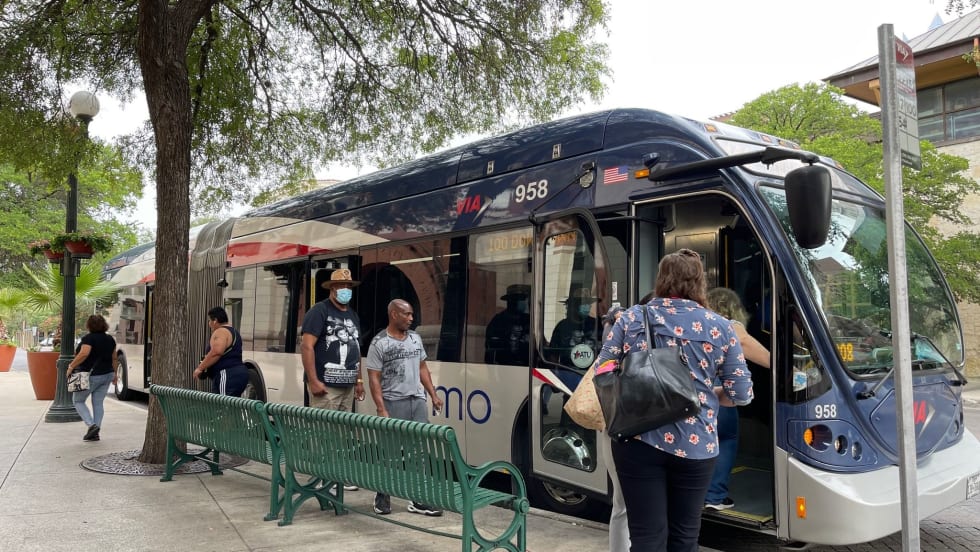
VIA Bus Ridership Grows 10.1% Through August 2026
San Antonio's VIA Metropolitan Transit reported the highest bus ridership growth among major Texas transit systems. Federal Transit Administration data ranked it second among the nation's 50 largest transit systems.
Read More →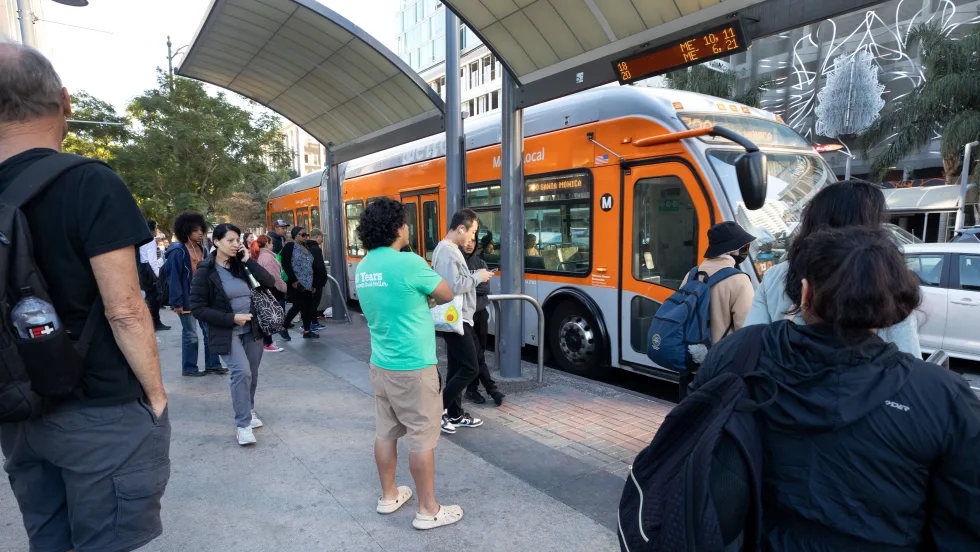
LA Metro September Ridership Climbs 3.9%, Led by Rail Growth
The agency recorded more than 27.2 million boardings, with rail ridership increasing 12.4% year over year and the D Line posting the largest gains.
Read More →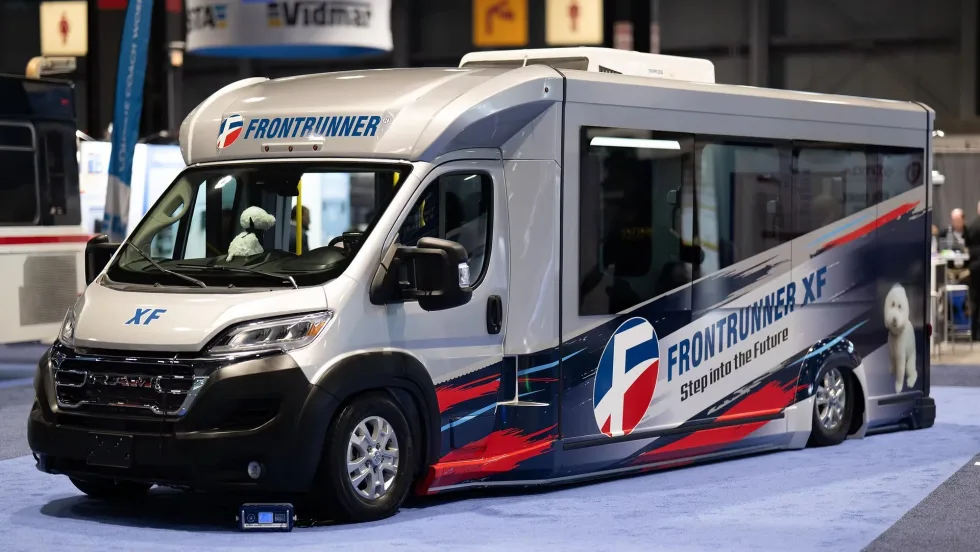
Frontrunner Bus Group Introduces XF Low-Floor Bus with Enhanced Accessibility
The new mid-sized bus features a full flat-floor design, eight-inch curbside step-in height, and zero-entry rear ramp to improve passenger access and operational flexibility.
Read More →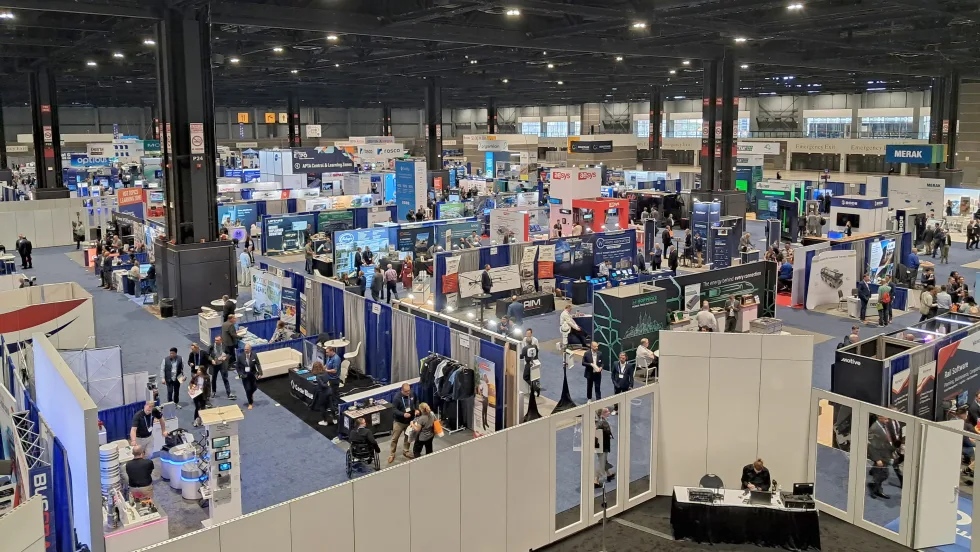
Scenes from APTA TRANSform & EXPO 2026
Transit leaders, manufacturers, and industry professionals gathered in Chicago to explore new technologies, share ideas, and discuss the future of public transportation.
Read More →
More Than a Summer Job: Building the Next Generation of Transit Talent
The Delaware River Port Authority and PATCO have transformed their internship program into a hands-on professional development experience that introduces students to the breadth of transportation careers — and creates a pipeline for future employees.
Read More →
LA Metro Board Awards 220 Battery-Electric Bus Contract to ENC
The contract, which is the largest base award of battery-electric buses by a U.S. transit agency, will be built in Southern California, sustaining good jobs as LA prepares to welcome the world in 2028
Read More →
Public Transit Conference Returning to GFX in 2027, Call for Papers Now Open
The Call for Papers is now open, allowing transit agency professionals and industry experts to help shape the PTC educational program by submitting session ideas for consideration.
Read More →