



APTA: Public transit riders can save $9,656 in 2011
As gas prices rise, and predictions indicate they will continue to increase throughout the year, APTA’s monthly “Transit Savings Report” notes that riding public transportation saves individuals, on average, $9,656 annually, and up to $805 per month based on the Jan. 5, 2011 average national gas price.

The year begins with rising gas prices and predictions they will go even higher as we move further into the new year. These predictions, coupled with the release of The American Public Transportation Association’s (APTA) monthly “Transit Savings Report” highlight the increasing benefits of switching from driving to riding public transportation.
The report notes that riding public transportation saves individuals, on average, $9,656 annually, and up to $805 per month based on the Jan. 5, 2011 average national gas price ($3.08 per gallon-reported by AAA) and the national unreserved monthly parking rate.
Gas prices are at their highest level since October 2008, and $.32 higher than the same time last year providing riders an additional annual savings of more than $400. Riding public transportation is a proven way for individuals to cut monthly and yearly transportation costs, while also reducing their carbon footprint.
APTA releases this monthly “Transit Savings Report” to examine how an individual in a two-person household can save money by taking public transportation and living with one less car.
The national average for a monthly unreserved parking space in a downtown business district is $161.56, according to the 2010 Colliers International Parking Rate Study. Over the course of a year, parking costs for a vehicle can amount to an average of $1,939.
APTA calculates the average cost of taking public transit by determining the average monthly transit pass of local public transit agencies across the country. This information is based on the annual APTA fare collection survey and is weighted based on ridership (unlinked passenger trips). The assumption is that a person making a switch to public transportation would likely purchase an unlimited pass on the local transit agency, typically available on a monthly basis.
APTA then compares the average monthly transit fare to the average cost of driving. The cost of driving is calculated using the 2010 AAA average cost of driving formula. AAA cost of driving formula is based on variable costs and fixed costs. The variable costs include the cost of gas, maintenance and tires. The fixed costs include insurance, license registration, depreciation and finance charges.
The comparison also uses the average mileage of a mid-size auto at 23.4 miles per gallon and the price for self-serve regular unleaded gasoline as recorded by AAA on Jan. 5, 2011 at $3.08 per gallon. The analysis also assumes that a person will drive an average of 15,000 miles per year. The savings assume a person in two-person household lives with one less car.
In determining the cost of parking, APTA uses the data from the 2010 Colliers International Parking Rate Study for monthly unreserved parking rates for the United States.
More Bus

PSTA Modernizes Workforce Management with Digital Bidding System
The award-winning Workforce Transit Modernization project replaced paper bidding with a transparent digital platform, cutting administrative effort while improving access for operators.
Read More →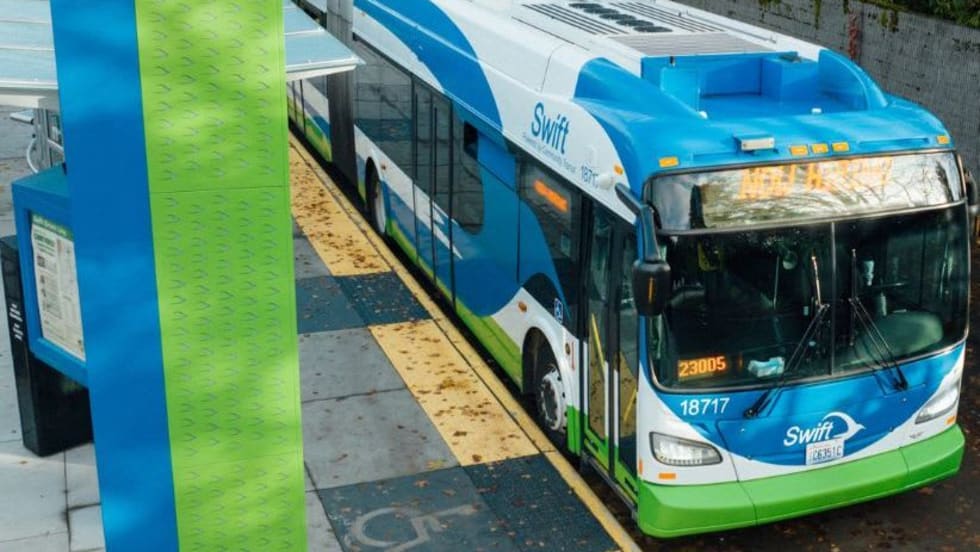
Washington's Community Transit Sets Six-Year Roadmap for Growth, Expansion
Approved TDP targets more bus service, new mobility options, Swift BRT expansion, and a potential Everett Transit annexation.
Read More →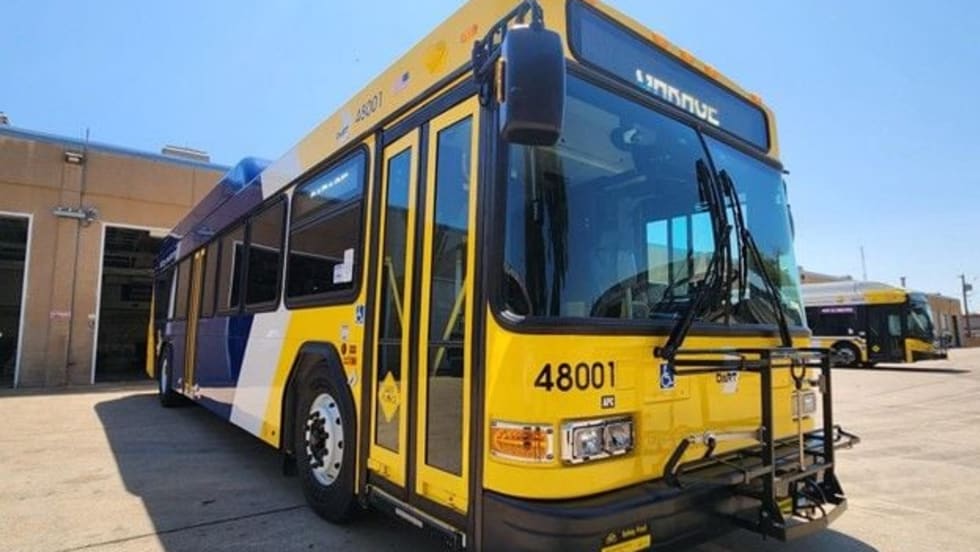
DART Customer Satisfaction Reaches Six-Year High
Overall satisfaction rose to 74.9%, while the agency’s Net Promoter Score reached a record 33.7.
Read More →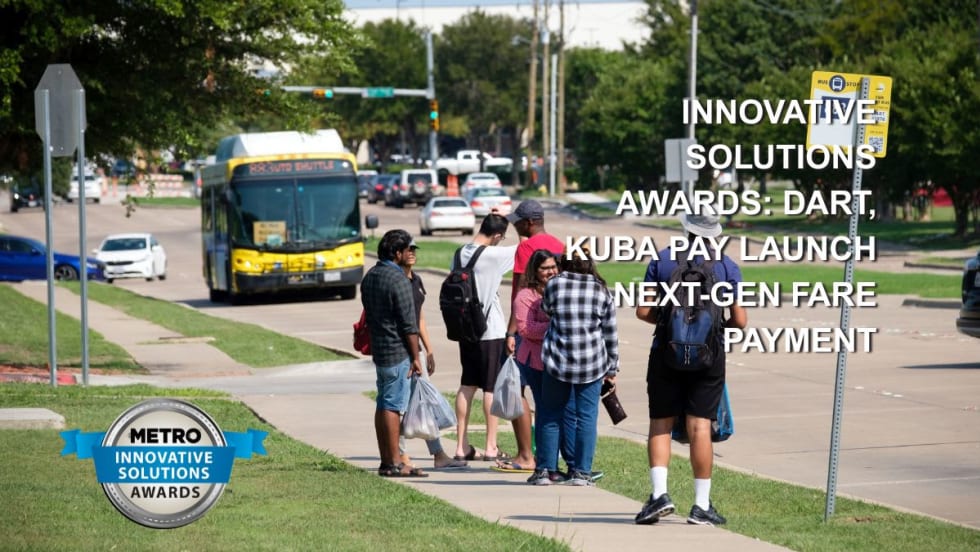
How DART's GoPass Is Redefining Regional Mobility
Serving 14 transit agencies, GoPass simplifies multimodal travel by allowing riders to plan, pay for, and manage an entire trip through one app.
Read More →
Biz Briefs: OCTA Taps Clean Energy for Hydrogen Station, Stadler to Supply Via Rail Vehicles, and More
From manufacturers and suppliers to transit agencies and motorcoach operators, these updates offer a snapshot of the projects, partnerships and business moves driving the industry forward.
Read More →
METRO Magazine Announces 2026 Innovative Solutions Awards Winners
Projects Recognized for Advancing Mobility Through Technology, Accessibility, Workforce Innovation, and Operational Excellence
Read More →
Biz Briefs: STV teams with Amtrak, Motorcoach Operators Boost Fleet and Land Contracts, and More
From manufacturers and suppliers to transit agencies and motorcoach operators, these updates offer a snapshot of the projects, partnerships and business moves driving the industry forward.
Read More →
LA Metro Marks Banner Year, Sets Ambitious Goals for New Fiscal Year
Incoming LA Metro Board Chair and Los Angeles Mayor Karen Bass joined outgoing Board Chair Fernando Dutra and LA Metro CEO Stephanie Wiggins to review accomplishments from fiscal year 2026, which included the opening of new rail extensions, advancement of major transit projects, expanded safety programs, and new rider amenities.
Read More →
DART Taps Nathaniel P. Ford Sr. as Next President/CEO
Since 2012, Ford has served as the CEO of the Jacksonville Transportation Authority
Read More →
AC Transit’s Cecil Blandon on Building the Next Generation of Transit Maintenance Leaders
The agency’s maintenance chief discusses leadership, workforce development, zero-emission technology, and preparing technicians for the future of public transportation.
Read More →